
INDIA: When Grief Bloomed into A Cycle of Care for Women
Sep 16, 2025
story
Seeking
Encouragement
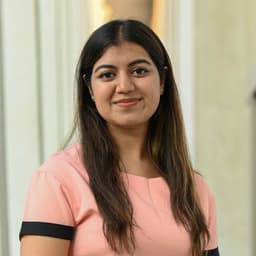
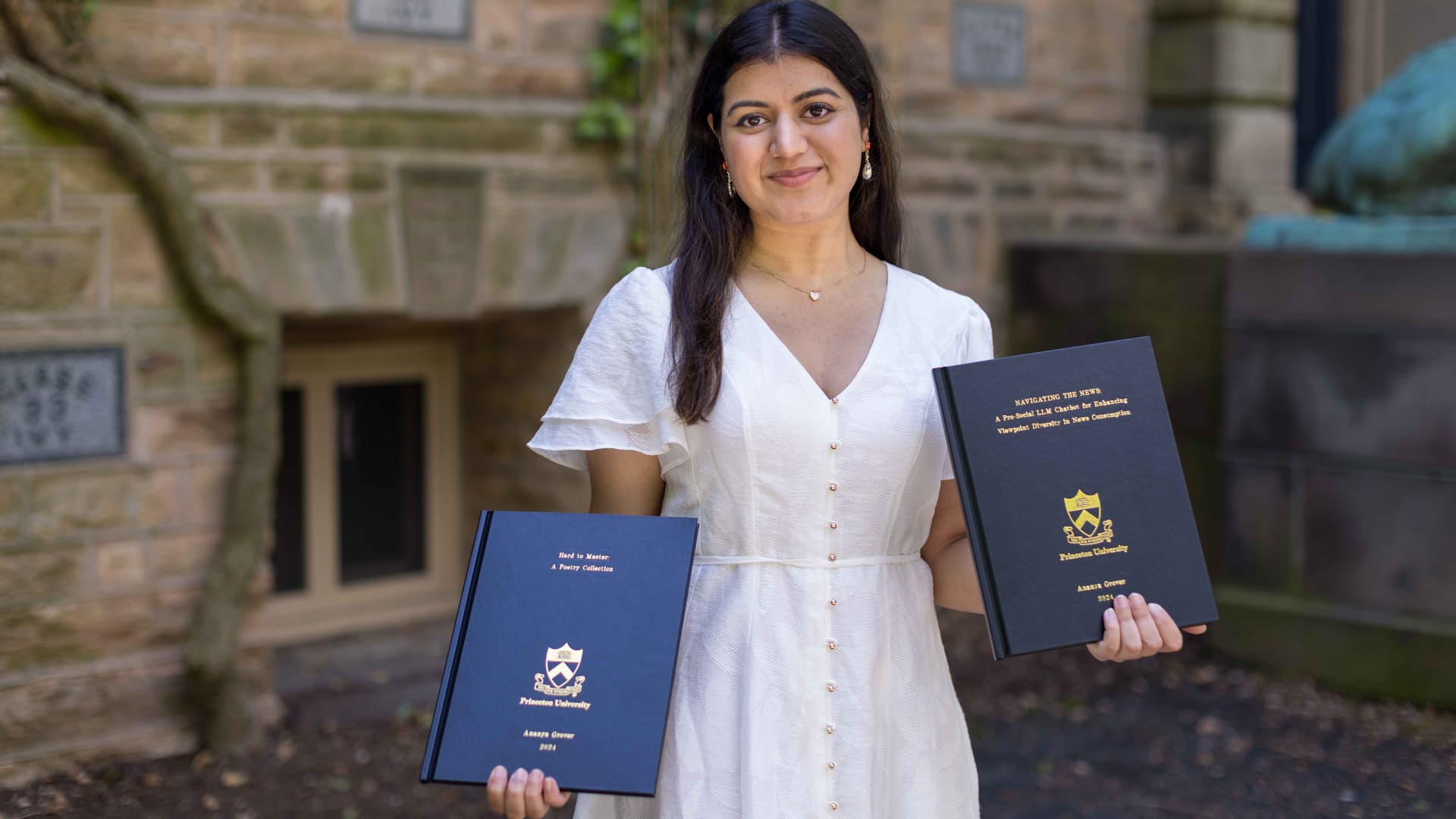
Ananya Grover shares how losing her father taught her that healing happens in community. Drawing on her own journey through grief, therapy, and menstrual health activism, she created HealCycle, an app that supports women’s mind-body health and wellness journeys.
“Self-care is not just a personal act. It's also relational. It's about building spaces where healing can happen in community."
In my final year of college, I lost my father. The grief was quiet but all-consuming. There were no dramatic breakdowns, no outward signs that something in my world had shifted irreversibly. Instead, I kept going — to lectures, research sessions, club meetings, student activities — believing that if I just kept moving, I wouldn’t fall apart.
But eventually, the emotional backlog caught up with me. Pushing through wasn’t the same as healing. I learned, slowly and with difficulty, that care isn’t just something we offer to others — it’s something we have to learn to extend to ourselves.
That realization didn’t come suddenly. It unfolded quietly, in the loneliness of my dorm room, in the weight that wouldn’t lift no matter how many things I achieved.
Eventually, I went to see a therapist and joined a grief support group offered through my college’s counseling center. These spaces became lifelines.
In them, I met others who had experienced similar losses — students who were grieving parents, siblings, friends.
I realized I wasn’t alone.
We cried together, sat in silence together, sometimes even laughed through our tears. Our pain spoke a language we all intuitively understood.
Self-care, I learned, is not just a personal act. It’s also relational. It’s about building spaces where healing can happen in a community where we can show up not just as achievers or performers, but as whole, hurting, healing people.
Somewhere between holding everything together and beginning to let go, I began conceiving the idea for HealCycle, a women’s menstrual and mental wellness app.
At first, it was simply a way to stay afloat, to channel my energy into something meaningful, but the more I worked on it, the more I realized that this was deeply connected to my healing process.
HealCycle began as a response to the needs I saw in myself and in the women around me.
I’d long been involved with menstrual equity work, starting with a social campaign “Pravahkriti” in High School in India, which led to a TED Talk spreading the message of period positivity. But now, I saw the emotional and physical toll of hormonal imbalances and premenstrual disorders, especially when they overlapped with grief, stress, and the pressure to perform. I also saw how often women, especially married women and mothers, put their own health last, minimizing pain, delaying rest, and carrying on silently.
The more I talked to other women — friends, classmates, and strangers — the more I realized how widespread this pattern was. So many of us were suffering quietly, adjusting our lives around symptoms like PMDD (premenstrual dysphoric disorder), PCOS (polycystic ovary syndrome), chronic fatigue, and mental health struggles, without ever feeling like we had the language or support to fully address them. We were functioning, but not flourishing.
HealCycle became my way of imagining what care could look like for women like us — for people trying to balance pain with purpose, for those who don’t always have the words to ask for help, but still desperately need support. The platform is built on a simple but radical idea: that women’s health deserves to be taken seriously. That our cycles — hormonal, emotional, energetic — are not inconveniences to be suppressed, but vital rhythms that can guide us toward deeper well-being if we’re willing to listen.
We’ve designed HealCycle to be cycle-aware, shame-free, and accessible, a space where women can track not just periods, but patterns of energy, mood, sleep, and stress.
Where they can find resources, stories, and support tailored to the lived realities of menstrual and mental wellness.
Where self-care is not a luxury, but a daily, doable practice.
Over time, building HealCycle has helped me heal in ways I didn’t expect. It has reminded me that care is not a one-time intervention, but a practice. A discipline. An orientation toward ourselves and others that says: you matter. Your needs matter. Your pain is valid, and you don’t have to go through it alone.
I’m still learning how to pause.
To rest.
To let care in, and to give it.
Sometimes that means saying no to new projects or stepping away from my screen.
Sometimes it means naming what I feel without trying to fix it right away.
It’s not always easy, especially as a young woman founder trying to build a startup in the health and wellness space. But I bring that same mindset of honesty, slowness, and self-compassion to my work with HealCycle.
Ultimately, both my personal and professional journeys have taught me that caring for our bodies and minds shouldn’t be an afterthought.
That rest and resilience aren’t opposing forces, but deeply intertwined.
And that healing, real healing, happens when we come together and hold space for one another.
But this can’t just be my story — it has to be ours. Each of us has a role to play in reshaping how we approach care. That might look like:
Checking in with the people in your life, not just when they’re visibly struggling, but in the quiet, invisible moments when they may be carrying more than they say.
Normalizing conversations about cycles, hormones, and mental health so they’re not tucked away in shame or silence.
Making rest legitimate — in our families, workplaces, and schools — by modeling it ourselves and affirming it in others.
Creating and supporting spaces — whether it’s an app and community like HealCycle, support groups, or even circles of friends — where people can show up as their whole selves, without pressure to perform.
If we can begin to do these small things consistently and together, we can start to transform how care is practiced and shared.
Because healing isn’t an individual achievement, but a collective act: it begins with the everyday ways we show up for ourselves and for each other.
Care, after all, is not just something we give or receive, but something we cultivate together — one cycle, one breath, one honest conversation at a time.
STORY AWARDS
This story was published as part of World Pulse's Story Awards program. We believe every woman has a story to share, and that the world will be a better place when women are heard.
- Technology
- Becoming Me
- Featured Stories
- Global