
International Mother Language Day: A Legacy of courage
Feb 21, 2025
story
Seeking
Encouragement


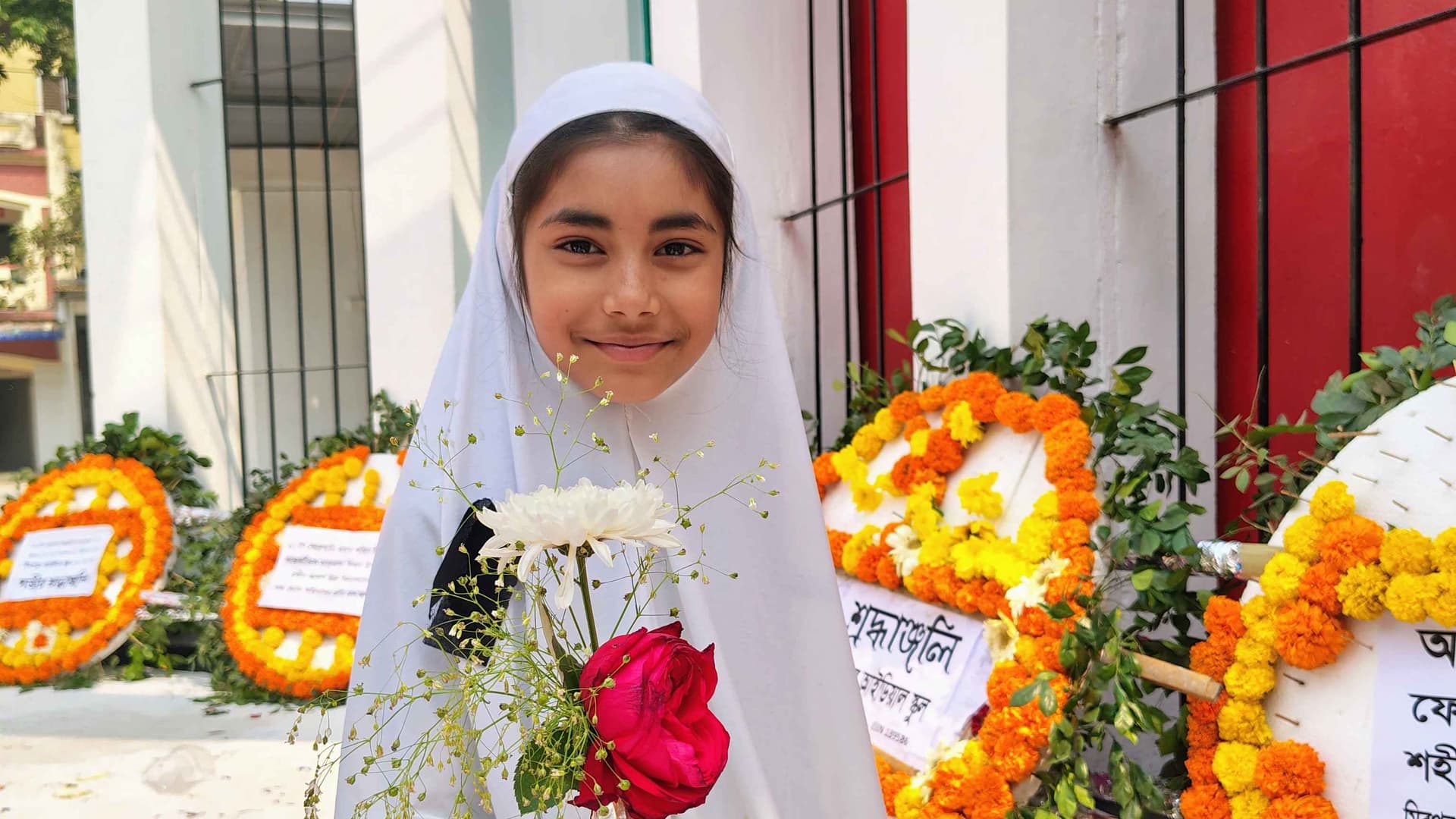
Photo Credit: Mosfeka zannat
International Mother language day
International Mother Language Day: A Legacy of Courage and the Right to Speak One’s Own Tongue
Language is more than just a tool for communication—it is a reflection of identity, culture, and heritage. As Bangladeshis, we take immense pride in our history, for we are the only nation that has shed blood to uphold the right to speak our mother tongue. The significance of International Mother Language Day, observed on February 21st, is rooted in our struggle, but its message is universal: every individual has the right to speak, learn, and express themselves in their mother language.
The History of February 21st
The origins of International Mother Language Day date back to 1952, when the people of Bangladesh (then East Pakistan) fought against the imposition of Urdu as the sole state language. On February 21, 1952, students from the University of Dhaka and other institutions took to the streets in protest, demanding recognition of Bangla as an official language. Tragically, police opened fire on the demonstrators, killing several young students, including Salam, Rafiq, Barkat, Jabbar, and many others. Their sacrifice ultimately led to the recognition of Bangla as one of the official languages of Pakistan in 1956, and later, it became the foundation for Bangladesh’s independence in 1971.
Recognizing the significance of this sacrifice, UNESCO declared February 21st as International Mother Language Day in 1999, reinforcing the global importance of linguistic diversity and cultural preservation.
The Right to Speak One’s Language
The right to communicate in one’s native language is fundamental. It is not just about linguistic expression—it is about dignity, representation, and cultural survival. Many indigenous and minority languages around the world are disappearing due to oppression, globalization, and lack of institutional support. When a language dies, an entire way of understanding the world vanishes with it.
Every individual has the right to speak their mother tongue without fear. Language is a part of our identity, and protecting it means protecting human rights. Governments and societies must ensure that education, media, and public life embrace linguistic diversity rather than suppress it.
A Global Call to Action
International Mother Language Day serves as a reminder that linguistic diversity should be celebrated, not erased. We must advocate for inclusive policies that protect endangered languages, support multilingual education, and respect cultural heritage. As global citizens, we should stand in solidarity with those fighting to preserve their languages, just as Bangladeshis did in 1952.
On this day, let us reaffirm our commitment to linguistic rights and cultural freedom. Let us remember that the right to speak one’s mother tongue is not just a privilege—it is a fundamental human rights.
- Peace & Security
- Arts & Culture
- Stronger Together
- Our Impact
- Moments of Hope
- South and Central Asia