
Intersectionality: The Lens That Shaped My Work
Feb 1, 2025
story
Seeking
Visibility
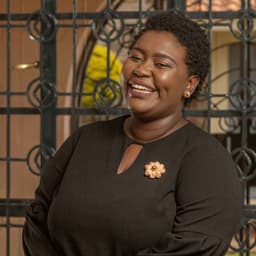
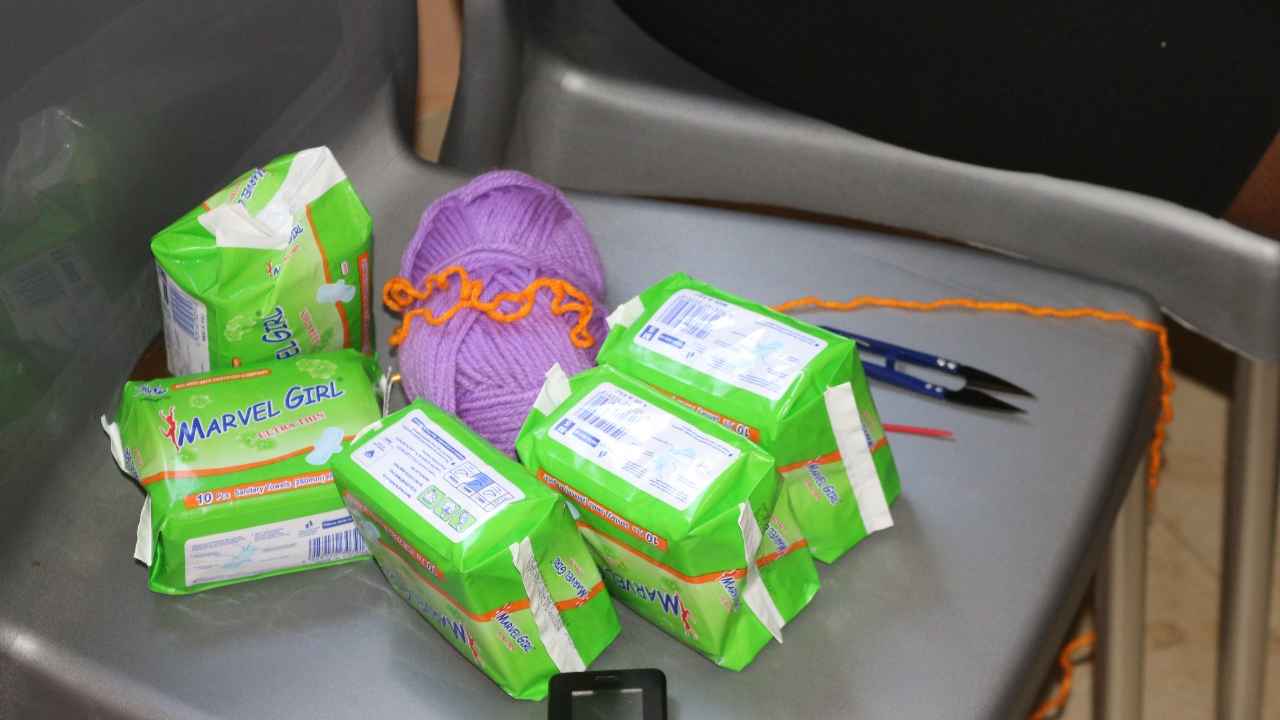
Photo Credit: Sally Ndwiga
When I was ten years old, I got my first period. I had no idea what was happening to my body because no one had ever spoken to me about menstruation. My family avoided the topic, leaving me unprepared for this new phase of life. Instead, my teacher became my community. On the second day of my period, I gathered the courage to ask my math teacher, Teacher John, for permission to go to the bathroom. What followed changed my life forever.
He didn’t simply grant me permission. Instead, he demanded that I prove to him—and the entire class—that I was actually on my period. In front of my classmates, I was forced to confirm something deeply personal and natural, turning what should have been a moment of care into one of humiliation. The shame and embarrassment that followed made me loathe being a menstruating girl. I hated school. I hated my body. That day, I ran away from school and never wanted to return.
But my story is not unique. Across the world, girls and women are shamed, stigmatized, and even exploited for something as natural as menstruation. In many cases, girls are forced into transactional relationships, offering sexual favours in exchange for basic menstrual products. This painful reality fuelled my decision to found The Femiscope Initiative, a woman- and youth-led CBO in the heart of Githurai 44, Nairobi. My goal? To bridge gender inequality gaps by educating communities on Sexual and Reproductive Health and Rights (SRHR) and ensuring that no girl ever feels the need to be exploited just to manage her period.
Through The Femiscope Initiative, I have dedicated my time and energy to educating young girls, parents, and teachers about menstruation and reproductive health. We have distributed thousands of pads and menstrual cups, reaching over 1,500 girls in 2024 alone. So far, we’ve donated more than 1,200 pads, and we are committed to doubling that number in 2025. But while providing menstrual products is a critical step, it is just scratching the surface. To truly make a difference, we must adopt an intersectional approach.
What is Intersectionality, and Why Does It Matter?
Intersectionality is a term coined by Kimberlé Crenshaw, a Black feminist scholar, to describe how different aspects of a person’s identity—such as gender, race, class, and disability—intersect to create unique experiences of oppression or privilege. For girls like me, menstruation was not just a biological event; it became a site of discrimination. Had I been a boy, would my teacher have asked me to prove that I was experiencing something private before granting me permission to use the bathroom? Would my classmates have laughed and whispered behind my back? Likely not.
This is why intersectionality matters in my work. It allows me to see the multiple, overlapping challenges that girls face—not just menstruation stigma, but also poverty, education inequality, and gender-based violence. Through this lens, I extend my advocacy beyond just providing menstrual products. I train teachers on how to create safe spaces for menstruating girls. I educate parents on how to discuss periods without shame. I challenge outdated norms that view natural bodily functions as taboo.
The Power of Intersectionality in Community Work
Intersectionality is more than a theory—it is a tool for liberation. It helps us recognize that girls are not just “girls.” They are individuals with unique identities and struggles. Some are living with disabilities. Some are refugees. Some face extreme poverty. And each of these factors shapes how they experience gender inequality.
By embracing intersectionality, I have been able to tailor my approach to meet the unique needs of each girl I serve. It has allowed me to see menstrual health not just as a women’s issue but as a social justice issue that affects entire communities. This approach has strengthened my resolve to fight for a world where no girl is humiliated for something as natural as her period, where no girl is forced to trade her dignity for a pad, and where no girl has to run away from school like I once did.
A Call to Action
The fight is far from over. But if my story has taught me anything, it is that change is possible. By educating communities, challenging harmful norms, and embracing an intersectional lens, we can create a world where every girl feels safe, empowered, and dignified—no matter her background.
At The Femiscope Initiative, we are just getting started. We have committed to doubling our impact this year, and we invite you to join us. Whether it is through donating, educating, or simply listening to the stories of girls like me, your support matters.
Together, we can ensure that no girl is ever forced to prove her pain just to be treated with dignity.
- Human Rights
- Girl Power
- Education
- Gender-based Violence
- Survivor Stories
- Sexual and Reproductive Rights
- Global