
John Stuart Mill, Harriet Taylor and the subjugation of women.
Oct 9, 2025
story
Seeking
Action


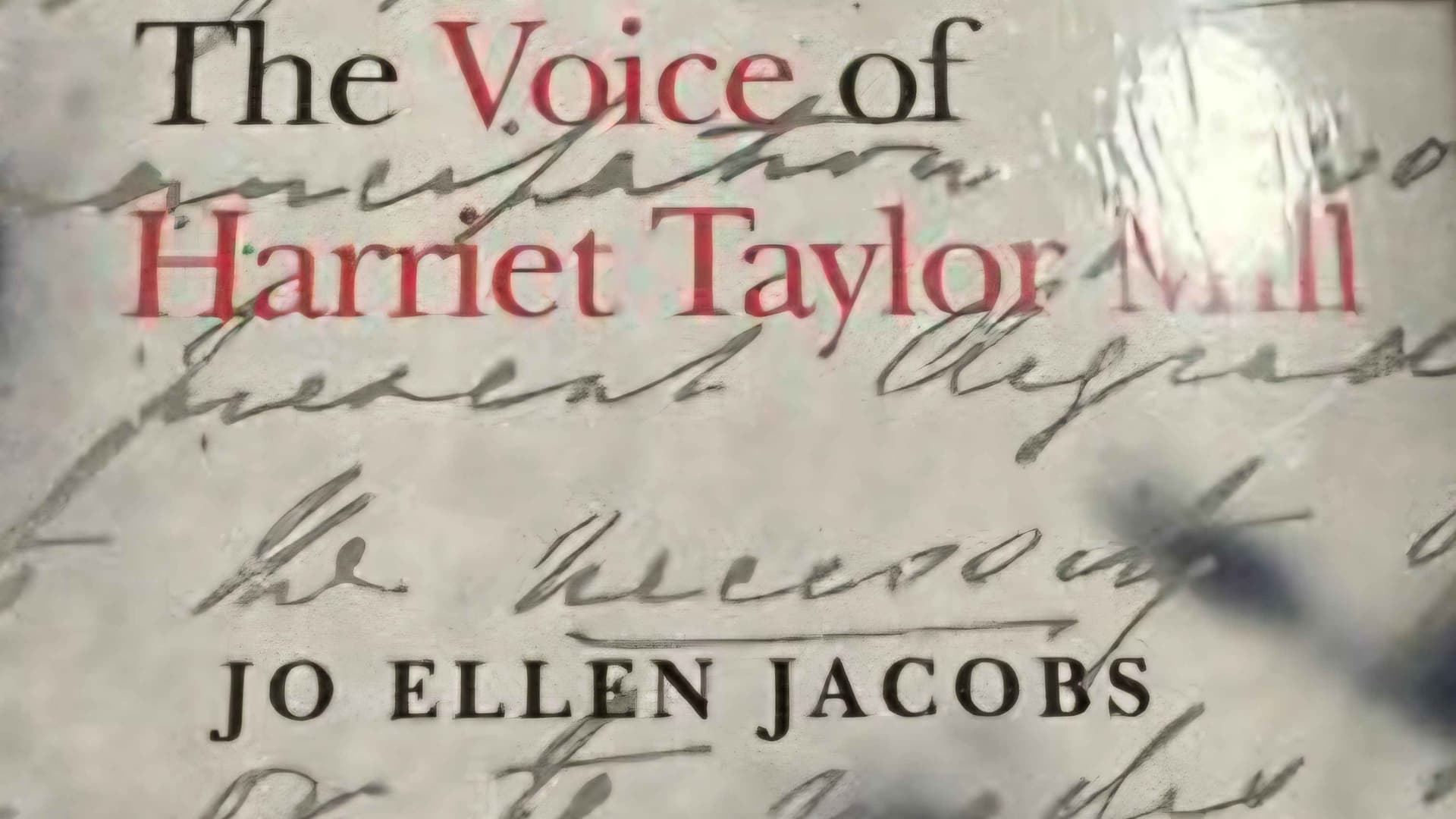
Mill, Taylor and the Subjection of Women
In The Subjection of Women (1869), John Stuart Mill argues that women’s subordination persists not because it has been rationally justified, but because no alternative system has ever been tried. Gender inequality, he claims, arose not from reason but from brute force — “the law of the strongest.” Over time, this domination took subtler forms: chivalry, benevolent control, and legal restrictions that masked subjugation as protection. Women were denied rights such as voting or owning property, kept obedient under the guise of gratitude and dependence.
Mill insists that since society has only ever practiced patriarchy, it cannot claim to know women’s “true nature.” What is called female nature, he says, is artificial — shaped by repression and distortion. Even if women were proven to be naturally subordinate, such laws would remain unjust; genuine inferiority would make coercion unnecessary. His central plea is for a society where every individual, regardless of gender, may choose their role freely according to talent and effort.
Yet Mill’s feminism remains limited. While he advocates liberty and equality, he does not challenge the domestic division of labor. He assumes most women will prefer marriage and treats it as a profession equivalent to men’s external careers — a view that confines women’s equality to the public sphere, not the household. By accepting traditional domestic roles, he undermines his own liberal principles, since the home remains the chief site of women’s unfreedom.
In contrast, Harriet Taylor’s The Enfranchisement of Women (1851) is more radical. Writing eighteen years earlier, she insists that women’s emancipation requires economic independence, whether married or single. Taylor identifies “custom” as the true mechanism of oppression — a social conditioning that teaches women submission as a virtue. She asks pointedly: how can one know women do not desire equality when they have been taught from childhood to repress that desire? For her, removing social constraints is essential so that people can truly discover and pursue their own aspirations.
Taylor recognizes that as long as wives are confined to the domestic sphere, they cannot protect their interests or even understand them. Women’s happiness, she argues, depends on full autonomy, not merely absence of visible suffering. Mill, by contrast, believes political and legal equality sufficient, underestimating how deeply economic and cultural structures sustain subordination.
Ultimately, Mill’s failure to question the family system limits his liberal feminism. He rejects legal and political subjugation but overlooks the structural injustice that forces women to choose between family and career, while men enjoy both. True equality demands transforming the social institutions — education, economy, and public opinion — that condition women to see obedience as their natural destiny.
Though Mill’s views now appear partial, his work remains groundbreaking. His recognition of women’s subjection as a central obstacle to human progress laid the intellectual foundation for modern feminism. As he wrote in The Subjection of Women:
> “The legal subordination of one sex to the other is wrong in itself, and now one of the chief hindrances to human improvement; it ought to be replaced by a principle of perfect equality, admitting no power or privilege on the one side, nor disability on the other.”
- Global