
KENYA: My Mother Turned My Period Panic Into a Moment of Care
Jul 8, 2025
story
Seeking
Encouragement

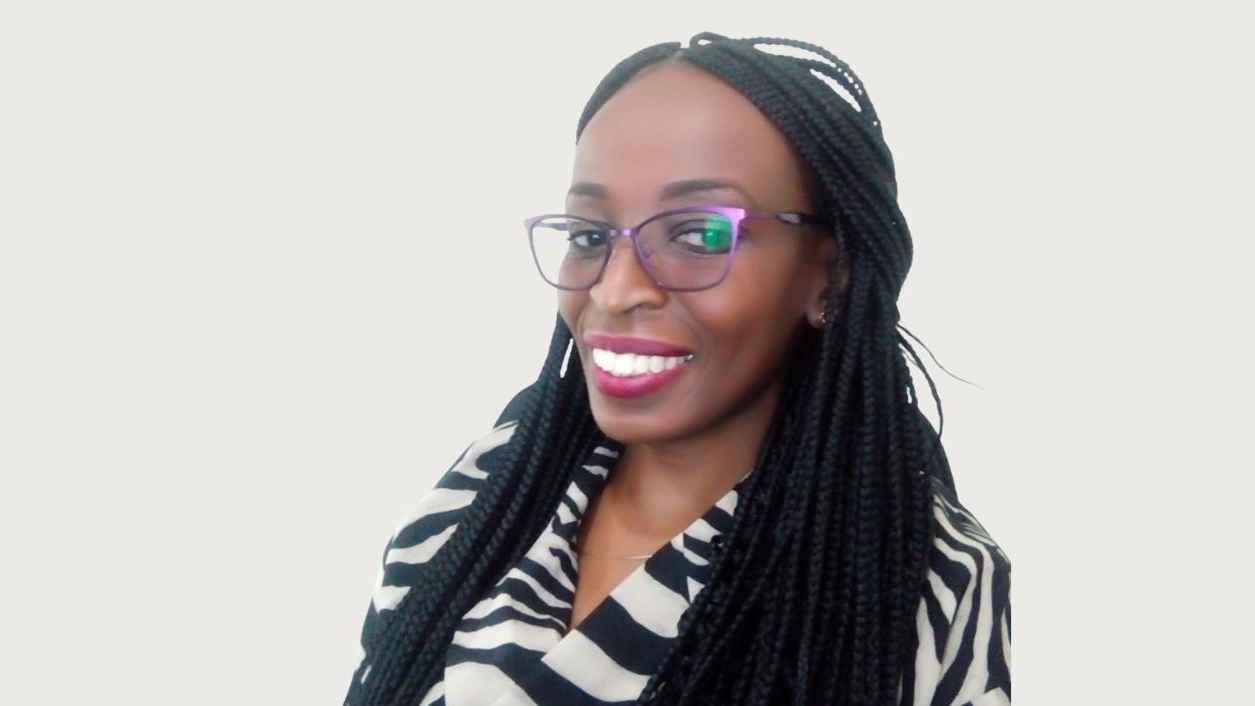
Photo Credit: NyarAwange
NyarAwange
At 14, NyarAwange’s first period at school caused fear and shame. Her mother’s pep talk inspired her to pass on lessons to the next generation.
My mother explained the possibility of having cramps and told me to lie down, not to overthink, and to let nature be.
You would think all those talks about menstruation would prepare you for your first period. For me, they didn't. I was 14. Adolescence was taking shape nicely. Hips broadening. Breasts enlarging. School officials called senior girls in for a pep talk on periods and period hygiene. They also gave us a sample of pads or tampons from the brand that sponsored the talks. There was so much shame in having your period back then.
We used to hide our pad samples from the boys who did nothing but point and laugh at us. And even when we hid them, they would always say "hata mkizificha tunajua mumepewa pads za ma piri." (Even though you hide them, we know you have been given pads for the periods). Some curious ones came to ask what they look like. Some confident girls would show them. The rest of us would cringe and respond with hostility, saying it was none of their business.
Why were we so ashamed of such a natural occurrence? Back then, in the early 90s, our parents didn't quite educate us on matters of sexuality. All we were told when we began our periods was that we needed to be clean and not "play with boys" because we could get pregnant. Our hawk-eyed mothers would swoop in on any boys who were trying to be too familiar with their daughters and sternly warn them to stay away.
The shame many of us felt around puberty stemmed largely from misinformation and a lack of open conversation. Sex education was often gender-segregated and awkward, with laughter used to mask discomfort or deflect attention from our own body changes.
My first experience was in class. I was sitting down, and when I stood up from my seat, I felt an unfamiliar breeze. My backside was wet. I froze in horror, sitting back down and subtly running a hand down the back of my tunic. Lo and behold, it came back red! I was confused and mortified.
I never removed my sweater, no matter how hot it got, because my breasts had begun to show, and some naughty boys would elbow me in the chest on purpose. There's no need to mention how badly that hurt. Still, I removed my sweater, wrapped it around my waist, and went to the girls' bathroom. I washed my hands and fumbled with the pad until I placed it firmly on my panties.
We all got a chance to try it at home after the talks, but I was uncertain, as I had never done this before.
There was also the tension of leakage from the pad. One was never sure enough that they hadn't stained their tunic. We wanted to check every time. Thankfully, my first experience didn't come with menstrual cramps.
The pad was thick. I had previously heard jokes about people's pads falling down during activities like walking, running, or jumping. I never wanted that to happen to me.
I wrapped my sweater around my waist again to cover my period stain. I couldn't wait for lunch break to rush home and wash up like nothing had happened. I think I walked like a duck for the first few steps before I adjusted to the fact that this would be my life. I would walk with a "thing" stuck on my panties. What a nightmare it was. I walked back to class and was unusually quiet.
The nosy ones began to wonder why I had finally taken off my sweater. I snapped at them. Nobody prepared me for the mood swing. Some knew. They murmured among themselves that I had "started.” Some were friendly enough to tell me they started before me. I felt some comfort. I asked them questions I was too shy to ask. But they told me not to be ashamed. They would cover for me.
I sat in the next lesson in utter discomfort, waiting for the bell to ring. The bell would signal lunch break and my freedom from the torment between my legs. I went home, walking slowly out of fear my pad would fall. (Yes. Back then, they didn't have wings).
I got home later than usual, ran straight to the bedroom, and picked up my towel. I wrapped it around me and went to the bathroom to bathe. My mom was home that day and knew something wasn't right, but she waited for me to finish before she intervened. I got a fresh uniform out and frantically tried to iron it before time ran out. I only had an hour, and 40 minutes had already gone by.
"Daughter, come, let's have this talk." I went to where she was sitting, and she finally put it down for me in a way that was so relatable. I felt at ease when I explained my side of things, and she had a good answer that would allay my fears. She gave me a fresh packet of pads as a welcome gift to womanhood. I was happy.
My mother told me that periods are a normal part of growing up, something all my sisters had gone through, and nothing to fear. She explained that my body was now capable of becoming a mother, and that menstruation marks the transition from girlhood to womanhood. The blood, she said, was a cushion the womb had prepared in case of pregnancy. Since I hadn’t had sex, my body was shedding that cushion to prepare a new one for the next month.
She explained I might feel pain in my lower back and stomach as the uterus contracts, but that I could take painkillers to ease the discomfort. Some days would be heavy, some light, and I might still bleed slightly even after my period seemed to end. She emphasized the importance of hygiene — showering twice a day, wiping properly, and changing my pad every two hours to avoid odor.
She showed me again how to place a pad, check it during school breaks, and dispose of it properly without flushing. Finally, she let me skip my evening chores and told me to rest, which made me feel cared for and calm.
By the time our talk was over, I was late for school by about 20 minutes. She told me she would speak with my teacher the next day. She allowed me to stay at home and settle in, allowing me to feel at ease. My mother explained the possibility of having cramps and told me to lie down, not to overthink, and to let nature be. I kept running to the toilet to check and change my pad, even when it wasn't used enough.
Now, as a grown woman, I’m ready to pass these lessons on to the next generation, so they won’t feel as lost as I once did. I’ll share both the challenges and the beauty of it all, breaking it down so they understand and feel prepared for womanhood.
I’ve already started with my daughter. She’s far more confident about her period health than we were and knows she can always come to me with questions.
Menstrual education in Kenya has undergone significant improvement. Today, both boys and girls are more informed and supportive, and parents are more open to discussing menstruation and reproductive health. With access to the internet, books, period-tracking apps, and calendars, girls are better prepared than previous generations.
A sweet trend among young couples is the "period package" — pads, wipes, painkillers, and treats — bought by boyfriends to comfort their girlfriends during their periods.
I encourage parents to learn and talk openly with their children about menstruation. Kids should hear this from someone they trust. If a father feels uncomfortable talking to his daughter, he can invite a trusted woman to help, ideally with him present. Including sons in these conversations can also reduce period stigma and foster empathy.
STORY AWARDS
This story was published as part of World Pulse's Story Awards program. We believe every woman has a story to share, and that the world will be a better place when women are heard.
- Health
- Salud menstrual
- Featured Stories
- Africa