
Let's Take Care Of Our Environment
Apr 8, 2026
initiative
Seeking
Action


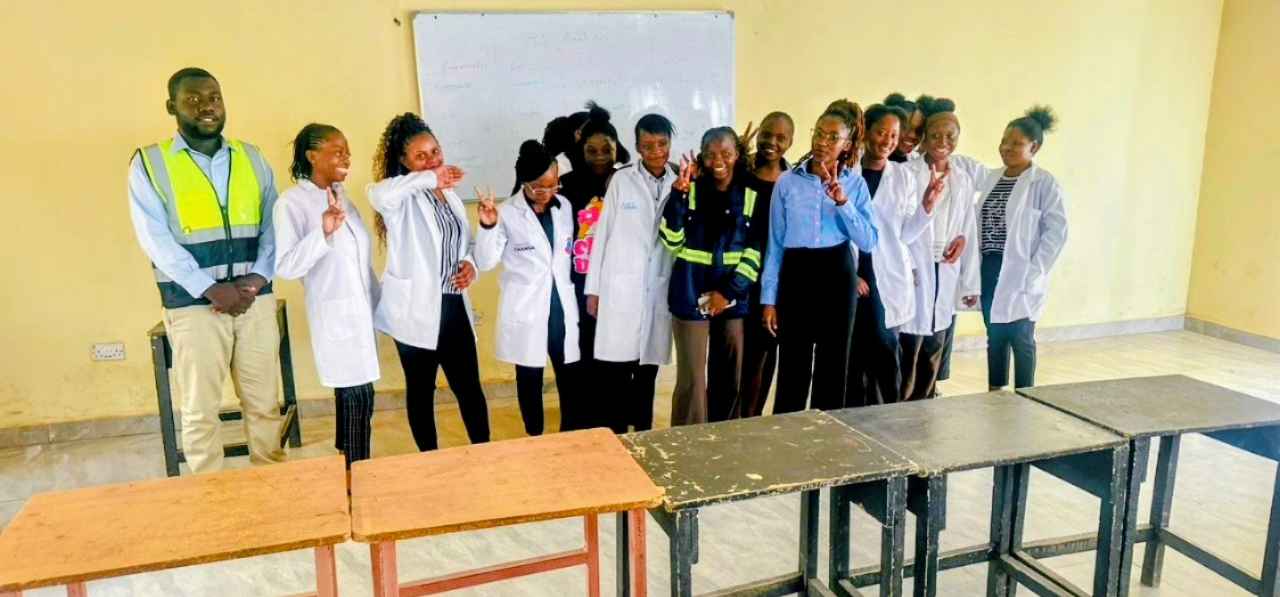
Environmental health students
Every time I attend the AMR Leadership Program Cohort 4.0 by ReAct Africa, I am reminded of the many environments I encounter. I notice poor waste disposal practices and the sale of food in markets that appears unhygienic, often exposed to flies. Despite this, people still buy and consume such food without considering its safety or origin.
From the last session, I learnt about biosecurity, which is the practice of protecting humans, animals, plants, and the environment from harmful biological agents through preventive measures, policies, and control systems.
Society needs to be educated about the dangers of consuming food that is not properly handled, traced, or monitored. There is also a need to raise awareness about proper waste disposal, as indiscriminate dumping of trash can contribute to the spread of infections and antimicrobial resistance (AMR). This can lead to the irrational use of medicines. When people develop resistance to certain classes of drugs, they are forced to use stronger and often more expensive medications.
This situation can result in longer hospital stays, increased healthcare costs, and greater pressure on government resources—resources that could otherwise be invested in infrastructure and education.
The same principles apply to animal health, where poor hygiene and misuse of antimicrobials can also contribute to resistance.
I had the opportunity to discuss with Environmental Health students from Zambian Royal Medical University. We discussed their role in antimicrobial resistance and how they can contribute to a healthier and safer community.
Antimicrobial resistance is an issue that should be discussed consistently. Although we understand that antimicrobial resistance occurs when microorganisms change in ways that make medicines ineffective, we must also ensure that we do not become the kind of people who say, “it’s easier said than done.”
the most vital things to know is
-Addressing antimicrobial resistance in livestock through the One Health approach.
-Developing strategic frameworks for collaboration on antimicrobial resistance: Now, Antimicrobial Resistance is not a problem one sector can solve alone, strong collaborations between healthcare workers and communities ensures coordinated actions, better policies and more effective solutions
another point is Understanding the One Health perspectives of antimicrobial resistance, which include human, animal, and environmental health.
This approach should help us understand that human health is connected to animals and the environment. For example contaminated water or improper waste disposal can spread resistant microbes.
-Strengthening global governance mechanisms: to address antimicrobial resistance (AMR) strong policies and regulations should be put in place to ensure proper use of antimicrobial, monitoring of resistance and accountability. This helps communities by improving access to effective medicine and reducing the spread of resistance.
If we take preventive measures seriously and promote awareness, we can create a safer and healthier world for everyone.
- Health
- Education
- Leadership
- Girl Power
- Environment
- Climate Change
- Global