
LIBERIA: A Survivor's Fight Against FGM
Jun 4, 2025
story
Seeking
Action
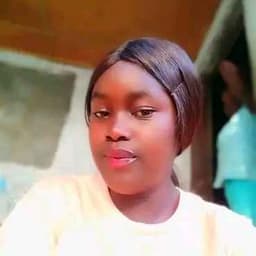
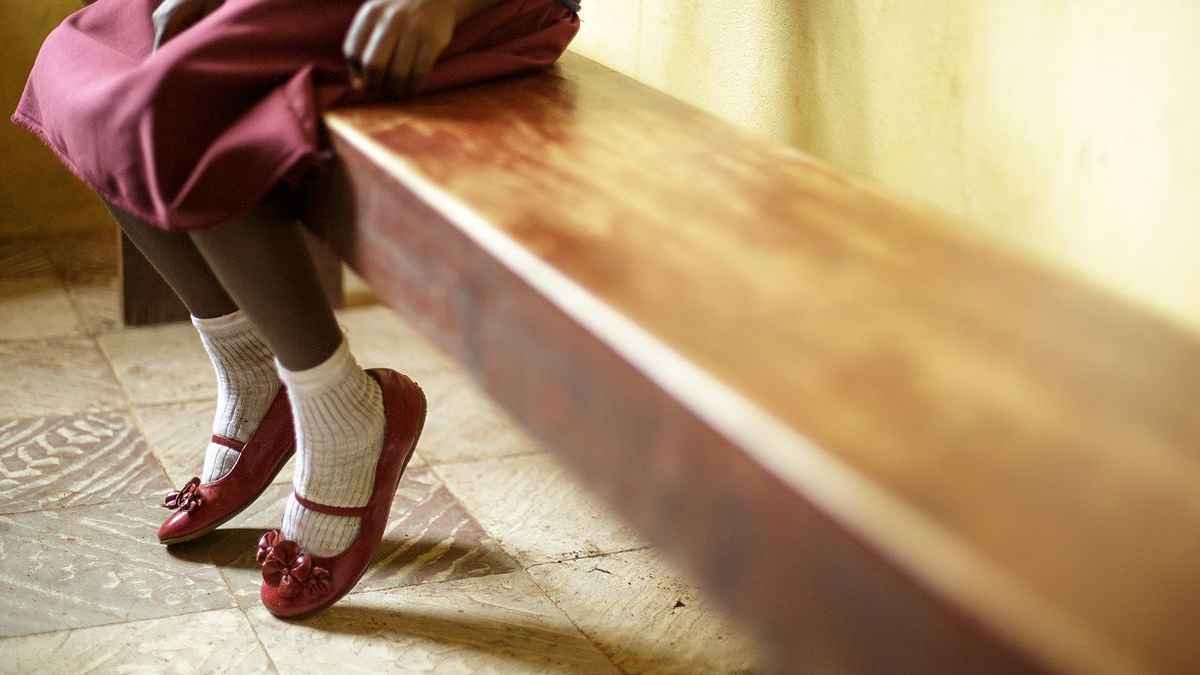
Photo Credit: Wikipedia Commons
Nancy Fayiah tells the story of Fanta Ceesay, a survivor of female genital mutilation in Liberia, who shared her childhood experience and highlights the ongoing prevalence of the practice in the country.
Born into a culture where female genital mutilation is a rite of passage, Nancy is calling to protect girls everywhere.
As I grew older, I realized the severity of this practice and how it strips away our dignity and rights as women.
I am a proud Liberian, born into a culture that, unfortunately, has practices that profoundly impact the lives of women. One such practice is female genital mutilation (FGM). In my country, if a female refuses to undergo this procedure, she faces exclusion from the community, and marriage becomes almost impossible.
Meeting Fanta Ceesay at the radio show deeply moved me. As she shared her experiences, I saw her determination and resilience. After the show, and with her permission, I captured her story in writing, knowing that her narrative could impact others since storytelling is a powerful tool to connect, heal, and inspire.
Fanta was only seven years old when she underwent this harrowing experience. There were eleven girls sitting on a long bench waiting to be called in one by one. She could hear her friends crying and screaming in fear, but she was powerless to do anything.
When it was her turn, Fanta entered the room and saw her grandmother and two other elderly women. They covered her face and asked her to lie down. They removed her clothes and began to cut her private parts. The pain was excruciating, and she cried and cried, but no one came to her rescue.
After the cutting, the girls were placed in a room together, all of them crying from the unbearable pain. The worst part was that they were all cut with the same knife, and there was no medicine or treatment provided. Fanta watched some of her friends die because they couldn’t handle the pain. Their hands and legs were tied together, and they were left there without any medical care.
As I’ve grown older, I’ve realized the severity of this practice and how it strips away Liberian women’s dignity and rights. I am now dedicated to fighting against FGM. This practice has left women like Fanta without the ability to enjoy intimacy, and she feels as though her rights as a woman were taken from her.
I hope you can understand the place I come from and the challenges we face. Female genital mutilation is a global human rights crisis. According to the World Health Organization, more than 230 million girls and women alive today have undergone female genital mutilation in 30 countries across Africa, the Middle East, and Asia where FGM is practiced. It is most often performed on girls between infancy and age 15, taking away their bodily autonomy.
Despite significant advancements, female genital mutilation continues to be a practice in Liberia, especially in rural communities, with more than 50 percent of women and girls aged 15-49 having undergone the procedure. The practice persists in 11 out of 15 counties, particularly affecting girls aged 5 to 14.
Beyond the immediate trauma, female genital mutilation can cause long-term physical and psychological harm. The health complications alone cost global health systems an estimated US $1.4 billion per year, a number that is expected to rise. Many potential female leaders have lost their lives due to this practice. A girl dies every 12 minutes because of female genital mutilation.
FGM is more than a violation — it is a wound carried across generations. Governments must act urgently, enforcing strict laws against the practice and ensuring survivors receive the support they need to heal. Individuals must challenge harmful traditions, amplify survivors' voices, and educate their communities. You can stand in solidarity by sharing stories, advocating for change, and holding leaders accountable.
As for me, I will keep fighting. My voice will not be silenced, and my words will continue to carve a path toward justice. Together, we can break the cycle.
STORY AWARDS
This story was published as part of World Pulse's Story Awards program. We believe every woman has a story to share, and that the world will be a better place when women are heard.
- Gender-based Violence
- Featured Stories
- Africa