
Like the Lake at Dawn: A Woman’s Journey for Peace
Apr 24, 2026
story
Seeking
Encouragement
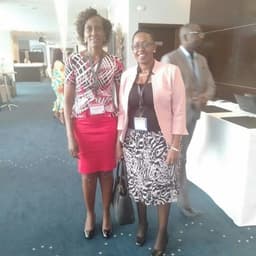

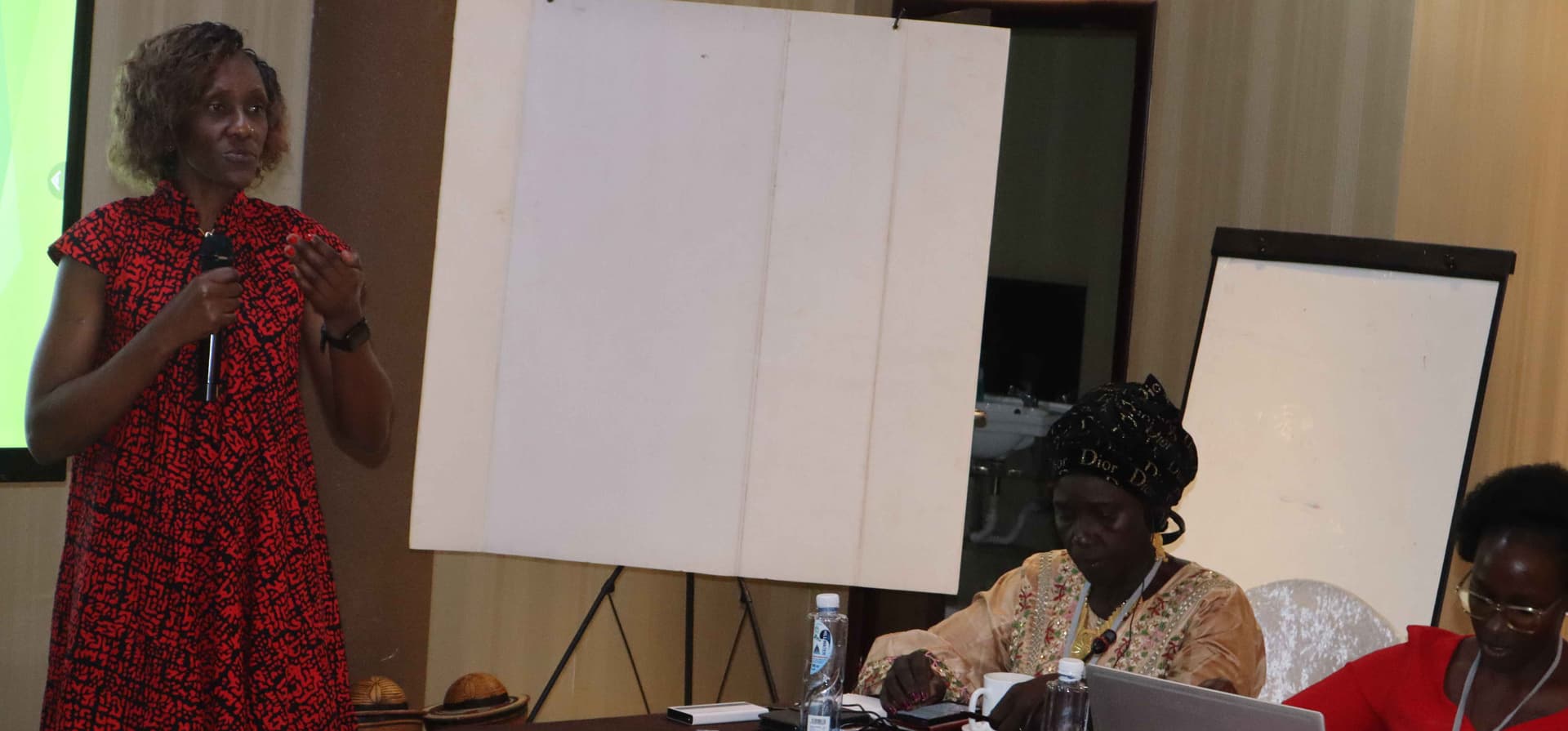
Photo Credit: Kristine Yakhama
I come from a place where the lake breathes life into our days and nights, where the sun rises like a stubborn child—slow, bright, and full of promise—and sets like a tired mother, carrying the weight of the day on her back. My name is not as important as my story, because my story is the story of many women like me—women who wake before the rooster, who carry both water and worry, who sell fish with one hand and hold their dignity tightly with the other.
Peace, to me, is not a big word spoken in conferences. It is not written in heavy reports or signed in faraway cities. Peace is small. Peace is simple. Peace is when I sleep without fear that someone will knock at my door in the middle of the night. Peace is when my children eat and laugh in the same evening. Peace is when I go to the market and return home with both my money and my respect intact.
They say, “A peaceful home is better than a palace full of fear.” I have come to understand that deeply.
Every morning, I sit by the lakeshore with women I have worked with—fish mongers, strong women whose hands smell of fish but whose hearts carry dreams as fresh as morning dew. I have supported them through training, helping them understand their rights, their value, and their voice. But even as we sit together, the struggles rise around us like smoke from a cooking fire—thick, choking, and impossible to ignore.
These women face many challenges. Some are silent, like the slow hunger of poverty. Others are
loud, like the voices of men who control access to fish. There is a practice that many fear to speak about openly—a system where some women are forced to trade their bodies for fish. It is a painful truth, one that cuts deeper than a knife. A woman once told me, “If the lake is our husband, then why does it treat us like strangers?” That question still sits heavy in my heart.
Government frustrations add another layer. Policies are made far away, without the smell of the lake or the sound of women bargaining in the market. Taxes increase, regulations tighten, and yet support feels like a story we are told but never see. We fill forms, attend meetings, and wait—but waiting does not feed a child.
Just last week, I witnessed something that reminded me how fragile peace is in our community. A group of women had gathered at dawn, hoping to buy fish from arriving boats. The air was cold, and the lake was restless. When the fishermen arrived, arguments broke out. Prices had gone up again. One woman, Akinyi, tried to negotiate, but she was pushed aside. Words turned into shouting. Shouting turned into threats.
I remember how her voice trembled, not just from anger, but from helplessness. “How will I feed my children?” she cried. No one answered.
In that moment, I realized something: conflict is not always war with guns. Sometimes it is a mother standing in front of empty hands and an empty future.
They say, “When two elephants fight, it is the grass that suffers.” In our case, when systems fail, it is women who suffer.
There was a turning point in my life that changed how I understand peace. It happened a few years ago when violence broke out in a nearby area. It started with small disagreements—land, politics, power—but quickly grew into something bigger. Houses were burned. Families fled. Fear spread faster than fire in dry grass.
I remember meeting a young girl, no more than twelve years old, who had been displaced. She sat quietly, her eyes empty like a well that had run dry. When I asked her what she wanted most, she said, “I just want to go home and sleep.”
Not food. Not clothes. Just sleep.
That moment shook me. It taught me that peace is not just about safety from violence. It is about the right to rest, to belong, to feel human again.
Since then, I have carried that understanding into my work. Training women is not just about business skills. It is about dignity. It is about helping them stand tall even when the world tries to bend them.
Women and girls in my community carry heavy burdens. They face harassment in the markets, violence in their homes, and insecurity on the roads. Some girls drop out of school because their mothers cannot afford fees. Others are married off early, their dreams folded away like old clothes.
But even in the middle of all this, women resist. They survive. They lead.
I have seen women form groups, saving small amounts of money—coins that may seem insignificant, but together become something powerful. I have seen them speak up in meetings, their voices shaking at first, then growing stronger. I have seen them support each other, because they know that “one finger cannot kill a louse.”
There is a woman named Mama Atieno who once told me, “We may be poor, but we are not powerless.” She now leads a small group of fish traders who refuse to accept exploitation. They negotiate together. They stand together. And slowly, things are changing.
Peace, in my daily life, is found in small moments. It is in the laughter of women after a long day. It is in the quiet of early morning before the world wakes up. It is in the simple act of sharing tea and stories. Emotionally, peace is when my heart is not heavy. It is when I do not feel like I am fighting a battle every single day. Practically, peace is when systems work—when women can access fish without exploitation, when markets are fair, when leaders listen.
For my family, peace means stability. It means my children can go to school without interruption. It means we can plan for tomorrow without fear of what today might bring.
The kind of peace I aim for is not perfect. It is not a dream without challenges. It is a peace that allows us to live, to grow, to hope.
If I had the chance to speak to global leaders, I would tell them this: do not look at us from far away. Come closer. Listen to our stories not as numbers, but as lives. Understand that peace is not built in big halls alone. It is built in markets, in homes, in small communities where women are holding everything together like the thread in a torn cloth.
We need action that touches real lives. Support women economically, because when a woman earns, a family eats. Protect women’s rights, not just in words, but in practice. Involve women in decision-making, because we understand the ground realities.
And most importantly, respect our dignity.
They say, “A child who is not embraced by the village will burn it down to feel its warmth.” If communities are not supported, if women are not heard, then peace will remain out of reach. As part of my initiative, I continue to train women fish mongers. We discuss not just business, but also rights, safety, and collective power. We encourage savings groups, advocate for fair systems, and create safe spaces where women can speak freely.
My vision is simple: a community where women do not have to choose between survival and dignity. Where girls grow up knowing their worth. Where peace is not something we hope for, but something we live.
And sometimes, when words are not enough, I turn to poetry: Peace is not a distant drum,
It is the heartbeat in my chest.
It is the quiet after the storm,
The moment a weary soul can rest.
Peace is a child’s laughter,
Carried by the evening breeze.
It is a mother’s steady hands,
Planting hope like seeds.
Peace is not given,
It is grown, like crops in the field.
Watered with courage,
And the wounds we choose to heal.
This is my piece for peace.
It is not perfect. It is not complete. But it is real.
And like the lake that never stops moving, we too will keep going—until peace is not just a word, but a way of life.
- Economic Power
- Human Rights
- Leadership
- Peace & Security
- Peace Is
- Global