
Lucía Pérez: The Girl Who Became a Symbol of Argentina’s Fight Against Femicide
Feb 21, 2025
story
Seeking
Encouragement


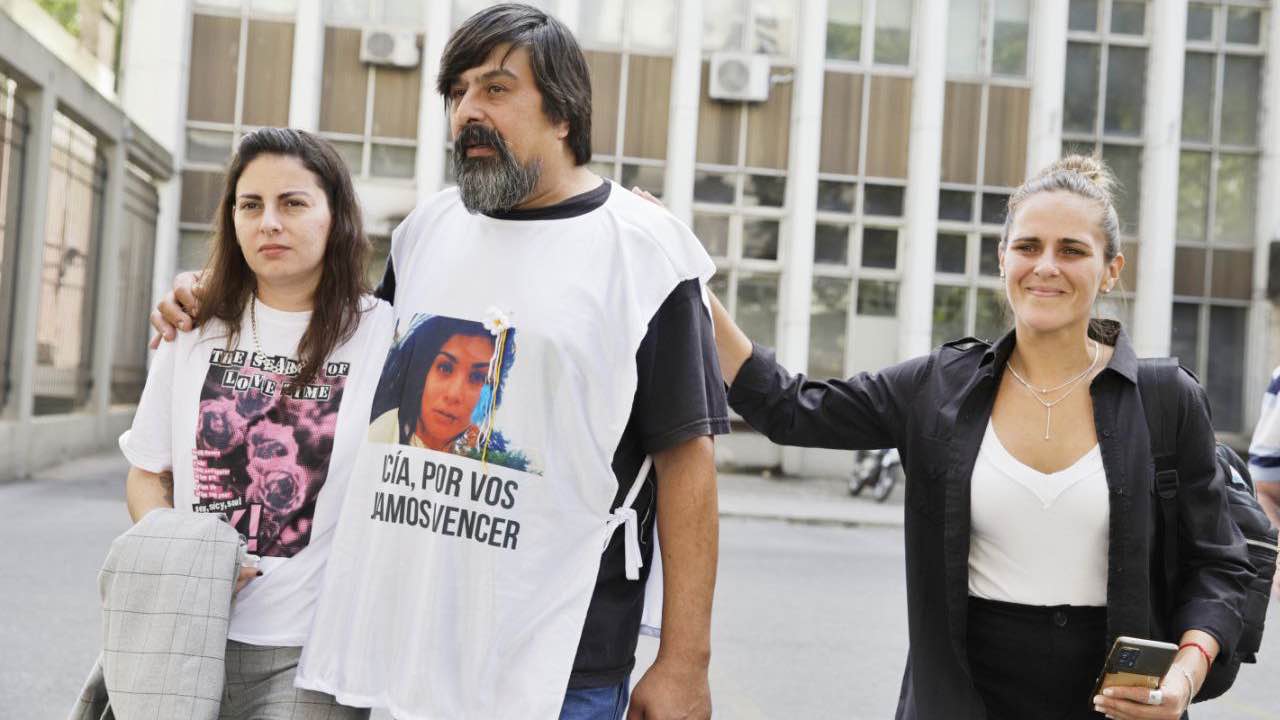
On October 8, 2016, in Mar del Plata, Argentina, 16-year-old Lucía Pérez was found dead after enduring an unimaginable act of violence. Her death was so brutal, so horrifying, that it shook an entire nation and ignited a movement that would change the course of Argentina’s fight against gender-based violence.
Lucía was not the first victim of femicide in Argentina, but her case became a turning point—a rallying cry that led to the first-ever national women’s strike in Argentina’s history.
A Young Girl Full of Life
Lucía Pérez was a typical teenager—full of life, with dreams of becoming a veterinarian. She loved animals, enjoyed spending time at the beach, and had a bright future ahead of her. She was an ordinary girl living in an ordinary neighborhood, but in a world where violence against women is a harsh reality, her life was tragically cut short.
On October 7, 2016, Lucía left her home like any other day. She had no idea that she would never return.
The Crime That Shook Argentina
Lucía was lured by two men, Matías Farías (23) and Juan Pablo Offidani (41), who offered her marijuana and later took her to Farías’ home. What happened next was an act of pure horror.
According to the initial reports, Lucía was drugged, raped, and tortured so violently that her body could not withstand the abuse. Her attackers then washed her body, dressed her, and dumped her at a local health center, claiming she had overdosed.
Doctors immediately knew they were lying. Lucía’s body showed signs of brutal sexual violence, and it became clear that she had been murdered in cold blood.
News of the crime spread quickly, and soon, the entire country was in shock, rage, and mourning.
The Outrage That Sparked a Revolution
Argentina had already been struggling with an epidemic of femicide. On average, one woman was killed every 30 hours in the country. But Lucía’s murder was different—it was so cruel, so inhuman, so devastating that it ignited a national movement.
The feminist organization Ni Una Menos (Not One Less), which had already been fighting against gender-based violence, called for action. Just days after Lucía’s death, on October 19, 2016, thousands of women across Argentina and Latin America took to the streets for a national women’s strike—the first in the country’s history.
Dressed in black, women marched under the rain, chanting “Ni Una Menos, Vivas Nos Queremos” (“Not One Less, We Want to Stay Alive”). The strike spread to Chile, Peru, Uruguay, Paraguay, and Mexico, showing that Lucía’s death had touched a nerve far beyond Argentina.
It was a historic moment—women refused to work, refused to stay silent, and refused to let Lucía’s murder go unpunished.
The Legal Battle: A Justice System That Fails Women
Lucía’s case quickly went to trial, but what happened in court was yet another injustice.
In 2018, the judges shockingly ruled that there was no evidence of sexual violence and acquitted the suspects of femicide, sentencing them only for drug-related crimes. The verdict outraged the entire country. It was yet another example of how Argentina’s justice system failed women, dismissed gender-based violence, and protected rapists and murderers.
Lucía’s mother, Marta Montero, became a relentless activist, demanding justice for her daughter.
After years of legal battles and public pressure, in 2023, the court overturned the original ruling, and Matías Farías was sentenced to life in prison for femicide, rape, and supplying drugs to a minor.
Juan Pablo Offidani was sentenced to eight years for being an accomplice.
The long-delayed justice for Lucía was bittersweet, but it was a hard-fought victory for Argentina’s feminist movement.
Lucía’s Legacy: A Movement That Will Not Be Silenced
Lucía Pérez did not choose to be a symbol. She did not choose to be a martyr.
But her death changed Argentina forever.
Her case forced the country to confront its epidemic of femicide, pushed for stronger laws against gender-based violence, and empowered thousands of women to speak out.
Her mother, Marta Montero, continues to fight for justice—not just for Lucía, but for every girl and woman who has been silenced.
Every October 19, on the anniversary of the historic women’s strike, Argentina remembers Lucía.
She is gone, but she is not forgotten.
Her name lives on as a symbol of rage, resistance, and the unbreakable power of women demanding justice.
- Human Rights
- Peace & Security
- Gender-based Violence
- Global