
Mahila Samakhya Karnakata; When Women Come Together (2)
Jan 21, 2015
story


Mahila Samakhya Karnakata; When Women Come Together (2)
Field Visit to Chamrajnagar
As an entrepreneur, I was naturally interested in learning how women in the remote areas in India survive and thrive. My first experience for deeper understanding began with women in Chamrajnagar district. They are involved in animal husbandry, embroidery and general merchandise.
At the end of the filed visit, I resolved that women empowerment is important if any fundamental change is to happen in any community. The strategy employed by Mahila Samkhya is simple for the rural women to comprehend. It is the creation of the sangha banking system.
The system entails that these women save money on a regular basis. The money is pooled into a sangha fund, which along with seed money provided by the Samakhya, forms a revolving fund. The sangha collectively decides on specific projects to which the money is disbursed. It could be for collective or given to individuals for income generating activities. Sanghas also avails themselves of bank loans. The repayment goes back into the revolving fund.
As the funds in the pool of each sangha revolves, so also the progress for the women in the sangha.
This has become a reality in Gundlupet Taluk where right education and economic empowerment gave the community women the much awaited independence, and heir story changed forever. The story goes thus; six years ago, Mahila Samakhya Karnataka got to know about the plight of the women in Gundlupet through one of the officials of the staff. It was a shocking revelation that there is a community where women were totally dependent on their male counterparts; they could not attend to any activities without being accompanied by a male. It sounds strange; women could not go to market alone; they had to be accompanied by a man!
Mahila Smakhya Karnakata stepped into the community; initiated several empowerment programmes for the women of Gundlupet. It was targeted towards right and economic empowerment. After some training programmes, the women became free to engage in independent businesses, they made decision concerning their lives and future and they could contribute towards the economic development of their household and community.
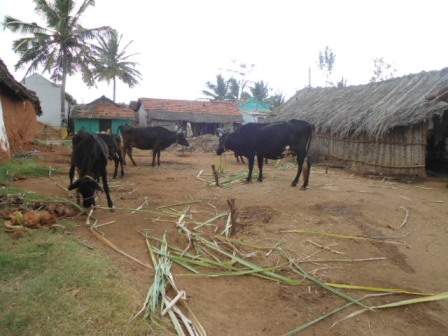
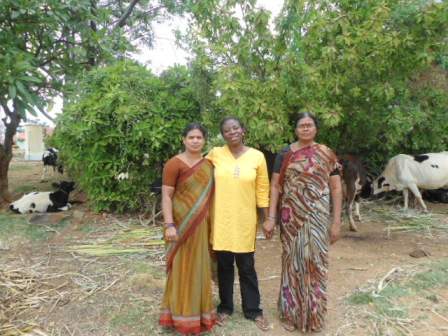
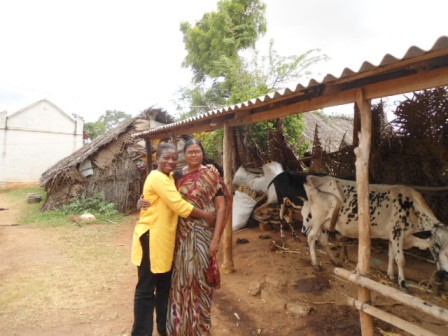
During my visit, I met a strong group of women! They are filled with success stories; they narrated their stories with wide smiles on their lips. Each woman in the Sangha owns two or three cows, have dairy farm, sell cow dung as manure for organic farming and some of them were able to buy 2 wheeler scooters to market their products.
What a change!
The most inspiring of their story is their ability to educate their children in good boarding schools and to degree level. It was dreams come true for these women. Within six years of Mahila Samakhya Karnataka involvement with women in Gendlupet; their story changed from complaint to explaining how they made their businesses grow.
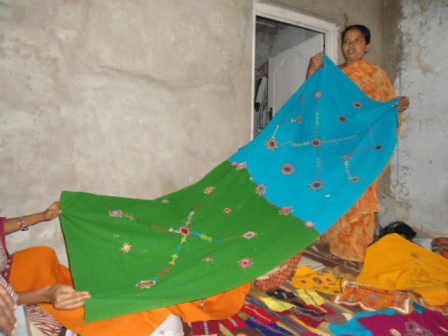
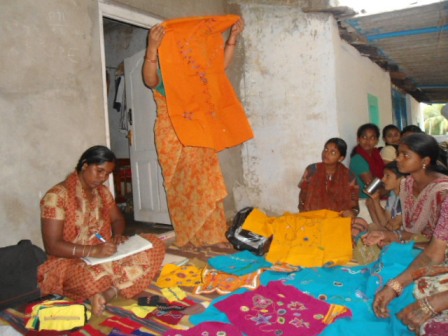
The story is similar in Sangha Kolipalya in Chamrajnagar Taluk. The women are experts in Lambani embroidery. The sahayogini smiled as she explained to me that so far, she has trained about 300 women on embroidery and 25 women are working with her in the villages. These women speak with one voice. They major in embroidery work and work together on demand. They have customers all across India.
The business grows daily. The key to their success is togetherness. In sangha, the women’s collective efforts is yield more, therefore they do more collectively.
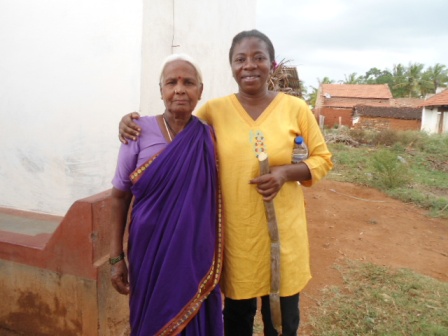
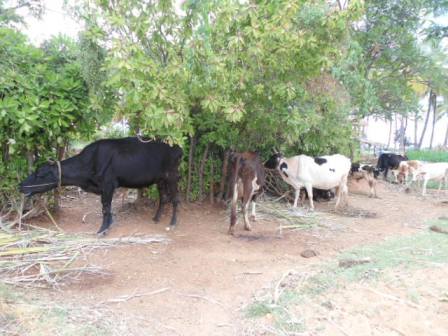
In addition, when I was asking one of the oldest woman, how it was possible for her to manage her animal farm and remain successful even as frail as she looks. She moved closer to me, pointed to the women in the group as and whispered; “the success of the farm can only be credited to these women; they did it for me” she smilingly led me to her 3 buffaloes, tied to a tree. We walk around the animals as she continued her revelation “Whatever achievement I have today; we did it together” she concluded.
She went further to inform me that she sees the animals as children to be catered for; the cost for one is 35,000 Rupees, she also said that her cow milk per day is 10 litres she is able to, save 7,000 Rupees per year in milk production only, and she also sells her cow dung to organic farmers.
.
She gave me a warm hug as we departed, after learning lessons from the great old women. When women decide to come together in unity, great change is inevitable.
- Africa