
Maktub
Apr 16, 2025
story
Seeking
Encouragement

Maktub: Everything is written
Sitting here, reflecting on my journey, the question echoes in my mind: "Why me? Why did all this have to happen?" It feels like the world has turned its back on me. My divorce hit me hard, a blow that three me. It felt like a betrayal of everything I held dear. Lost, confused, and drowning in pain, I struggled to make sense of it all. But my story isn’t defined by divorce alone. It’s a story of resilience, etched in the scars I carry, a story I’m finally ready to share.
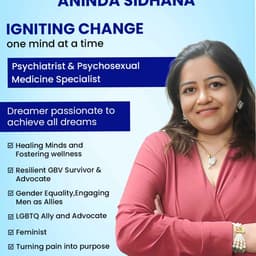
Before the divorce, I endured something far more devastating: Gender-Based Violence. It was a brutal, life-altering experience. It stole my sense of self, leaving wounds both visible and invisible. The pain was unbearable, a constant ache in my heart. I felt shattered, broken into a million pieces. My scars felt like a brand, a mark of shame I could never erase. Yet, even in that profound darkness, a tiny spark of defiance flickered within me. I refused to be defined by my trauma. I knew I had to heal, reclaim my life, and somehow use my experience to empower others.
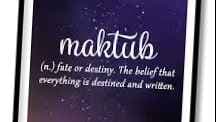
Amidst the wreckage of my divorce and the lingering pain of the GBV, a word, a concept, resonated deep within me: Maktub. "It is written," this Arabic phrase, from Paulo Coelho’s "The Alchemist," a book I’ve always cherished. At first, Maktub felt like passive acceptance, a surrender to an unwanted fate. But as I wrestled with the pain and the confusion, its meaning began to transform.
It wasn’t about giving up. It was about recognizing that perhaps, just perhaps, these experiences, these traumas, weren’t random acts of cruelty. Maybe they were part of a larger, more intricate tapestry, a design I couldn’t yet fully grasp. Maybe, just maybe, they were written for a reason.
Let me be clear: I’m not minimizing the pain. The grief, the trauma, the hurt – it was all excruciatingly real. But Maktub offered a sliver of hope, a tiny pinprick of light in the overwhelming darkness. It allowed me to shift my perspective, to ask different questions. Instead of "Why me?" I began to ask, "What now?" "What can I learn from this?" "How can I grow?" And, most importantly, "How can I use this to help others?"
And then, it clicked. What if these experiences, the GBV and the divorce, weren’t just about me? What if they were preparing me for something bigger, something more meaningful? What if they were forging me into someone capable of truly understanding and supporting other women facing similar struggles?
The idea resonated deep in my soul. I began connecting with other women who had experienced GBV and/or divorce, sharing my story, listening to theirs. I discovered a strength I never knew I possessed, a resilience born from the ashes of trauma and heartbreak. And I realized that maybe, just maybe, these painful experiences were guiding me toward my own Personal Legend, a path I never would have dared to imagine before.
Maktub doesn’t magically erase the pain. It doesn’t make the healing process easy. But it offers a framework for understanding, a way to find meaning in the midst of chaos. It reminds me that even in the darkest moments, there is a story being written, a purpose unfolding. And perhaps, just perhaps, my experiences with GBV and divorce, as devastating as they were, were necessary chapters in my story, stepping stones on the path to helping other women find their own light after the storm. Maybe it was written in the stars. And maybe, just maybe, my scars were destined to become stars, guiding others through their own darkness, illuminating the path to healing and hope. These aren’t just my scars; they’re becoming my stars.
- Girl Power
- Global