
Media Can Do Better: Reporting on Gender-Based Violence
Mar 7, 2025
story
Seeking
Encouragement
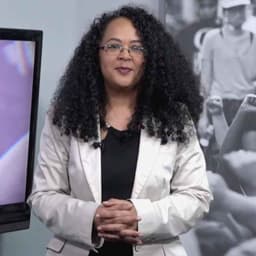

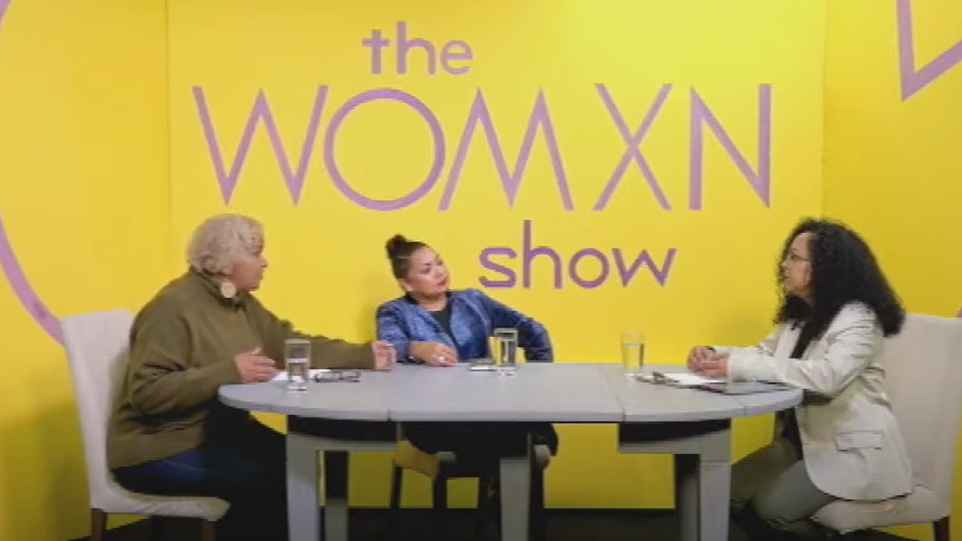
Photo Credit: The Womxn Show
In 2021, Caroline Peters, Director of the Callas Foundation, approached me to assist the family of a femicide victim who was being harassed by the media. Not only was the family being hounded for comment, but unverified misinformation was printed about the femicide. I met with a family member to talk her through the role of the media, her rights and options and assisted in drafting a formal statement for media distribution. But first, we listened.
This case infuriated me and I started planning an episode of The Womxn Show on the way that gender-based violence is covered in and by the media. Just a year or so earlier, I had heard from two survivors that interviews with mainstream media had sent them back into therapy. It was unacceptable.
Caroline Peters herself is a survivor, as is Lynn Hill, South African author, poet, inspirational speaker and executive coach. Lynn recounts how, after a brutal assault at 15, her story landed up on the front page of "a pretty sensationalist community newspaper, without an interview with me or my parent's consent". The misrepresentation, she says, was "skewed to the point that I was cheapened, was disrespectful and there was no acknowledgement of the trauma. My parents threatened to take them to court."
On the reality for survivors speaking out about their experiences of gender-based violence, Caroline recounts how years after her assault, as a Rape Crisis volunteer, she told her story publicly for the first time on radio. "I remember I was off sick the next day. I needed a day in bed, I needed a day to hide. That was the first time. After that, it became easier, but there's still sometimes when you're telling your story, the tears flow and it becomes emotional. And I think journalists push you to the point where they want to see emotions. They do not want to speak to a survivor who tells their story in a victorious way. They want to see a survivor that's sitting there and falling apart."
One thing the media needs to be aware of, says Caroline, is that there needs to be someone that is able to support the survivor emotionally. "Another thing is that so many times you stand and tell your story, but nobody comes to say 'thank you for telling your story. That must have been hard for you.' Acknowledge that it's not easy, whether it's my 200th time. That could be the day that I'm not having a good day and I'm going to need someone in that space.'
It's #InternationalWomensMonth and I am sharing local (South African) stories of amazing women tackling gender-based violence and gender justice. #ThinkGlobalActLocal
To watch the whole episode, see
To learn more about Callas Foundation, see https://callasfoundation.org.za/
To read more about Lynn Hill, her work and books, see: https://www.linkedin.com/in/lynn-hill-2a6a54137/
- Global