
MENTAL HEALTH AWARENESS AS AN AMBITIOUS INDIVIDUAL.
Oct 31, 2024
first-story
Seeking
Visibility



Photo Credit: No copyright infringements intended.all rights reserved to respective owners.Photo credits: Pinterest.
From darkness to Drive: Empower Your Ambition!

WHAT DOES DEPRESSION LOOK LIKE?
Title: THE WEIGHT OF AMBITION.
In the bustling city of Lumina, where skyscrapers pierced the clouds and ambition thrived, lived a young woman named Maya. She was known for her vibrant spirit and relentless pursuit of her dreams. Balancing her studies in architecture and a part-time job at a local design firm, Maya was the epitome of determination. To her friends, she seemed unstoppable, but beneath her cheerful exterior lay a growing darkness.
As the months passed, the pressure to excel mounted. The late nights spent studying and juggling deadlines began to take a toll on her mental well-being. Maya often found herself feeling exhausted, even after a full night's sleep. She started to withdraw from her friends, missing gatherings and losing interest in the hobbies that once brought her joy. The laughter that once filled her life grew faint, replaced by an overwhelming sense of isolation.
One rainy evening, after a particularly grueling day at work, Maya returned to her tiny apartment and collapsed onto the couch. The walls felt like they were closing in on her, and a weight settled in her chest. Thoughts of inadequacy plagued her mind—she felt like a fraud, incapable of achieving her dreams. The ambition that once fueled her became a relentless source of anxiety.
Maya began to notice other signs. The simple act of getting out of bed felt monumental. Her appetite waned, and she often skipped meals, opting instead for coffee and energy drinks to keep her going. She felt trapped in a cycle of self-criticism, constantly comparing herself to her peers who seemed to have it all together. Her vibrant spark dimmed, leaving her feeling like a mere shadow of her former self.
One day, during a routine check-in with her mentor, an experienced architect named Lucas, Maya broke down. With tears streaming down her face, she confessed her struggles. Lucas listened intently, his expression shifting from concern to understanding. He shared his own experiences with burnout and the pressures of ambition. “Maya,” he said gently, “it’s okay to feel overwhelmed. Acknowledging your feelings is the first step toward healing.”
Inspired by Lucas's empathy, Maya began to explore ways to prioritize her mental health. She started journaling her thoughts, expressing her feelings instead of bottling them up. She sought therapy, finding solace in the safe space to explore her emotions. Maya learned about the importance of self-care, carving out time for activities that brought her joy, like painting and taking long walks in the park.
As she navigated this journey, Maya discovered the strength in vulnerability. She opened up to her friends, sharing her struggles and allowing them to support her. They rallied around her, reminding her that she wasn’t alone in her battle. Through their encouragement, she began to redefine her relationship with ambition, recognizing that success didn’t have to come at the expense of her well-being.
Months later, as Maya stood in front of her latest architectural project—a community center designed to promote mental health awareness—she felt a renewed sense of purpose. The center, filled with art and open spaces, was a testament to her journey. It symbolized not only her professional achievements but also her commitment to prioritizing mental health.
Maya had learned that ambition and mental health could coexist. By acknowledging her struggles and seeking support, she transformed her narrative from one of isolation to one of empowerment. Her story became a beacon for others, inspiring them to speak up and seek help, reminding them that it’s okay to not be okay. In a world that often glorifies hustle, Maya found strength in balance, proving that true success lies in nurturing both dreams and mental well-being.
Depression is a complex mental health disorder characterized by a variety of symptoms that can affect an individual's emotional, cognitive, and physical well-being. Here are scientifically proven signs and symptoms of depression:
SCIENTIFIC -PROVEN SIGNS OF DEPRESSION.
- Persistent Sadness or Low Mood: A feeling of sadness, emptiness, or hopelessness that lasts most of the day, nearly every day.
- Loss of Interest or Pleasure: A marked decrease in interest or pleasure in activities once enjoyed, including hobbies, social interactions, and sex.
- Changes in Appetite or Weight: Significant weight loss when not dieting, weight gain, or changes in appetite. This can manifest as either increased or decreased eating habits.
- Sleep Disturbances: Insomnia (difficulty sleeping) or hypersomnia (sleeping too much) are common. Many people with depression experience sleep disturbances.
- Fatigue or Loss of Energy: Persistent fatigue or a noticeable decrease in energy levels, even with adequate rest.
- Difficulty Concentrating: Trouble focusing, making decisions, or thinking clearly, often described as "brain fog."
- Feelings of Worthlessness or Guilt: Excessive or inappropriate feelings of guilt or worthlessness, often accompanied by self-blame for past events.
- Psychomotor Agitation or Retardation: Observable agitation (restlessness, inability to sit still) or retardation (slowed movements, speech, or thought processes).
- Recurrent Thoughts of Death or Suicide: Frequent thoughts about death, suicidal ideation, or suicide attempts. This is a critical sign that requires immediate attention.
- Physical Symptoms: Depression can manifest as unexplained physical issues, such as headaches, stomachaches, or chronic pain that doesn’t have a clear medical cause.
WHAT IT MAY LOOK LIKE:



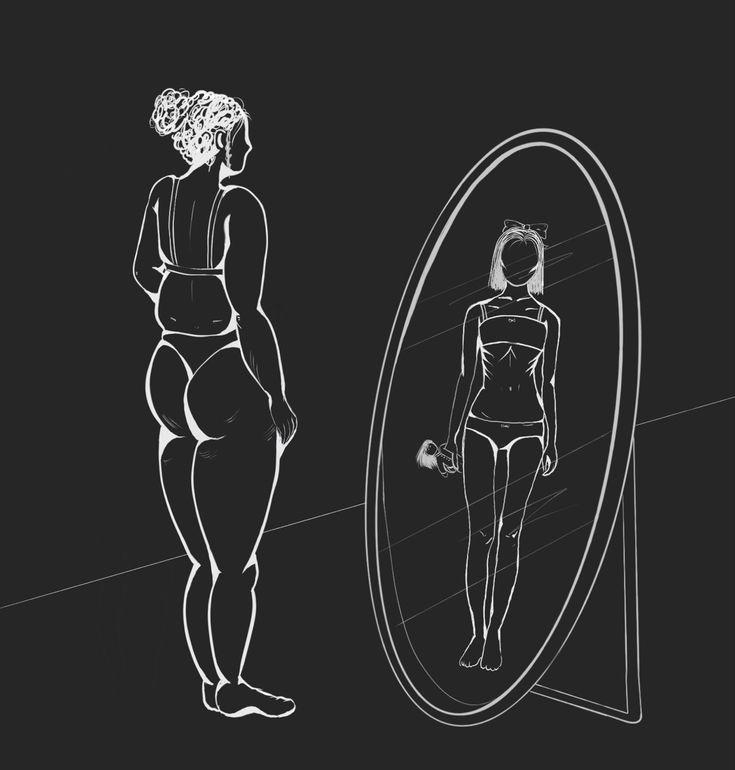



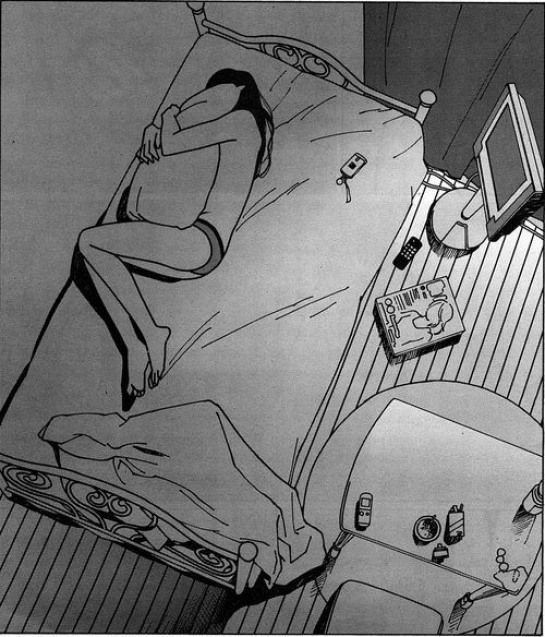



Additional Considerations
Duration: For a diagnosis of major depressive disorder, symptoms must persist for at least two weeks and represent a change from previous functioning.
Severity: The symptoms must cause significant distress or impairment in social, occupational, or other important areas of functioning.
Variability: Symptoms can vary in intensity and may come and go, often influenced by external stressors or life changes.
Conclusion:
Recognizing these signs is crucial for early intervention and treatment. If you or someone you know is experiencing these symptoms, it is important to seek help from a mental health professional. Early diagnosis and appropriate treatment can significantly improve outcomes and quality of life.
ADDITION SOLUTIONS COULD BE:
- Seek Professional Help: Consider talking to a mental health professional, such as a therapist or psychiatrist. They can provide guidance, therapy, and possibly medication.
- Talk About It: Open up to friends or family about what you’re feeling. Sharing your thoughts can help reduce feelings of isolation.
- Stay Active: Engage in physical activity, even if it's just a short walk. Exercise can boost mood and energy levels.
- Establish a Routine: Creating a daily schedule can provide structure and a sense of normalcy
- Practice Self-Care: Prioritize activities that you enjoy and that help you relax, such as reading, listening to music, or engaging in a hobby.
- Limit Alcohol and Drugs: These substances can exacerbate feelings of depression and anxiety.
- Eat a Balanced Diet: Nourishing your body with healthy foods can have a positive impact on your mood.
- Sleep Well: Try to establish a regular sleep routine to improve your overall mental health.
- Mindfulness and Relaxation Techniques: Practices like meditation, yoga, or deep breathing can help reduce stress and improve mood.
- Join Support Groups: Connecting with others who are experiencing similar feelings can provide comfort and understanding.
If feelings of depression persist or worsen, it’s important to seek help immediately. Remember, you’re not alone, and support is available.
Report by-HYENI NAKAMBA.
Email: nakambawalusungu@gmail.com
- Positive Masculinity
- Peace & Security
- Health
- First Story
- Peace Building
- Stronger Together
- Moments of Hope
- Global