
Microplastics and hormones
Jul 5, 2025
story
Seeking
Visibility


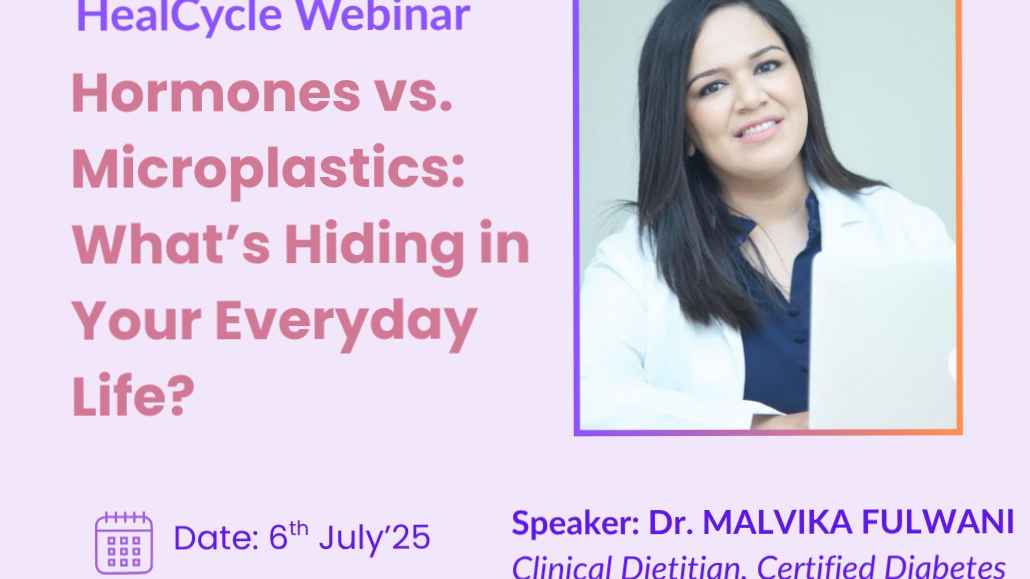
Could Your Period Problems Be Linked to Hidden Plastics? An Essential Conversation This Plastic-Free July!
We're all becoming more aware of the sheer volume of plastic in our world, from overflowing landfills to vast ocean patches. But what if the plastics you interact with daily are doing more than just polluting the environment? What if they're subtly, yet powerfully, impacting your health from the inside out – especially your delicate hormonal balance and your menstrual cycle?
It's a truth that might surprise you: over 90% of people today have microscopic plastic particles, known as microplastics, in their bloodstreams. Yes, you read that right. These tiny invaders are no longer just an external problem; they've been found in unexpected places within the human body, including placentas, breast milk, and even the intricate tissues of our ovaries. This isn't just an environmental concern; it's a pressing health issue, particularly for anyone navigating period problems, hormonal fluctuations, or unexplained symptoms.
Consider this: Could your everyday plastic water bottle, food containers, or even certain personal care products be contributing to your cycle struggles?
This Plastic-Free July, we're taking a deep dive into this critical, often overlooked connection. We are incredibly excited to host a vital and eye-opening conversation with renowned dietitian Malvika Fulwani. She will expose the hidden ways plastics infiltrate our lives and bodies, and how they can silently wreak havoc on your hormones, your menstrual cycle, and your overall well-being.
How Exactly Do These Tiny Plastics Affect Your Hormones and Period?
It's not just the plastic particles themselves, but also the chemicals they contain that are the culprits. Many plastics are made with or contain substances known as Endocrine-Disrupting Chemicals (EDCs). Think of EDCs like master imposters. Our body's hormones are precise messengers, fitting into specific "locks" (receptors) to trigger vital functions, like regulating your period. EDCs can:
* Mimic and Disrupt Natural Hormones: EDCs, such as Bisphenol A (BPA) found in many plastics, can slip into your body's hormone "locks" like fake keys. They can either turn on signals that shouldn't be on, or block the real hormones from doing their job. This confusion can throw your entire hormonal system out of sync, directly impacting:
* Estrogen and Progesterone Balance: The delicate dance between these two hormones governs your entire menstrual cycle. When disrupted, you might experience irregular periods (too long, too short, or unpredictable), heavier bleeding, or even painful cramps.
* Ovulation: EDCs can interfere with the precise hormonal signals required for healthy ovulation, potentially affecting fertility.
* Thyroid Function: Your thyroid gland produces hormones vital for metabolism and energy. EDCs can also interfere here, leading to symptoms that can indirectly affect menstrual health, like fatigue or weight changes.
* Trigger Internal Stress and Inflammation: Beyond direct hormone interference, the mere presence of microplastics in your body can trigger a low-level inflammatory response. Imagine tiny irritants constantly poking at your cells. This chronic inflammation and "oxidative stress" can further damage tissues and disrupt complex hormonal pathways, making existing period problems worse and contributing to overall bodily stress.
* Direct Impact on Reproductive Organs: The discovery of microplastics within ovarian tissue and the fluid surrounding human eggs is particularly concerning. This raises serious questions about their potential to:
* Compromise Egg Quality: They might interfere with the healthy development and maturation of eggs, which is crucial for conception.
* Alter Ovarian Function: Long-term exposure could potentially affect the overall health and function of your ovaries, the very core of your reproductive system.
For individuals dealing with conditions like Polycystic Ovary Syndrome (PCOS) or Endometriosis, which are intrinsically linked to hormonal imbalances and inflammation, understanding plastic exposure becomes even more critical. EDCs could potentially exacerbate symptoms and make management more challenging.
It's Time to Learn and Empower Yourself!
This event isn't about fear-mongering; it's about providing crucial knowledge and empowering you with actionable solutions. Understanding these hidden influences is the powerful first step towards making conscious choices that can significantly protect and improve your hormonal health.
Malvika Fulwani will guide us through:
* The most common sources of hidden plastics in our daily lives that you might not even realize.
* The specific mechanisms by which these plastics and their chemicals interfere with your body's delicate endocrine system.
* Practical, realistic, and effective strategies you can start implementing today to detox your daily routine and significantly minimize your exposure to harmful plastics.
Don't let invisible threats undermine your health. This is a unique opportunity to gain insights that can truly transform your well-being.
Event Details You Don't Want to Miss:
* What: A powerful, informative conversation with dietitian Malvika Fulwani on hidden plastics and their impact on your cycle and health.
* When: Saturday, July 6th, 2025
* 6:30 PM IST (Indian Standard Time) - Perfect for our audience in India!
* 9:00 AM EST (Eastern Standard Time) - Convenient for our friends in the US and Canada!
* Where: This will be a live online session. Simply sign up to receive all the details and your access link!
Your hormones, your menstrual health, and indeed, your entire body, will thank you for taking this important step.
👉 Ready to uncover the truth and take proactive control of your health? Secure your spot now by signing up here: https://lu.ma/s7vntr5e
Let's learn how to make powerful changes through our everyday choices and move towards a healthier, less plastic-filled future, together.
Join For the Webinar By @Healcycle
- Education
- South and Central Asia