
My Decolonised Hair: My Crown
Sep 26, 2025
story
Seeking
Encouragement
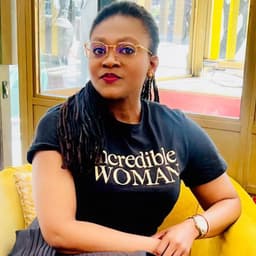

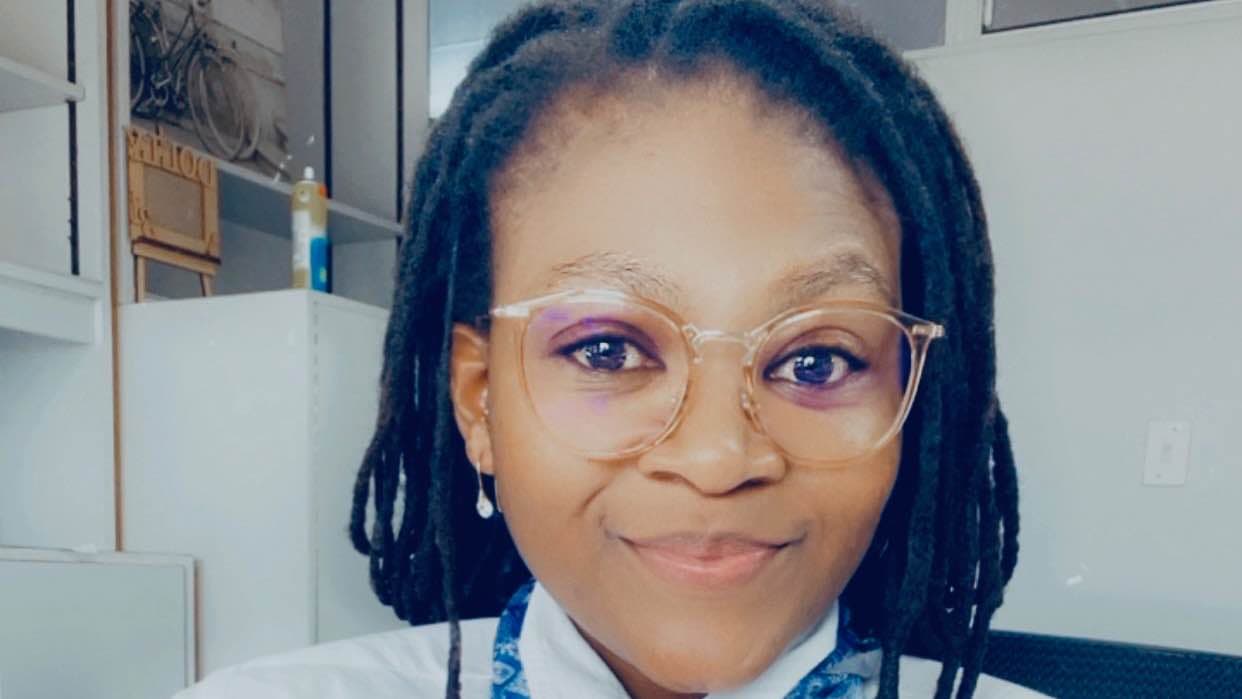
“Get your hair done!” How about “nope?!”
I shouldn’t have to justify my preference. Shouldn’t have to get anyone to comprehend that each day I rise, it is Heritage Day for me. I do not wait for September 24th to enjoy my decolonised self; I live it. I wear it. I am it. Decolonising my hair began with my becoming in 2012. It was not a trend. It was a reckoning. A sign of heritage layered with resistance, reclamation, and reverence. It’s not just about aesthetics. It’s about memory, identity, and sovereignty. A deeply personal and political reflection that weaves together ancestral pride, cultural erasure, and the radical act of choosing myself.
Hair as Archive
My hair is a living archive. Each coil carries the memory of people who braided wisdom into survival. My texture is testimony, proof that I descend from those who endured, who created, who refused to be erased.
I remember the rituals: the coconut oil, the gentle tug of plaits, the stories whispered between scalp and soul. My grandmother’s hands knew how to speak to my roots. In those moments, I was not just being styled, I was being remembered. My coils are coded with memory. They remember the hands that nurtured them, the oils that soothed them, the songs sung while parting them. They remember the pain of being tugged into conformity, and the joy of being released into freedom. When I twist my hair, I am twisting time. I am communing with ancestors who knew that beauty was never just decoration; it was declaration. My hair rituals are not cosmetic. They are ceremonial.
Colonial Violence
But colonialism taught me to forget. To tame. To straighten. To disappear. Eurocentric beauty standards pathologized my hair. Called it “unprofessional,” “messy,” “too political.” School rules banned dreadlocks. Job interviews demanded assimilation. Even friends and family members, shaped by survival, urged me to conform. The violence was subtle and systemic. It taught me that to be accepted, I must erase myself. That my crown was a burden.
Colonialism didn’t just steal land; it stole texture. It taught us that straight was superior, that our natural state was something to be corrected. It infiltrated our schools, our churches, our workplaces, our homes. I’ve been told my dreadlocks are “too much.” That my locs are “unprofessional.” That my headwrap is “distracting.” But what they really mean is: your presence disrupts the lie we continue to sell. The lie that whiteness is the default. That Blackness must be muted. That heritage must be hidden.
Reclamation
So I cut the chemicals. I stopped apologizing for volume, length of my dreadlocks, for texture, for taking up space. I learned to twist, to wrap, to wear my hair in ways that honored its truth. I reclaimed the rituals. I reclaimed the pride. I reclaimed myself. Each style or non existence of it became a declaration: I am not here to conform. I am here to remember.
Reclaiming my hair was reclaiming my voice. I stopped asking for permission to be myself. I stopped shrinking to fit into systems that were never built for me. I began to see my hair as a compass, pointing me back to myself. I wore my dreadlocks to boardrooms. I let my mane bloom at conferences. I wrapped my head in Njeti cloth at gatherings. Each choice was a refusal. Each style was a sermon. I am not here to be palatable. I am here to be powerful.
Visibility as Activism
Now, when I walk into a room with my dreadlocks haloed in sunlight, I am not just making a fashion statement. I am making a political one. My hair is protest. It is poetry. It is a refusal to be silenced. In a world that still polices Black bodies, wearing my hair freely is an act of sovereignty. It says: I belong. I am enough. I am rooted, I am the roots that coil from my scalp.
Visibility is not vanity, it is victory. When I wear my hair freely, I am saying: I survived. I am saying: I remember. I am saying: I will not be erased. My hair is a banner of resistance. It is a celebration of heritage. It is a mirror for every Black girl who wonders if she’s enough. It is a message: You are. You always were.
To every Black woman reclaiming her crown, may your coils be loud, your edges be proud, and your rituals be sacred. May your hair remind you that you are the archive, the altar, and the anthem. Decolonising my hair was never just about strands, it was about soul. It was about choosing myself, again and again, in a world that profits from my erasure.
So no, I won’t “get my hair done.” It is done. It is divine. It is mine.
- Human Rights
- Indigenous Rights
- Becoming Me
- Global