
My Journey as a Grassroots Speaker at Shandong University on Global Climate Change
Dec 5, 2024
story
Seeking
Visibility
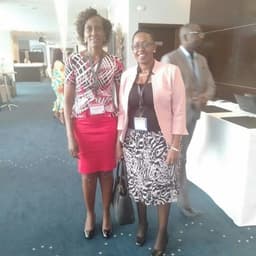

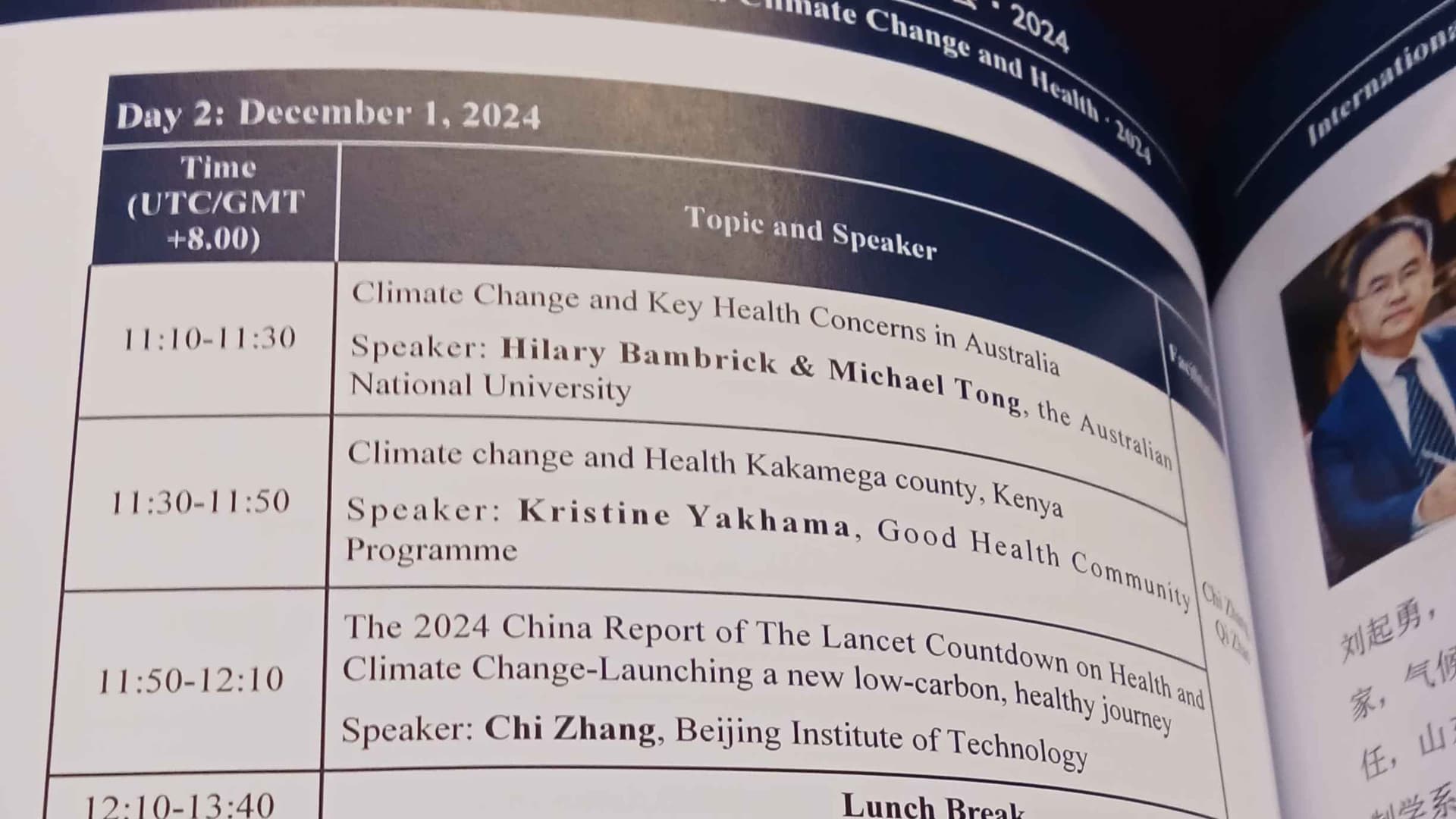
Photo Credit: Kristine Yakhama
On 11th November , 2024I received an email that would change the trajectory of my academic and professional journey. I had been selected as one of the grassroots speakers at the Global Climate Change and Health Conference hosted by Shandong University in Jinan, China. As a young advocate for climate action, this was an incredible opportunity to not only share my thoughts on the intersection of climate change and health but also to learn from global experts, students, and activists.
The Lead-Up: Preparation and Anticipation
The selection process itself was a rigorous one. Applicants were asked to submit proposals that demonstrated their understanding of the complex relationship between climate change and health, particularly at the grassroots level. I focused my proposal on the challenges faced by rural communities in my home country, where climate change exacerbates health disparities, especially for vulnerable populations like children and the elderly.
When I was selected, it felt surreal. As someone passionate about local action, the idea of speaking on an international platform felt like both a personal victory and a responsibility. I began researching how climate change affects public health globally, including rising temperatures, changing disease patterns, and air pollution. But I also made sure to highlight community-based solutions—local, accessible strategies for improving health and well-being in the face of climate challenges.
The Conference: Sharing My Experience and Insights
Arriving at Shandong University was both exhilarating and humbling. The campus was abuzz with energy, filled with experts, researchers, and students from all corners of the globe. I had the privilege of attending lectures on the latest climate science, medical research on climate-related health impacts, and innovative policy frameworks. But what struck me most were the conversations happening outside the formal sessions. I had the chance to meet other grassroots speakers, many of whom were from small island nations, remote rural areas, and marginalized communities. We shared stories of how climate change was already disrupting our lives, economies, and health systems.
As my turn approached to speak, my nerves began to mount. I had practiced my speech numerous times, but nothing could have prepared me for the energy of a live audience made up of experts and passionate activists. Standing before them, I shared my experience of working on climate resilience programs in local communities. I talked about how rising temperatures and unpredictable rainfall were affecting agriculture and how those shifts led to malnutrition, waterborne diseases, and mental health challenges. I also spoke about the importance of grassroots action—how community-led solutions are not only sustainable but also deeply rooted in cultural knowledge and local needs.
The audience's response was overwhelmingly positive. I was struck by how many people from different parts of the world shared similar stories, even though the contexts differed. One attendee, a researcher from the Philippines, approached me after my talk and mentioned how she had seen similar patterns of health deterioration in her country. It was in that moment that I truly realized the global nature of climate change; it affects us all, but it hits the most vulnerable the hardest.
Reflections and Global Connections
One of the most powerful experiences of the conference was the dialogue that followed the presentations. We discussed how to bridge the gap between policy and local action, emphasizing the need for bottom-up approaches. I had the opportunity to network with climate scientists, public health experts, and fellow activists who were all eager to amplify grassroots voices in global discussions. I realized that while systemic change at the international level is critical, grassroots movements are equally essential in ensuring that solutions reach the communities that need them the most.
As I stood in front of the audience, I was reminded of a crucial lesson: climate change is not just an environmental issue; it is a public health crisis. The impacts are already here, and they are taking a toll on the most vulnerable populations. It is up to us, as global citizens, to ensure that our response is not only scientifically informed but also compassionate and inclusive.
Leaving Shandong University, I felt a renewed sense of purpose. The connections I made, the ideas I exchanged, and the stories I heard from fellow grassroots leaders all contributed to a more nuanced understanding of how climate change is intertwined with health, and how urgent the need for action is. I returned home not just as a speaker but as a stronger advocate for local solutions to global problems.
Being selected as a grassroots speaker at the Global Climate Change and Health Conference in China was an unforgettable experience. It reminded me that no matter where we are from, we all have a role to play in tackling the climate crisis—and our collective voice can spark change for a healthier, more sustainable future.
- Health
- Spirit Awards
- Digital Ambassador Events
- Climate Change
- Global