
No to trafficking in persons. An AI created picture by me.
Jul 31, 2025
story
Seeking
Action


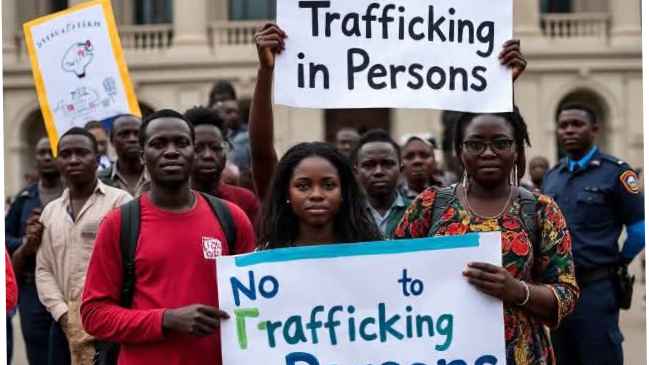
Photo Credit: AI created picture by me
People action against trafficking in persons
World Day Against Trafficking in Persons: A Call to Action in Yobe, Northeast Nigeria
The World Day Against Trafficking in Persons, marked every July 30, is a global reminder of the urgent need to combat human trafficking - a crime that exploits vulnerable individuals, especially women and children, for forced labor, sexual exploitation, and other inhumane purposes. In Northeast Nigeria, particularly in Yobe State, the effects of the Boko Haram insurgency have deepened this crisis, turning many into easy prey for traffickers.
The prolonged conflict in the region has displaced thousands, destroyed livelihoods, and left communities fractured. Many families have been torn apart, with children orphaned and women widowed or separated. This state of vulnerability is what traffickers exploit. Camps for internally displaced persons (IDPs), unprotected schools, and impoverished villages become recruitment grounds for traffickers who promise jobs, education, or safety - only to deliver victims into cycles of abuse and exploitation.
Young girls in Yobe are especially at risk. Many have been abducted or lured into domestic servitude and sexual slavery under the guise of better opportunities. The breakdown of community structures and the limited presence of law enforcement in some rural areas make detection and prevention even harder. The trauma inflicted by Boko Haram - including sexual violence, forced marriages, and indoctrination - has left many psychologically scarred, making reintegration difficult and increasing susceptibility to re-trafficking.
To break this cycle, a multi-layered response is needed. First, strengthening community-based surveillance and reporting systems will empower locals to detect and resist trafficking attempts. Second, education and awareness campaigns especially in IDP camps and rural communities ,must inform people about the tactics of traffickers and their rights. Third, economic empowerment programs for women, youth, and displaced families can reduce the desperation that fuels risky migration and dependency.
Most importantly, rehabilitation and psychosocial support for survivors ,including trauma healing, skills training, and legal aid , must be central to counter-trafficking efforts. Partnerships among local NGOs, traditional leaders, schools, security agencies, and government actors are critical in ensuring a holistic, community-driven approach.
On this World Day Against Trafficking, Yobe must rise , not just in remembrance of the victims, but in resilience. By protecting the vulnerable and rebuilding community safety nets, we can stop trafficking in its tracks and ensure every person in Yobe lives free from exploitation.
- Human Trafficking
- Africa