
North Kivu: The daily struggle of displaced women in the Goma camps
Dec 6, 2024
initiative
Seeking
Visibility

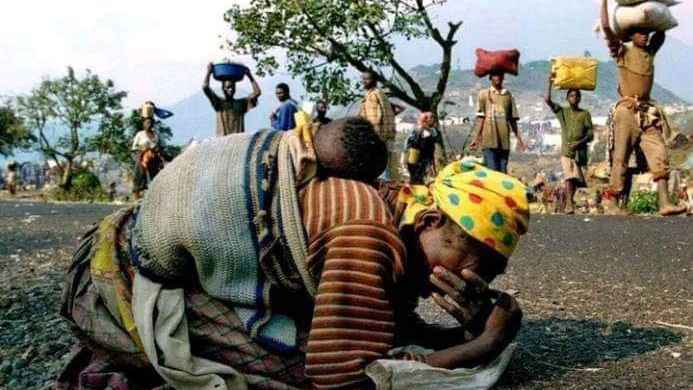
For hundreds of thousands of displaced people living in camps around Goma, survival is a daily struggle, especially for women. Every day, around 70 women victims of sexual assault present themselves at the facilities set up by MSF in the sites of Lushagala, Bulengo, Elohim, Shabindu, Rusayo and Kanyaruchinya, an unacceptable situation. Knowing that their vulnerabilities are exacerbated by the precarious conditions in which they survive, where access to food and other basic necessities is extremely limited, it is urgent that humanitarian actors, donors and the Congolese authorities mobilize more to sustainably improve the living conditions of women and thus limit the risks of assault. “The only way we can find food is to go to the fields, but women like me who have been attacked no longer want to go back and are completely dependent on humanitarian aid,” says a 20-year-old girl who lives in fear after being sexually assaulted by an armed man while she was growing beans near the Lushagala camp.
The situation of women in the camps is dramatic. Often alone to provide for their families, they have no choice but to leave the camp to look for wood and food, exposing themselves to the risk of violence, particularly sexual violence.
Despite improved access to water, latrines and other basic services in some sites in recent months, women continue to live in poor hygiene conditions. “I often have infections, and it’s very difficult to get soap,” laments a young woman who was three months pregnant in Rusayo camp. In the maternity ward supported by MSF in Kanyaruchinya, a woman who has just given birth says she hasn’t had anything to eat since the day before. “Food gives you strength. If I don’t eat, the baby won’t have anything to eat either, I need to have milk to give him.”
“We are a humanitarian medical organisation, other actors and the Congolese authorities must do more to prevent violence against women, ensure their protection in the camps and put an end to impunity for the perpetrators of these crimes,” says Rasmane Kabore. “To this end, donors must continue to increase their funding and humanitarian aid actors their efforts to improve the conditions of women; this includes better access to food, the distribution of fuel and cooking equipment, the establishment of social and legal protection services so that women feel safe. For victims, a holistic approach, based on their needs and preferences and substantial economic support must be implemented to enable them to reintegrate into society,” he concludes.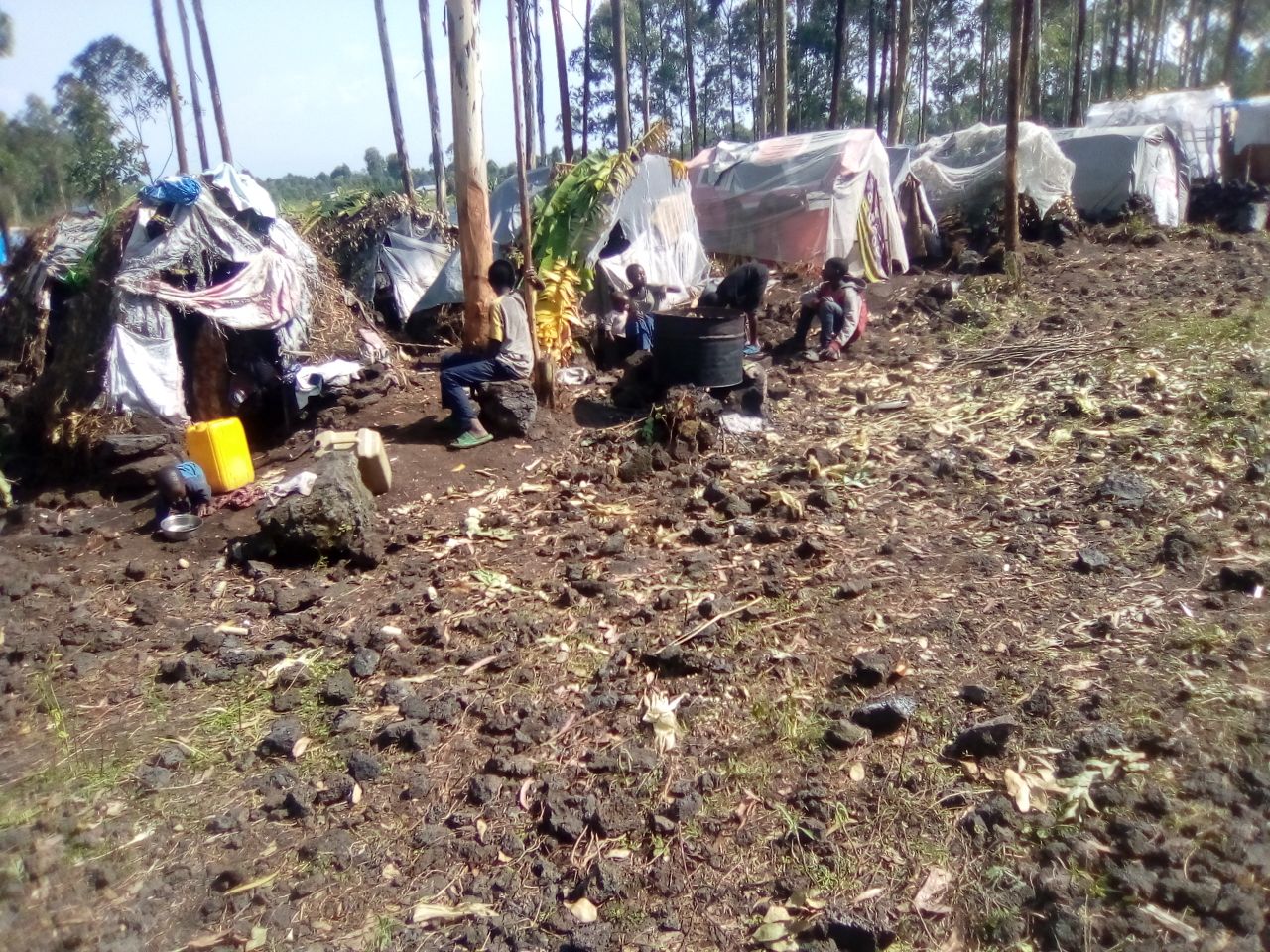
- Leadership
- Peace & Security
- Environment
- Gender-based Violence
- Education
- Girl Power
- Global