
PAPUA NEW GUINEA: From Isolation to Education, Breaking the Silence Around Menstruation
Jul 14, 2025
story
Seeking
Encouragement
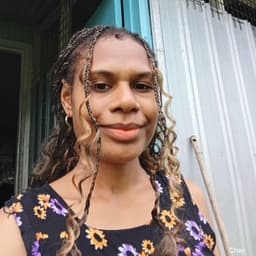
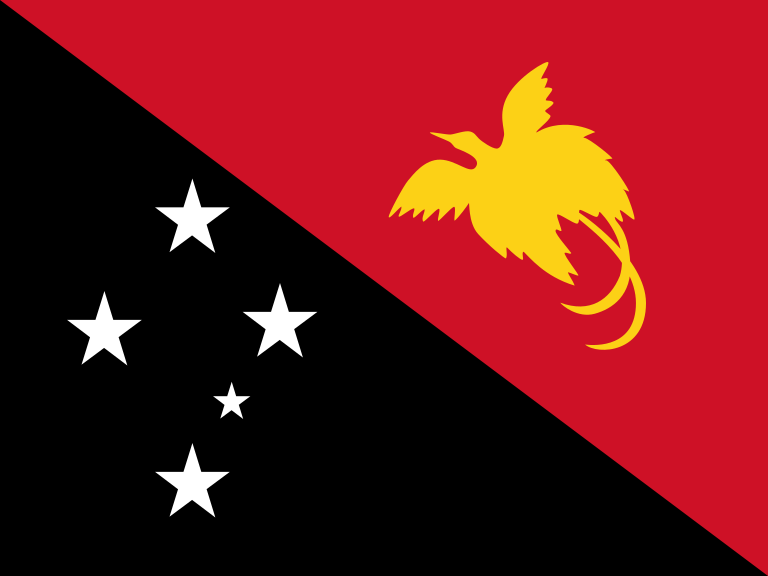
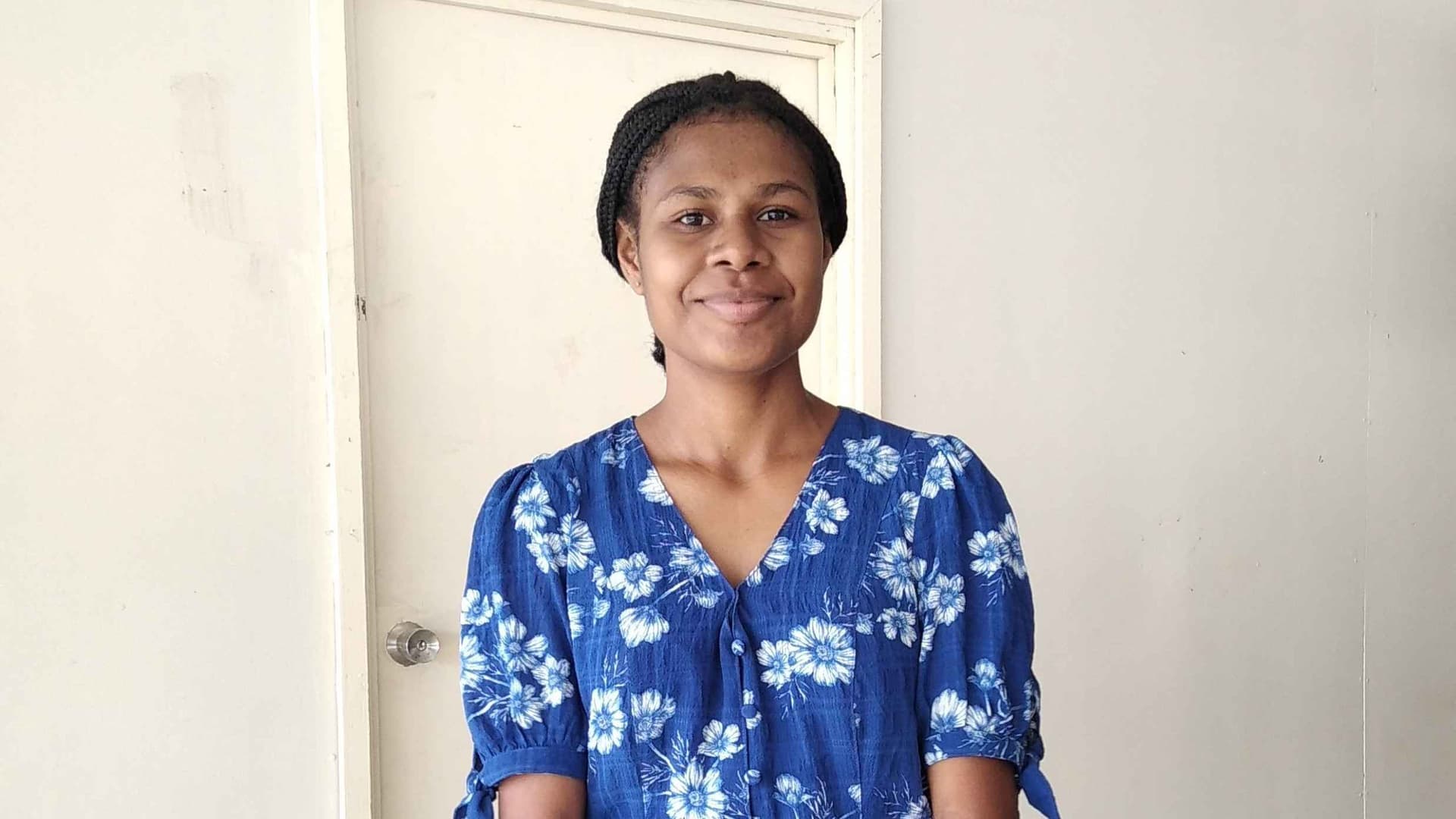
Photo Credit: Shayshay
Shayshay
Sheryl shares how women in her Papua New Guinea village are challenging the traditional week-long menstrual isolation by advocating for open education and discussion.
As women like my cousins and I bridge traditional and modern worlds, we're helping write a new chapter for Papua New Guinea's daughters.
My name is Sheryl, and I am from Kosakosa, a small, beautiful village along the coast of Papua New Guinea that is rich in customs and traditions. When a girl gets her first period, my village holds a traditional practice passed down through generations.
When menstruation begins, mothers and aunties place girls in an initiation house for about a week. The belief is that a woman's first period makes her unclean, requiring separation from men and boys to protect the community. During this isolation, the girl lives apart from her family while her mother and aunties care for her, teaching her about the responsibilities of womanhood.
The restrictions are extensive and symbolic. She cannot touch her own body or hold food with her hands — eating only with utensils and scratching her itch with bamboo sticks. School attendance stops until her menstruation ends, with parents informing teachers their daughter will be absent due to her first period.
The community believes that failing to follow these traditions will bring lifelong challenges. Girls must not come close to men nd boys because of the traditional belief that menstruating women can make them sick or weaken their masculine strength. Even using the toilet requires her to cover her entire body to remain unseen. Washing is permitted only in the early morning or evening in the dark.
After a week, when her period ends, the cleansing ritual begins. Mothers and aunties gather special leaves from the bush for washing. This occasion is also a celebration for the family marking the transition of their daughter into womanhood.
Once the initiation is complete, she can touch food with her hands and assist her mother with household duties.
When I got my first period, I did not go through the whole initiation process because we lived in town. However, I was advised by my mother not to touch anything with my hands or even scratch my skin. I ate using a fork and spoon, but I was able to attend school. My cousins in the village, on the other hand, went through the complete initiation process.
This traditional practice is still actively observed in my village and throughout Papua New Guinea, where menstruation has historically been shrouded in silence, a pattern that persists in many areas today.
Yet change is emerging. Today, many people, especially women, are challenging the cultural barriers by educating both females and males about the menstrual cycle. Women have been advocating for open discussions about menstruation and working to normalize this topic, which is seen as taboo in Papua New Guinea communities.
This advocacy represents hope for a brighter future for women, girls, and mothers across Papua New Guinea. As women like my cousins and I bridge traditional and modern worlds, we're helping write a new chapter for Papua New Guinea's daughters — one where understanding replaces fear, and education illuminates what was once hidden in silence.
STORY AWARDS
This story was published as part of World Pulse's Story Awards program. We believe every woman has a story to share, and that the world will be a better place when women are heard.
- Health
- Salud menstrual
- Featured Stories
- Asia Pacific