
Peace Is Freedom: My Story of Faith, Family, and Self-Discovery
Sep 25, 2025
story
Seeking
Visibility


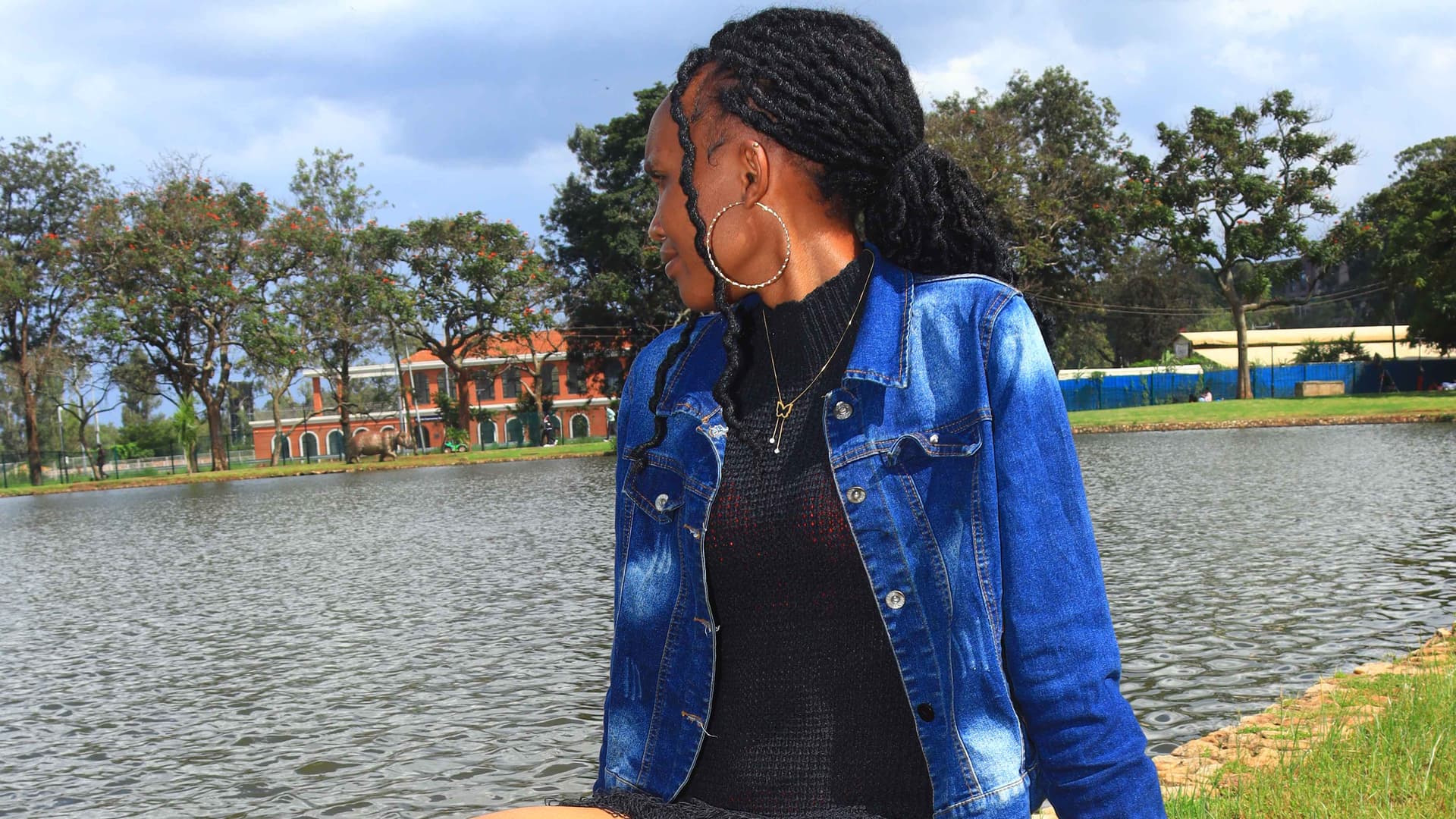
Peace, to me, has never been just the absence of conflict.
It is the freedom to dream, to choose my own path, and to live without fear of judgment. Yet for a long time, I lived in a version of “peace” that required me to silence myself so that others could be comfortable.
In 2023, my Sundays looked the same as they had for years. I would wake up, dress neatly, and attend church with my parents. Outwardly, I fit the image of the “good daughter,” but inside, I carried an ache I couldn’t name.
I still remember one Sunday morning. The choir’s voices rose in unison, people around me lifted their hands in worship, but my heart felt heavy. My lips moved to sing, but no sound came out. Instead, I stared at the stained-glass window, its colours glowing in the light, and wondered why it felt like I was watching life happen through glass. In that moment, I realised I didn’t belong there at least not in the way others expected me to.
Each time I sat in the pews, the questions in my heart piled up, unanswered. I wondered about faith, about the rules that didn’t make sense to me, about why my doubts were treated as weakness instead of a search for truth. I tried to silence those questions because I didn’t want to disappoint my family. Every Sunday became an act of performance I wasn’t there for myself, but for my parents.
At first, it seemed easier to go along than to resist. I told myself, maybe this is what peace is: keeping the family happy, avoiding conflict, blending in. But that “peace” came at the cost of silencing my own voice.
The Breaking Point
The turning point came when the silence became unbearable. I realised that each Sunday I walked into church, I left myself at the door. I could no longer pretend that going to church was nourishing my spirit. It wasn’t rebellion for rebellion’s sake—it was survival.
When I finally told my parents I didn’t want to go anymore, the reaction was exactly what I feared. They were disappointed, hurt, and even angry. In our home, faith wasn’t just personal; it was cultural, traditional, and deeply tied to identity. My choice felt to them like rejection not only of the church, but of them.
Arguments followed. My father insisted that I was throwing away the right path. My mother worried I was losing my way. I was labelled “rebellious,” and at first, I carried that word like a wound. But slowly, I began to see it differently: sometimes rebellion is simply choosing yourself.
The Lonely Road
When I stepped away from church, the journey was not easy. It was lonely. I didn’t have a roadmap for spirituality outside of the traditions I was raised in. There were nights when doubt overwhelmed me: What if they’re right? What if I’ve lost my way?
But in that solitude, I also found clarity. Without the noise of trying to fit in, I could finally hear myself. I began reading, reflecting, meditating. I asked my questions freely and sought answers not to please anyone else, but to find meaning for myself.
It wasn’t a straight path there were still moments of guilt, still moments when I missed the comfort of belonging somewhere. But slowly, something remarkable happened: I began to feel peace. Real peace.
Peace was not the absence of conflict with my parents. It was not the image of harmony painted by society. Peace was the quiet recognition that I was living my truth, even if others didn’t understand it yet.
Reconciliation
Over time, something shifted at home too. My parents, though they never fully agreed with my choices, began to see that forcing me into church wasn’t bringing us closer it was pushing us apart. They stopped insisting, stopped pressuring, and slowly allowed me to walk my path.
That small act of letting go was, in its own way, an act of love. It didn’t mean they stopped hoping I would return to church, but it meant they respected my right to choose. And that respect created a new kind of peace in our home.
Today, my relationship with my parents is still strong, not because we agree on everything, but because we’ve learned to give each other space to be different. I am no longer the daughter who sits silently in church, but I am still the daughter who loves them deeply.
My Understanding of Peace
When I reflect on what peace means to me now, it is not blind obedience, nor the absence of questions. Peace is freedom the freedom to search, to question, to grow, to live in alignment with my truth.
Peace is not always comfortable. Sometimes it means standing alone, sometimes it means enduring misunderstanding, and sometimes it means being called “rebellious.” But it is worth it, because without peace within yourself, you cannot truly have peace with others.
A Call to Action
To anyone reading this who feels trapped in expectations that don’t align with your heart, whether in faith, career, or personal choices, know this: your peace matters. It is not selfish to choose it. In fact, it is necessary.
Parents, leaders, and communities must also learn that peace cannot be forced. True peace grows where respect exists, where questions are welcomed, and where diversity of thought is embraced.
If I could speak to global leaders about peace, I would tell them this: peace does not begin in negotiation rooms. It begins in homes, in families, in everyday choices to respect the humanity of one another even when we do not understand or agree.
Peace Is…
Peace is choosing yourself without apology.
Peace is allowing others to walk their path.
Peace is the courage to ask hard questions.
Peace is the love that remains even after disagreement.
I once thought peace meant blending in. Now I know peace means belonging to myself.
- Peace & Security
- Girl Power
- Peace Is
- Becoming Me
- Global