
Peace Is Nurturing the Conditions for People to Flourish
Sep 27, 2025
first-story
Seeking
Collaboration


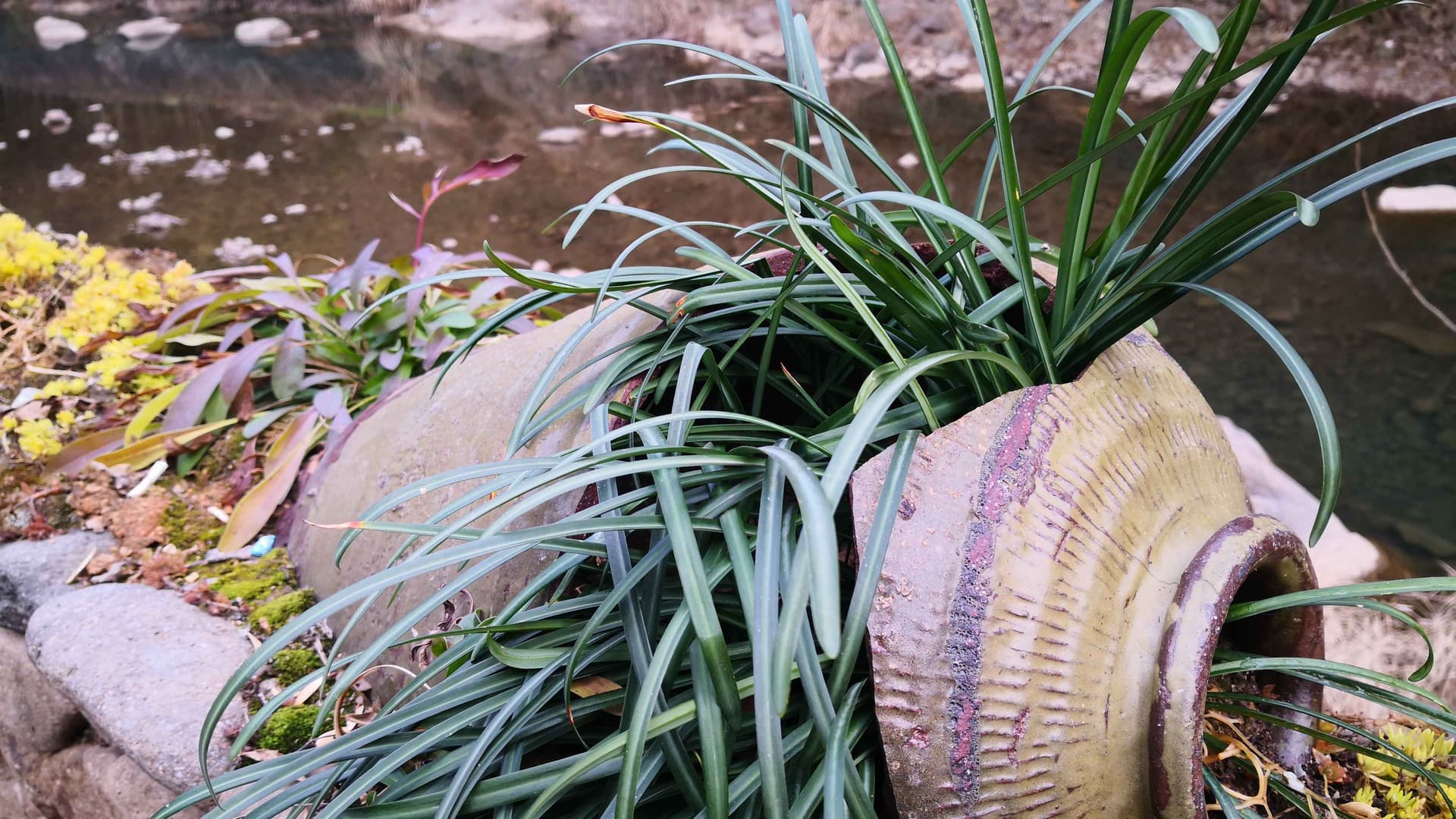
Photo Credit: Adina-Iuliana Deacu
It is within all of us to design nurturing conditions for people to flourish
Peace, for me, is not only the absence of war or violence. It is the presence of environments—both physical and social—that allow people to feel safe, to express themselves, and to grow into who they truly are. It is the ability to walk through a city without fear, to study or work in a space that supports well-being, and to be part of communities that value diversity instead of suppressing it. Peace is not a faraway dream negotiated at high-level tables. It is an everyday practice, built in the ordinary moments of our lives.
My journey toward peacebuilding has not taken place on a battlefield, but in the quieter, overlooked corners of daily life: in classrooms, coworking spaces, and city streets. A few years ago, I founded Tianmei’s World Academy, a decentralized “network of classrooms” cross-cultural, cross-disciplinary educational platform that reimagines education as a community-driven process. The Academy was born out of a recognition that many people—especially women, young professionals, and those with multiple interests—struggle to find belonging in rigid, competitive systems. These are people who are often told they are “too scattered” or “not focused enough,” as if their curiosity were a weakness rather than a strength.
In our spaces, however, their diverse skills and interests are not only welcomed but celebrated. Through environmental psychology and systems thinking, we consciously design nurturing learning environments where participants can build confidence, discover their strengths, and connect across cultures. Instead of measuring success by narrow outcomes, we measure it by whether people feel safe to explore, to share, and to grow.
I have seen first-hand how peace emerges in these small but powerful moments: when a participant feels safe enough to share their story for the first time, when two strangers realize that their “puzzle pieces” fit together, or when someone learns to love themselves enough to step out of a toxic cycle of self-doubt. These moments may appear ordinary from the outside, but they are the seeds of peace. They prevent conflict by creating belonging. They foster resilience by reminding people that they are not alone. They plant hope by showing that transformation is possible in community.
One story stays with me vividly. During a workshop, a young woman who had always been told that her many interests made her “unreliable” began to see herself differently. She realized that what others called scattered was in fact her ability to connect across disciplines, cultures, and ideas. For the first time, she described herself not as broken but as whole. Watching her shoulders relax and her voice steady as she claimed this truth was, for me, an unmistakable moment of peace. It was not dramatic, but it was profound.
In parallel, my research at the Research Institute for Sustainability (RIFS) examines business and infrastructure through a similar lens. I argue that business should not be defined solely by profit extraction but by its ability to solve social issues and create social value in financially sustainable ways. From this perspective, railways, ports, and cities are also not just economic infrastructures but potential peace infrastructures. When designed consciously, they can connect people rather than divide them, reduce stress rather than amplify it, and generate opportunities for cooperation rather than competition.
For example, trains are often seen simply as a low-carbon mode of transport. Yet they are more than that. They are social infrastructures in motion—spaces where people from different regions, cultures, and walks of life share the same journey. If designed with intention, trains can provide not only mobility but also encounters, reflection, and even healing. This reframing turns infrastructure into an instrument of peacebuilding.
What ties both strands of my work together is the conviction that peace is built through environments—whether in a classroom, a company, or a city. When environments are designed to nurture rather than exploit, people thrive. And when people thrive, they become agents of peace in their own families, workplaces, and communities.
Peacebuilding is too often framed as a response to violence, something reactive and external. But I believe peace also begins within. At the Academy, one of the recurring themes that emerges in discussions is the difficulty people have in loving themselves. Many realize that their struggles in relationships, work, or society stem from an inner battle where they feel inadequate, unseen, or undervalued. In helping them build environments that affirm their worth, we create conditions where inner peace can grow. And inner peace is never isolated; it radiates outward. People who feel at peace with themselves are more likely to contribute to peace in their communities.
If I could share one message with global leaders, it would be this: peace is not delivered through treaties alone; it is cultivated in everyday spaces. It is in the classroom where a child is encouraged rather than silenced, in the workplace where collaboration replaces competition, in the city street where diversity is celebrated rather than feared. To build lasting peace, we must invest in environments that strengthen self-confidence, inclusion, and collaboration. We must redefine productivity and progress so that they are measured not only in economic terms but in how well they allow human potential to flourish.
This is not an abstract idea—it is a daily reality I have witnessed. I have seen how the design of a space can either foster exclusion or open doors to belonging. I have seen how businesses that measure their worth by social value, rather than only by profit, contribute to resilience in times of crisis. And I have seen how individuals who once doubted themselves step into leadership roles when given the right conditions. Each of these examples is peace in action.
For me, peace is the ability to create these environments and watch as individuals reclaim their dignity, their confidence, and their voices. It is to see someone move from isolation to connection, from silence to expression, from self-doubt to self-trust. In nurturing those conditions, we are nurturing peace.
True peace is not passive. It is active, dynamic, and alive. It grows in the spaces we design, the systems we create, and the relationships we nurture. My journey continues to teach me that peace is not something we wait for others to grant us. It is something we can build together, here and now, in the environments we inhabit every day.
Peace is nurturing the conditions for people to flourish. And when people flourish, peace becomes possible—not only for individuals but for communities, societies, and the world.
- Leadership
- Peace & Security
- Education
- First Story
- Moments of Hope
- Stronger Together
- Peace Is
- Global