
PEACE: THE ROAD TO HEALING, REBUILDING &PROGRESS
Sep 30, 2025
story
Seeking
Action


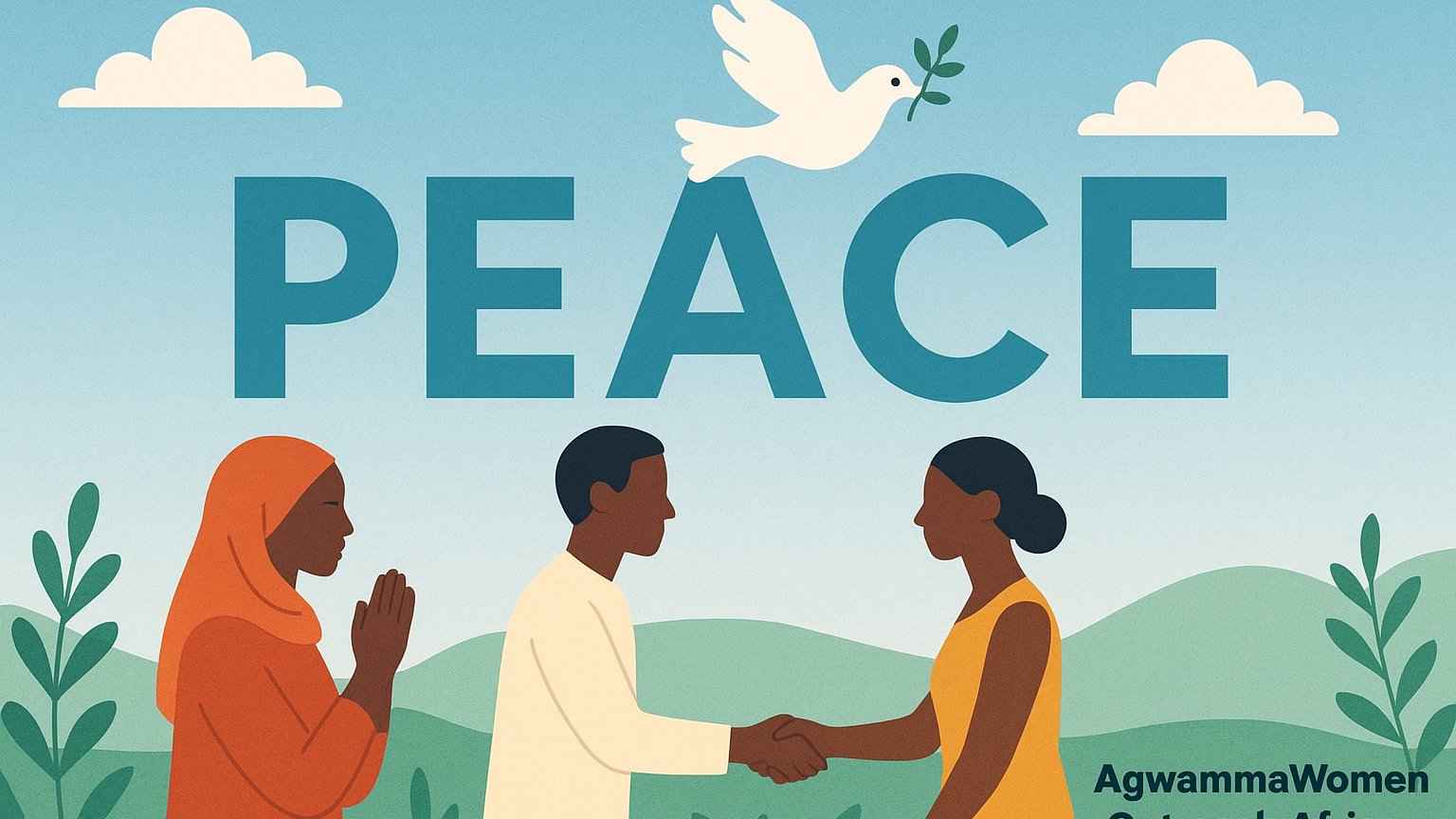
✌️PEACE✌️
The Road to Healing, Rebuilding & Progress
Peace is universally recognized as the cornerstone of human survival, dignity, and development. It is not merely the absence of war but the presence of justice, security, and harmony in human relationships and societies.
In our daily lives, peace is reflected in the ability to interact with respect and tolerance, to pursue education or work without fear, and to resolve conflicts through dialogue rather than violence.
At an emotional level, peace means a sense of inner calm, stability, and freedom from anxiety. At a practical level, it translates into functioning institutions, equal opportunities, and safe communities where individuals—especially the vulnerable—can thrive.
Yet, across many regions of the world, particularly in Africa, peace remains elusive. Conflicts, insecurity, and crises disproportionately affect women and girls, exposing them to unique vulnerabilities. In times of war, women and girls are often subjected to sexual violence, exploitation, and displacement. Schools become unsafe, leading to a surge in dropouts among young girls. Families facing hardship may force girls into early marriage or labor. These consequences strip women of their rights and silence their voices, limiting their potential contributions to peace building and national development.
According to UN Women, in many conflict-affected societies, women bear the burden of sustaining households and communities while simultaneously being excluded from decision-making spaces where peace is negotiated.
Despite these challenges, women and girls continue to resist, survive, and lead for peace. History and contemporary experiences illustrate their resilience. Women’s grassroots movements have mediated community disputes, advocated for justice, and demanded accountability for human rights violations. They often form support networks, providing food, healthcare, and education in refugee camps or crisis zones. Globally, the role of women in peace processes is well recognized in UN Security Council Resolution 1325 (2000), which emphasizes women’s participation as essential in conflict prevention, resolution, and post-conflict reconstruction.
In Africa, women have led peace protests in Liberia, mediated tribal disputes in Kenya, and pioneered community reconciliation initiatives in Nigeria and South Sudan. Their courage demonstrates that peace is not only the work of statesmen but also of mothers, daughters, and community leaders who refuse to allow violence to define their futures.
✅To make peace attainable and sustainable, global leaders must take decisive actions now.
🌟Women, girls and children protection in conflict zones must be prioritized by enforcing international humanitarian laws and ensuring accountability for perpetrators of sexual and gender-based violence.
🌟Second, investments in girls’ education, youth & Women economic empowerment should be scaled up, as education equips girls, youth & women with the tools to resist oppression and actively contribute to governance and peace building.
🌟Third, women must be included as equal partners in peace negotiations, leadership positions not as symbolic figures but as decision- Policy makers with legitimate authority. Political parties should demolish high cost of running campaigns which hinder women from contesting in elections like what we have in my country Nigeria. In Nigeria, just picking a form to contest for an election runs into millions of Naira which most intellectual women interested to run to join make peace attainable cannot afford.
🌟 Fourth, the root causes of instability—poverty, corruption, inequality, and weak governance—must be addressed through inclusive policies and international cooperation.
🌟Lastly, world leaders must strengthen platforms like the just concluded UNGA @80 recently held in United states for effective dialogue and cultural understanding across nations, continents thereby reducing mistrust and preventing world crises from escalating into violence.
In conclusion, peace is both a personal and collective journey. It begins with inner calm and respectful daily interactions but extends to just political systems and inclusive governance structures. The struggles and resilience of women and girls in conflict zones remind us of the urgent need for justice, security, and participation. By listening to their voices and acting on frameworks such as UNSCR 1325- a United Nations Security Council resolution adopted in 2000 that, calls for increased participation of women around the world in all levels of national peace processes, including conflict prevention, negotiation, peace building, and post-conflict reconstruction; and demands protection of women and girls from gender-based violence during crises and conflicts resolutions.
Global leaders can transform peace from an aspiration into a lived reality for all. Ultimately, peace is not only possible—it is indispensable for the survival and progress of humanity.
©2025|Jaclyn Iwu
Founder|Agwamma Women outreach Africa
CEO|Agwamma Media Consulting Abuja Nigeria
- Human Rights
- Leadership
- Peace & Security
- Peace Building
- Peace Is
- Global