
Personal is political
Aug 31, 2025
update
Seeking
Action

🌿 The Personal Is Political: Why I Tell My Story to Light the Way Forward
The personal is political.
For many of us working in care systems, this phrase isn’t just theory—it’s lived reality. Every time I sit with a survivor, every time I speak on a panel, every time I write about suffering, I’m reminded that what we call “personal pain” is often the result of political neglect, cultural silence, and systemic failure.
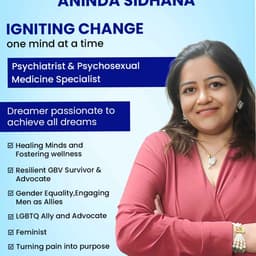
I didn’t always speak openly about my own story. As a psychiatrist trained in clinical rigor, I was taught to maintain distance. To observe, not reveal. To treat suffering as a symptom, not a signal. But over time, I began to see the cracks—not just in individuals, but in the systems around them. I saw how silence was rewarded, how visibility was punished, and how survivors were often expected to either disappear or perform their pain for others.
That’s when I began to understand the Papageno effect.
🕊️ What Is the Papageno Effect?
In Mozart’s The Magic Flute, Papageno prepares to end his life after losing love. But he’s interrupted—not by force, but by care. Others offer him alternatives. He chooses to live.
This moment gave rise to the Papageno effect—a phenomenon in suicide prevention where stories of people who’ve survived suicidal ideation and found support can actively reduce suicidal thoughts in others. These stories don’t glamorize suffering. They offer something far more powerful: proof that survival is possible, and that help exists.
As someone who designs care infrastructures and survivor-informed frameworks, I see this effect not just as a media guideline—but as a blueprint for reform. It reminds us that storytelling, when done with emotional safety and consent, can be a clinical intervention. A form of advocacy. A communal act.
📖 Why I Tell My Story
I don’t tell my story to invite sympathy.
I don’t tell it to evoke empathy.
I tell it because someone else might be standing at the edge—unsure if their pain is valid, unsure if they’re allowed to speak, unsure if survival is even possible.
I tell it to say: You are not alone. Your story matters. And survival is not shameful—it’s revolutionary.
This is why lived experience matters.
It gives others the courage to break their own silence.
To name what was once unspeakable.
To reclaim their narrative—not as pathology, but as power.
💡 What the Papageno Effect Teaches Us
- Survivors don’t owe their pain to the public. But when they choose to share—on their terms—their stories can become lifelines.
- Media must move beyond voyeurism and toward hopeful, boundary-centered storytelling that centers alternatives, support systems, and the right to heal privately.
- In care systems, boundaries are not optional. They are clinical tools. Visibility without consent is harm. Storytelling must be scaffolded with dignity.
🎤 Where I Carry This Work
In panels like MIDCIPS 2025, in academic forums, and in survivor-led circles, I continue to map this effect into:
- Visual clarity for emotionally intelligent messaging
- Narratives of hormonal mental health and positive masculinity
- Frameworks for psychiatric reform that honor privacy, relational repair, and communal healing
I’ve seen how survivor-informed storytelling—when held with care—can shift entire ecosystems. It doesn’t just prevent harm. It reframes suffering as systemic, not shameful. It dignifies pain. It builds bridges.
🌍 To My Global Sisters and Fellow Reformers
If you are a survivor, a storyteller, a reformer: your voice matters.
Not because it’s perfect. But because it’s real.
And real stories—when shared with care—can guide others through the dark.
Let’s center the Papagenos.
The ones who stayed.
The ones who rebuilt.
The ones who now light the way forward.
Let’s build systems that don’t just respond to crisis—but honor the quiet courage of those who speak, survive, and reform.
Let’s remember: the personal is political. And when spoken with dignity, it becomes collective.
PapagenoEffect #SurvivorLedAdvocacy #SuicidePrevention #EmotionalLiteracy #PsychiatricReform #BoundariesAreCare #HealingIsPolitical #NarrativeMedicine #LivedExperienceMatters #BreakTheSilence #WorldPulseVoices #GlobalSisterhood #SystemicHealing #PostpartumMentalHealth #PositiveMasculinity #HormonalMentalHealth #PersonalIsPolitica
- Gender-based Violence
- Digital Ambassador Events
- Training - Measuring Your Impact
- Training - Impact Lab Training
- South and Central Asia