
Planting Courage: How One Woman Grew a Business Against All Odds
Jun 20, 2025
first-story
Seeking
Encouragement


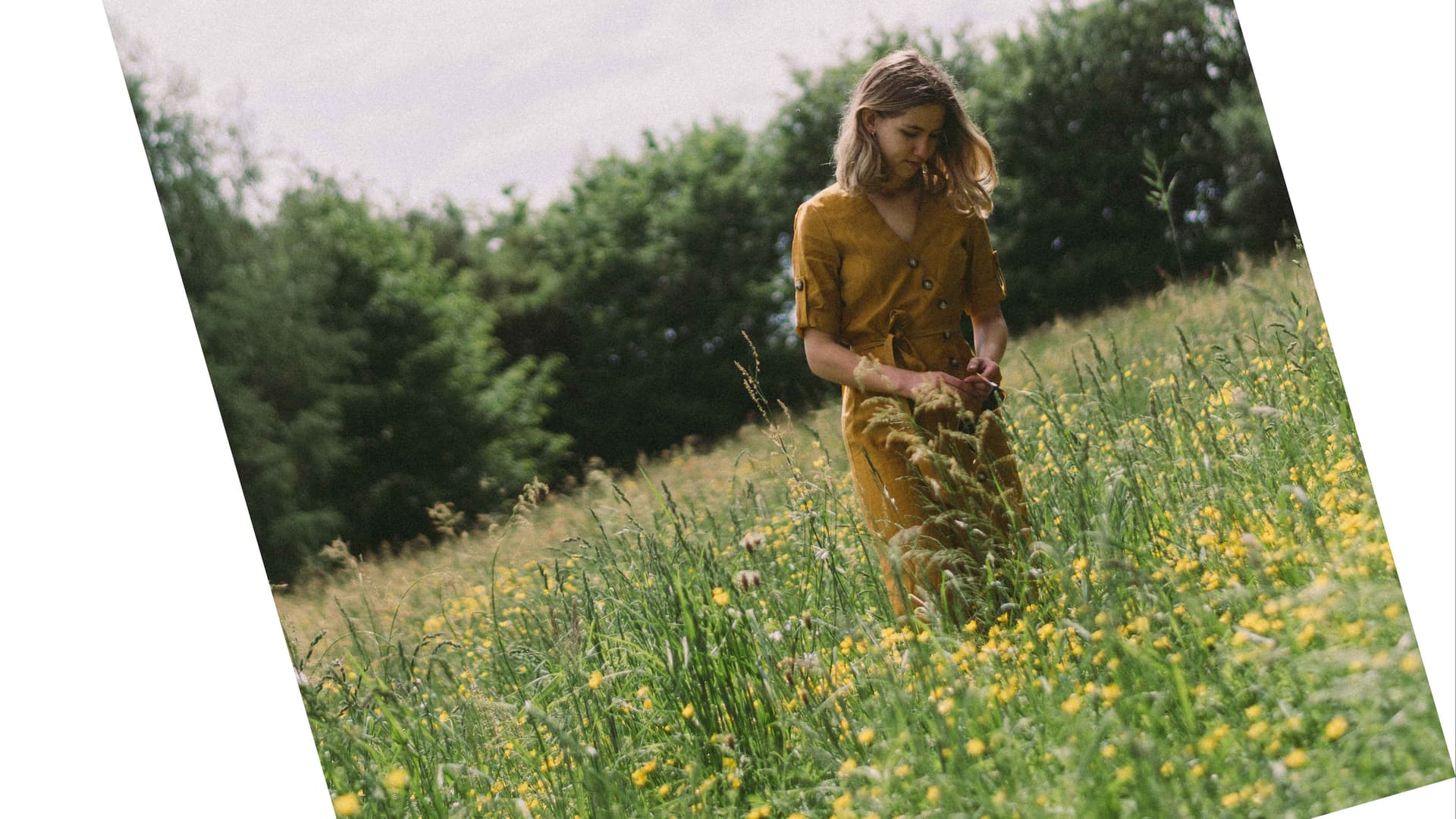
"Where there is a will, there is a way."
We’ve all heard the proverb. But for Sadia Rahman, it’s not just a saying — it’s a testimony of survival.
Sadia was born in a remote village in South Asia, in a community where girls were rarely encouraged to dream. Like many girls her age, she went through life quietly, carrying unspoken hopes for education and independence. But when her father passed away suddenly, she was just 14 — and her world began to close in.
With three daughters to care for, Sadia’s mother was overwhelmed. The village began to whisper: “What’s the point in educating a girl?” and “Better marry her off before something happens.” Pressured by fear and tradition, her mother arranged Sadia’s marriage — against her will — at just 15.
By 20, Sadia was already the mother of two children. Her husband was still a student, struggling through high school. Financial pressures mounted. Her father-in-law demanded they give up their studies and focus on the household. Sadia was heartbroken — not only for her own dreams, but also for her husband’s future.
But she didn’t give up.
With quiet resolve, she convinced her husband to move into her mother’s home in the city, where they could both return to school. After a five-year gap, Sadia enrolled in ninth grade alongside her younger sister, while her husband resumed his studies.
They faced ridicule. They hid their ambitions from Sadia’s father-in-law. But her mother-in-law offered quiet encouragement from behind the scenes. With persistence, Sadia passed her exams, and her husband graduated as well. Still, he couldn’t find a job. In desperation, he took out a loan to secure work — only to be scammed. The debt ballooned fivefold.
Then the pandemic hit.
Jobless, broke, and burdened by debt, the couple found themselves on the edge of despair. One day, her husband said, “Let’s end our lives together.”
That night, Sadia didn’t sleep. She cried silently, staring at the ceiling — and made a decision: this would not be the end.
She found a Facebook group called WE (Women & e-Commerce), where other Bangladeshi women shared stories of building businesses from home. Their courage sparked something in her. She realized: she had land in the village, mango trees in the family orchard, and a knack for making food products — what if she used that?
In 2020, she started her business, calling it **Sandhani Foods**. She began with a few social media posts, selling mangoes, date molasses, ghee, and spice blends. She packed them herself, sent them via courier, and learned everything — from packaging to customer service — by watching YouTube tutorials.
People doubted her. Some laughed. But Sadia pushed on.
Today, Sandhani Foods is a recognized name in her community. From village-grown mangoes to pesticide-free lentils, organic ghee, hand-ground spices, and cooked meals — Sadia’s enterprise supplies it all. She now employs 10 local women — empowering them the way she wished someone had empowered her.
Recently, she leased 10 bighas of pond area to begin fish farming, expanding her business into an integrated model: farming, aquaculture, and food processing — all in one.
“I don’t want to be known as someone’s daughter, wife, or sister anymore,” she says. “Now, people just call me ‘Sadia Apu’ — and that name is enough.”
Her children attend school in the city. Her husband now manages logistics and accounting for the business. Together, they’ve rewritten the story of their lives.
Sadia dreams big. “I don’t want to compete with giant corporations. I just want to make sure that every home in Bangladesh — and one day maybe the world — has access to food that comes from the land, not from a factory.”
In an age of artificial everything, her story reminds us that no seed is ever truly lost — if we have the courage to nurture it.
- Girl Power
- Education
- Peace & Security
- Economic Power
- Human Rights
- Gender-based Violence
- First Story
- Global