
Proactive Website Security: Protecting Your Brand Reputation from Cyber Threats
Jul 14, 2026
first-story
Seeking
Connections


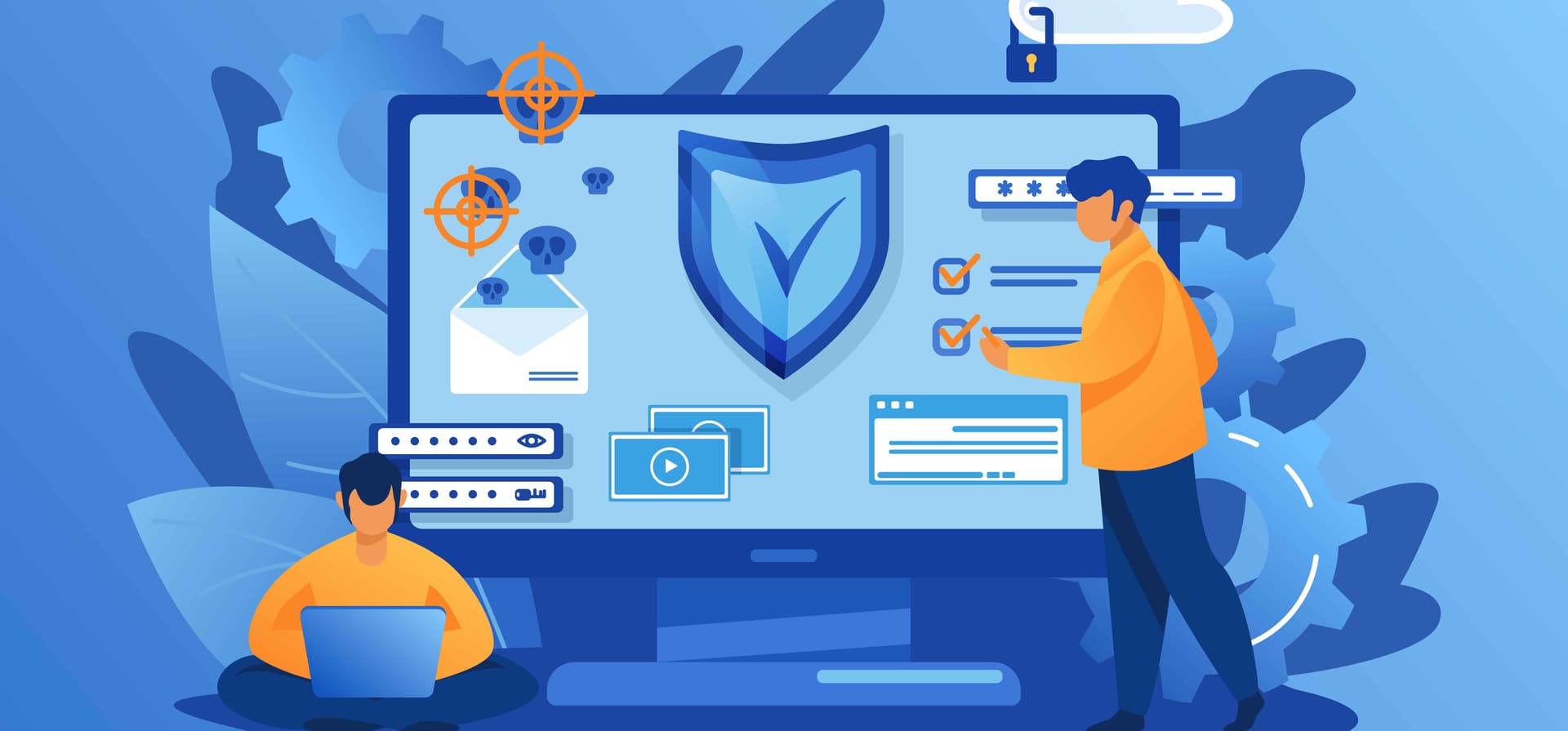
Cybersecurity threats have become increasingly fast-moving, sophisticated, and expensive. While reactive security remains an integral part of an organization's security posture, it’s no longer enough for brand protection from evolving threats. In fact, Ivanti’s 2025 State of Cybersecurity Report found that organizations continue to face a significant gap between the level of cyber threats they face and their preparedness to handle them effectively.
Proactive website security represents a fundamental shift from response-based to prevention-focused cybersecurity. Instead of waiting for incidents to occur, the approach prioritizes identifying, anticipating, and preventing cyberattacks before they can inflict damage on organizational systems.
So, what is proactive website security, and how does it help protect brand reputation from evolving cyber threats? Let’s discuss.
What is proactive website security and how it differs from reactive security?
Proactive security refers to the preventive measures businesses take to identify and eliminate vulnerabilities before cyberattacks occur. Reactive security, on the other hand, focuses on responding after an attack occurs. It primarily focuses on incident response, threat containment, and system recovery following attacks.
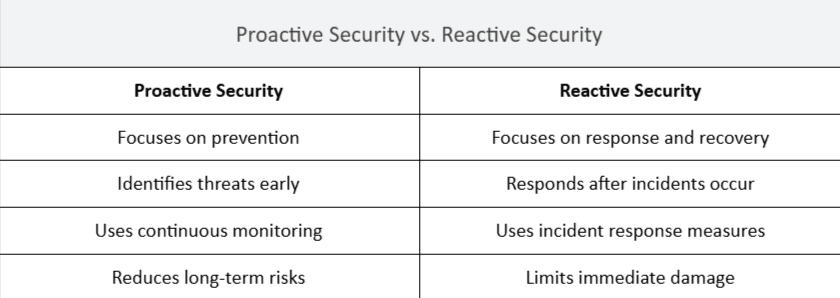
While reactive measures remain necessary, businesses today require proactive website security strategies for long-term brand reputation protection.
How can proactive website security help protect brand reputation from cyberattacks?
Brand reputation today is closely tied to digital reliability. Customers expect websites and digital platforms to remain secure, accessible, and trustworthy at all times. A single security incident, whether it involves data exposure, service disruption, or unauthorized access, can quickly damage customer confidence and public perception.
Proactive security strategies help businesses reduce exposure to cyber threats before they escalate into customer-facing security incidents. Here’s how:
1. Continuous vulnerability assessment
Continuous vulnerability assessment helps businesses identify weaknesses across websites, applications, plugins, and third-party integrations before attackers can exploit them.
Operationally, this helps organizations:
Prevent vulnerabilities from becoming publicly exposed security incidents that damage customer trust.
Reduce the likelihood of customers abandoning platforms perceived as unsafe or unreliable.
Maintain secure and reliable digital experiences that strengthen long-term customer confidence.
Why it matters: Customers are significantly less likely to share payment information or personal data on websites associated with security warnings, malware infections, or repeated breaches. Continuously assessing vulnerabilities helps businesses maintain the level of security users expect from trusted digital platforms.
2. Real-time threat monitoring
Real-time monitoring continuously tracks website activity, user behavior, and network traffic to detect suspicious behavior before it escalates into major security incidents.
This enables businesses to:
Detect unauthorized access attempts before customer accounts or sensitive data are compromised.
Reduce downtime and service disruptions that negatively affect customer experience and brand perception.
Demonstrate reliability by maintaining secure and uninterrupted digital interactions.
Why it matters: When customers experience account takeovers, failed transactions, or repeated website outages caused by cyberattacks, trust in the brand often declines rapidly. Continuous monitoring helps businesses identify and contain these threats early, reducing the likelihood of visible disruptions that can impact customer confidence.
3. Automated security updates and patching
Automated patching ensures vulnerabilities across operating systems, frameworks, plugins, and software dependencies are updated quickly and consistently.
In practice, this helps businesses:
Prevent attackers from exploiting known vulnerabilities that could expose customer or payment data.
Reduce reputational damage associated with preventable security breaches.
Maintain customer confidence by ensuring digital platforms remain secure and operational.
Why it matters: Many high-profile cyberattacks occur because known vulnerabilities remain unpatched despite security fixes already being available. Businesses that automate patch management reduce these exposure windows significantly, helping protect both customer trust and overall brand reputation.
4. Threat intelligence and risk anticipation
Threat intelligence helps organizations identify evolving cyberattack patterns, emerging vulnerabilities, and new exploitation techniques before they directly impact business systems.
This allows businesses to:
Strengthen preparedness against emerging threats targeting customer-facing platforms.
Make faster security decisions that reduce potential reputational impact from cyber incidents.
Maintain long-term trust by adapting security strategies alongside evolving attack methods.
Why it matters: Cyber threats evolve continuously, and businesses that fail to anticipate new attack methods often struggle to maintain customer confidence after security incidents occur. Proactive threat awareness helps organizations stay ahead of emerging risks while protecting the reliability and trustworthiness customers expect from modern digital brands.
Demonstrating a commitment to cyber threat protection not only protects sensitive customer data but also builds a positive reputation, leading to increased brand confidence and customer loyalty. Most businesses consider partnering with experienced providers like Unified Infotech. With years of experience in web development services and cybersecurity risk management, they help businesses build interfaces with proactive website security strategies.
Final thought
Today, the importance of robust website security cannot be overstated, particularly as data breaches and cyberattacks continue to increase in frequency and sophistication. The security of your website directly affects brand reputation, customer trust, and overall business continuity.
Businesses that invest in proactive security are better positioned to maintain secure digital experiences, protect customer trust, and reduce the reputational impact of evolving cyber threats.
- Technology
- Education
- Leadership
- First Story
- Our Impact
- Northern America