
Qandeel Baloch: The Woman Who Defied Pakistan’s Patriarchy and Paid with Her Life
Feb 21, 2025
story
Seeking
Encouragement


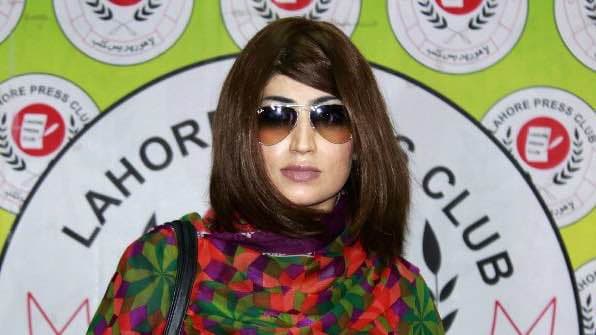
Qandeel Baloch was a name that sparked controversy, admiration, and ultimately, tragedy. Born Fouzia Azeem in 1990 in a conservative village in Pakistan’s Punjab province, she grew up in a society that expected women to be silent, obedient, and invisible. But Qandeel refused to conform. She became a social media sensation, using her voice, beauty, and charisma to challenge Pakistan’s rigid gender norms.
Her rise to fame was met with backlash. Her boldness made her a target. And on the night of July 15, 2016, she was murdered in the name of honor—by her own brother.
From Village Girl to Internet Sensation
Qandeel came from a poor family and endured a difficult childhood. She was married off at a young age to an abusive man, but she bravely left the marriage, an act that itself was seen as scandalous in Pakistan’s deeply patriarchal society. Determined to carve out a different future for herself, she reinvented herself as Qandeel Baloch, an aspiring singer, actress, and influencer.
By 2015, she had become one of Pakistan’s most talked-about social media stars. With her selfie videos, flirtatious messages, and outspoken personality, she amassed hundreds of thousands of followers. She spoke about women’s empowerment, sexuality, and freedom—topics that were largely considered taboo in Pakistan. She became known as the country’s Kim Kardashian, but unlike Western celebrities, her fame came with much greater danger.
Breaking Every Rule in a Conservative Society
Qandeel’s posts were provocative, but they carried a deeper message. She openly mocked the hypocrisy of Pakistan’s religious and political elite. She challenged the way women were expected to behave. She spoke of female independence, financial freedom, and self-love—ideas that resonated with young women but enraged traditionalists.
One of her most controversial stunts was when she shared photos with Mufti Abdul Qavi, a well-known Islamic cleric, in a hotel room. The photos, showing her playfully posing with him, humiliated the cleric, who had previously tried to act as a moral authority. Many saw her actions as a bold statement against religious hypocrisy.
But with every post, her enemies grew.
Threats, Fear, and Isolation
As her fame grew, so did the threats against her. She received constant death threats, both online and from her own family. She began seeking police protection, but her requests were ignored. She also wanted to leave Pakistan, sensing the danger she was in, but she couldn’t afford to escape in time.
In the days leading up to her murder, she had started to sound afraid. She expressed regret over some of her actions. But the media continued to exploit her, using her name for views, while her family and society branded her a disgrace.
The Honor Killing That Shocked the World
On the night of July 15, 2016, Qandeel Baloch was strangled to death in her sleep. Her own brother, Muhammad Waseem, carried out the murder. He proudly confessed to killing her, stating that she had brought shame to the family.
In a press conference, he smirked as he told reporters:
"Yes, I killed her. She was bringing dishonor to our family. I have no regrets."
Her father, heartbroken, called for justice. But in Pakistan, honor killings are common and often go unpunished. Families usually forgive the murderer, allowing them to walk free.
Justice and the Fight Against Honor Killings
Qandeel’s murder sparked international outrage. Women’s rights activists took to the streets, demanding justice. In 2019, after years of legal battles, her brother was sentenced to life in prison—a rare conviction in Pakistan’s honor killing cases.
However, in 2022, a court shockingly overturned the conviction, setting Waseem free. He walked out of prison, unrepentant. Many saw this as a sign that Pakistan’s legal system still fails women.
Her Legacy: A Symbol of Defiance
Qandeel Baloch was silenced, but her message lives on. Her story inspired a wave of activism against honor killingsand led to changes in Pakistan’s laws, making it harder for families to forgive honor killers.
She was not just a social media star—she was a rebel, a feminist, and a woman who dared to exist loudly in a society that wanted her silent.
Her final words in an interview before her death still haunt Pakistan:
"I want to inspire women who have been treated badly and controlled. I want them to fight for themselves."
And though she is gone, her fight continues.
- Human Rights
- Peace & Security
- Gender-based Violence
- Global