
Reducing the Sorrow to Bring Smile
Jan 21, 2015
story
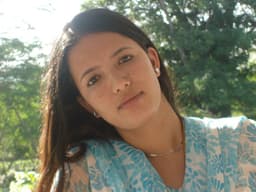

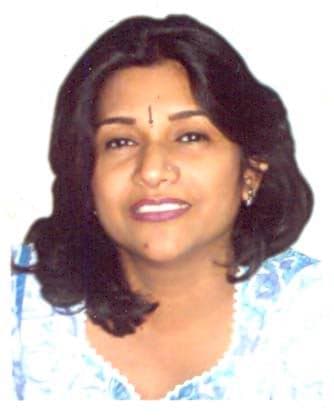
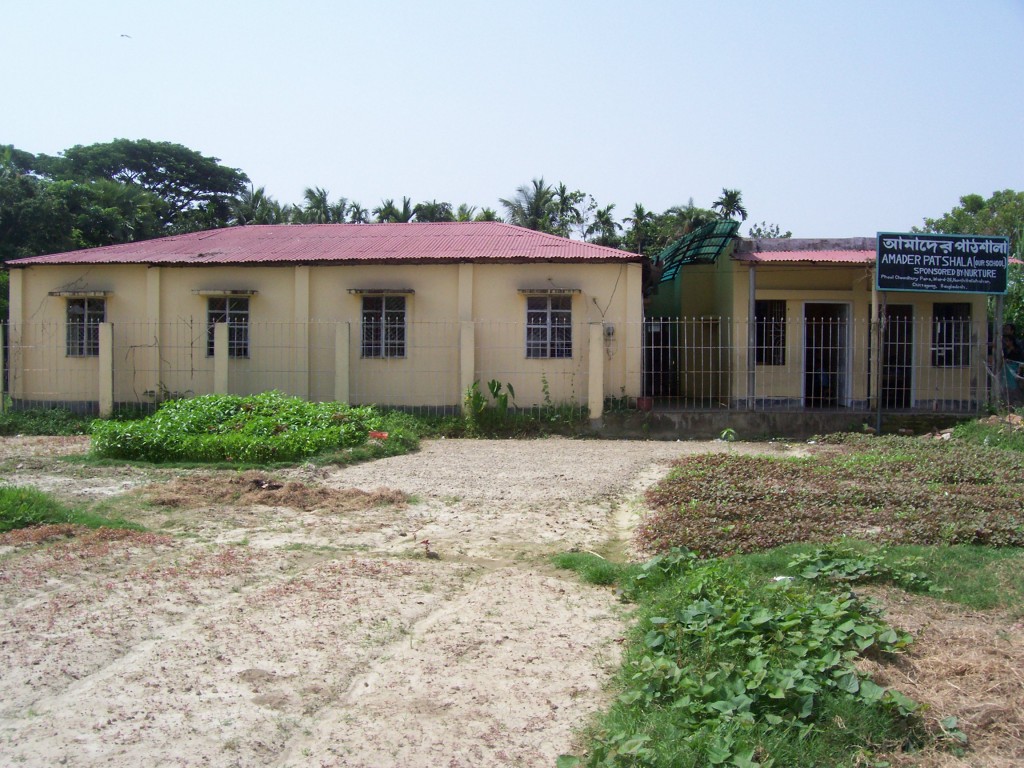
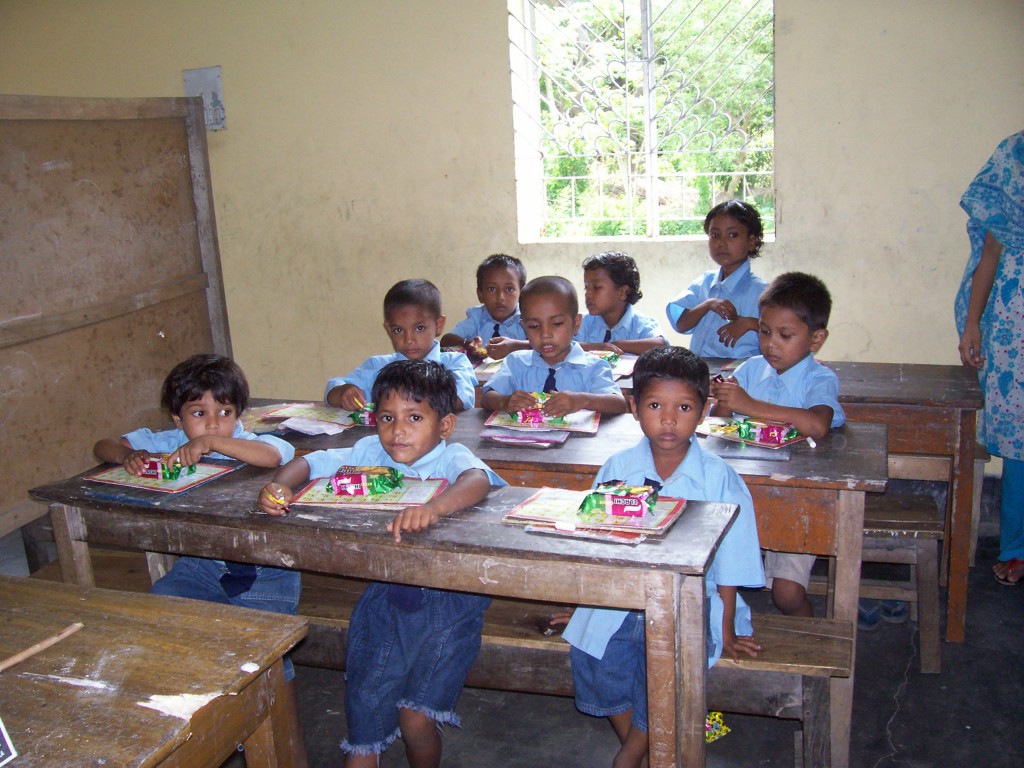
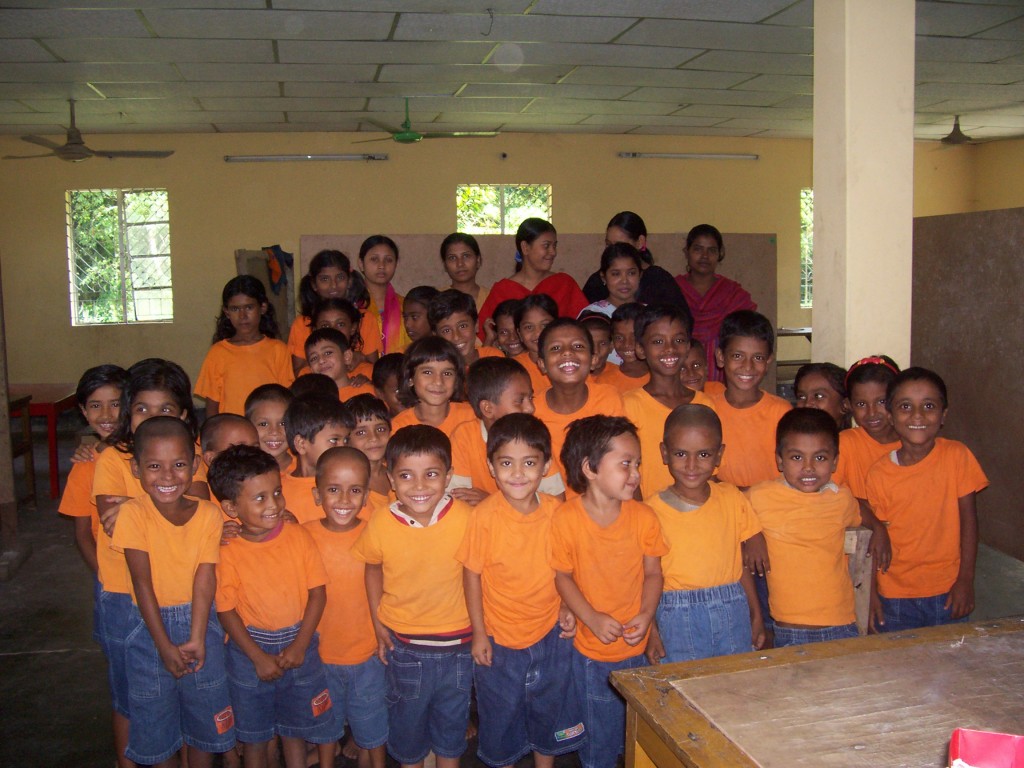
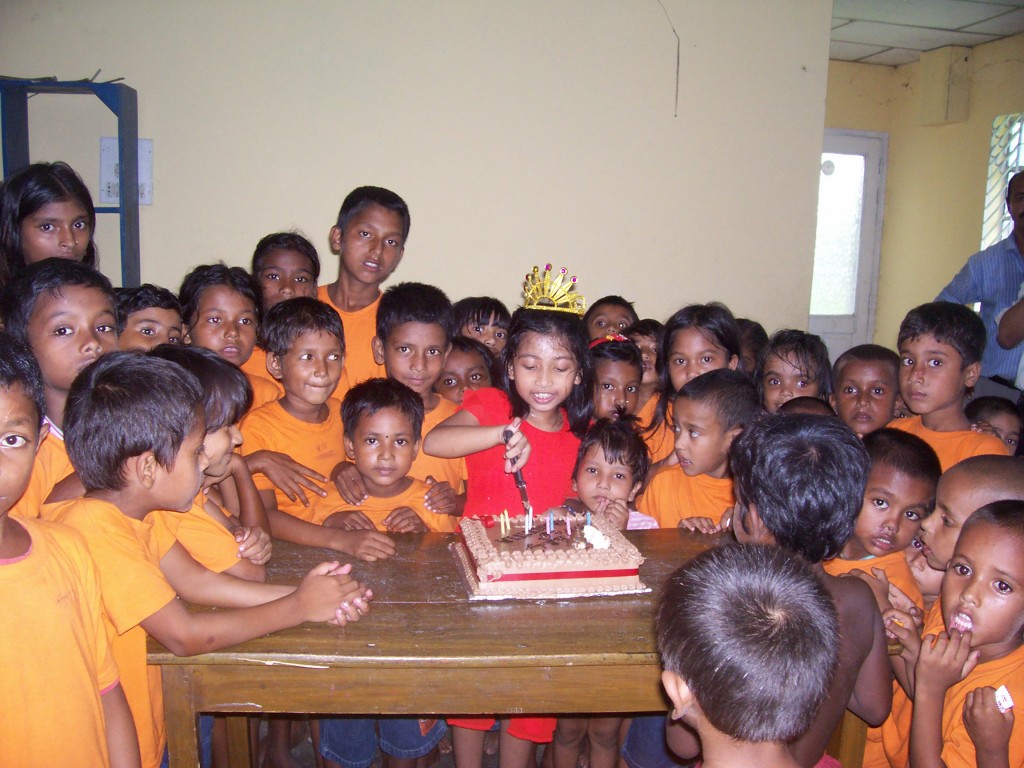
Nasreen Baqui (Shipu), a woman in her 40’s, is working for a noble cause. She is the daughter of a renowned barrister, a mother, a wife and a founder of a hospital and a school, started her academic career in St. Scholastic in 1978 and completed her intermediate studies in 1980. She discontinued her education in management at Chittagong University, when she had children – twin sons, Yasir and Yamin, and later her daughter, Samjana. Her both sons are studying at the National University of Singapore with 65% of their tuition fees paid for by a grant. Fortunately, being married and having children didn’t stop her from working in the community but provided a chance for her to understand the real world.
She said in a gloomy face “Whenever my children fell sick, or if I fell sick, I could always go to a doctor, since I was pretty solvent. But then, it struck me that poor people also fell sick, and they were unable to meet the doctor's fees and fell in great distress. I thought about them and I couldn't bear it. It was then, I decided, I should do something for these people.”
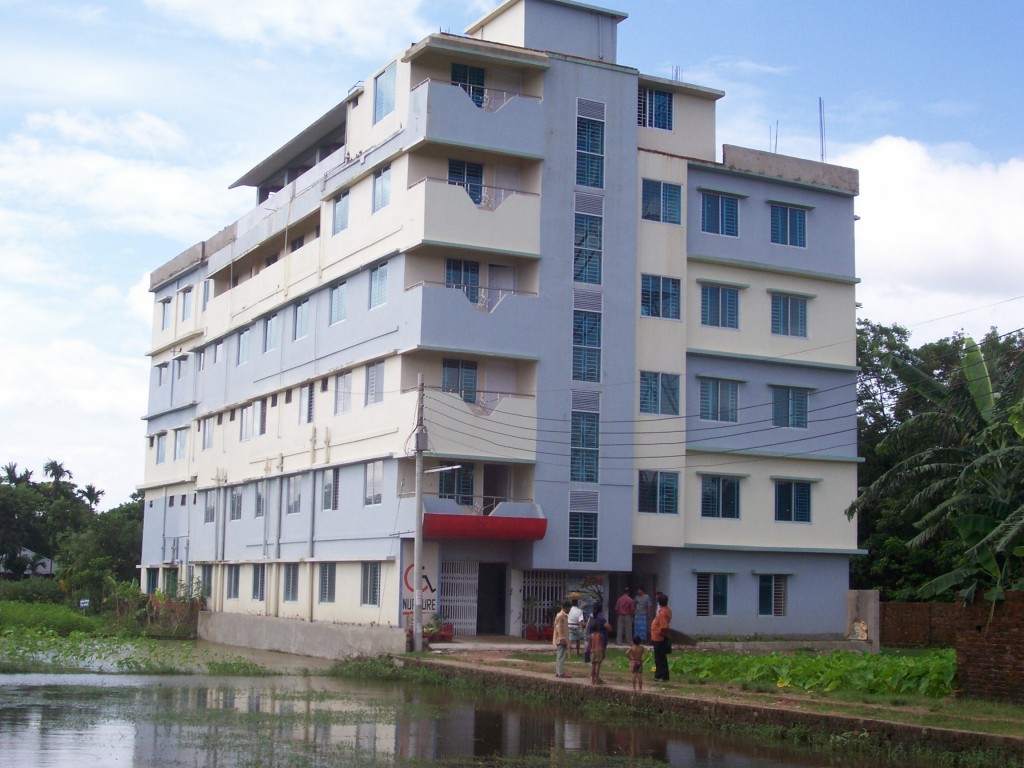
Realizing the situation, in 1994, Ms. Nasreen founded a charitable endeavor called Nurture's Centre for Disabled and Paralyzed in North Halishar, Chittagong. It is an 80- bed indoor, physiotherapy unit, with two operating theatres for orthopedic and reconstructive surgery. It also has an outdoor medical centre for primary health care and vocational training programs. She states that “Nurture is focused on spinal injury patients, leading to comprehensive rehabilitation of those paralyzed. At Nurture, a holistic approach to rehabilitation prevails. There are many factors that need to be considered for accident victims suffering from trauma. For these people to recover fully: they need support physically, mentally, socially, and economically.” To make this possible, most of the patients get free treatment.
Nurture also helps to train people to use basic computer skills such as Ms Word and Ms Paint thinking that patients will become independent and develop self respect. But currently, due to the lack of qualified instructors, they have temporarily suspended the program. Mean while, when working in the hospital, she sees many disadvantaged children, who live near the hospital. These children play with her daughter, and she has discovered that some of them were really intelligent. She smiled at me and said “I have always compared them to hidden flowers in remote bushes-brimming with as much potency as any successful student, but suppressed by the overwhelming burden of poverty.”
According to Bangladesh News Network (2009), about 47% of the country’s total population lies under the poverty line in rural areas.* At that point, Ms. Nasreen thought that one day she would open a school for slum children to better their education. She said “I had a dream to open a small school for the deprived and underprivileged children of our society. A sense of guilt creeps inside me, when I see these children next to my children, who have been brought up amidst so much opulence. I wished I could shower the tiniest fraction of this luxury onto the lives of these dispossessed masses. My dream has turned into reality when I opened Amader pathshala.”
Amader Pathshala, which means “Our School,” has 120 children. Most of the students’ fathers are rickshaw pullers, and mothers probably stitch hats in their homes. Not only was I surprised about the students, but also about the teacher. Mr. Shyamol Chakma, a handicapped man, comes daily in a wheel chair to teach the children. Children learn no matter who teaches them. Ms. Nasreen has made these children’s dream come true not only by providing free education, but also free stationary, books, snacks, and school dresses.
Ms. Nasreen is interested in providing better education. “I have also always wanted the school to be an English-medium institution for these underprivileged children, so that they, not only fulfill their dreams of a good education, but also that they can be accepted anywhere in the world. The biggest obstacle, however, is the dearth of sincere, volunteer English teachers, who are hard to come by even though we have made arrangements for their accommodation" she emphasizes.
While sharing her story about the school, she says that “many brilliant and sincere students are missing the classes for several days, so yesterday I went to the students’ home. I saw first-hand, the sad state of affairs that is their home, I could not help, but imagine how many days they must have spent unfed and how superfluous school must seem to them. It occurred to me then that our school should be such that it should also provide the children with a place to stay – a shelter, where they can detach themselves, at least for while, from the troubles at home.”
I was curious about her personal interest in her free time and the person she admires. She says “I admire Mother Teresa and love to hear the songs of Rabindranath Tagore, a national poet.” At the end of my interview, I asked her if she wanted to say something to others. She says “I would like to request all the parents, who are financially solvent, to extend your hands generously and take part in this vital role of helping to shape the life of a child. I am not asking them to go beyond their means to do so. Therefore, I also have a dream to start a library for these curious minds, where they may grab any scholastic book of their choice. This will expose them to the wonderful world of knowledge and they will develop the habit of reading books.” Furthermore, she urged all of us to come and make a difference in the distressed faces as a mother. Moreover she says, in a strong voice: "Please spread out your generous hands and help these destitute children. They dream to touch the sky. Let’s help them to touch the sky through their fingertips.”
.
(Interview by: Sunita Basnet for VOF Correspondent monthly assignment)
Source:
*Bangladesh News Network, “47 pc of rural people live below poverty line,” News Network http://www.news.org.bd/?p=17872 (accessed on July 3, 2009).
This article is part of a writing assignment for Voices of Our Future, which is providing rigorous web 2.0 and new media training for 31 emerging women leaders. We are learning to speak out for social change from some of the most forgotten corners of the world. Meet Us.
- Leadership
- South and Central Asia