
Report: Sudan’s “Invisible Children” — A Generation Born in War Without Legal Identiy
Aug 8, 2026
story
Seeking
Visibility


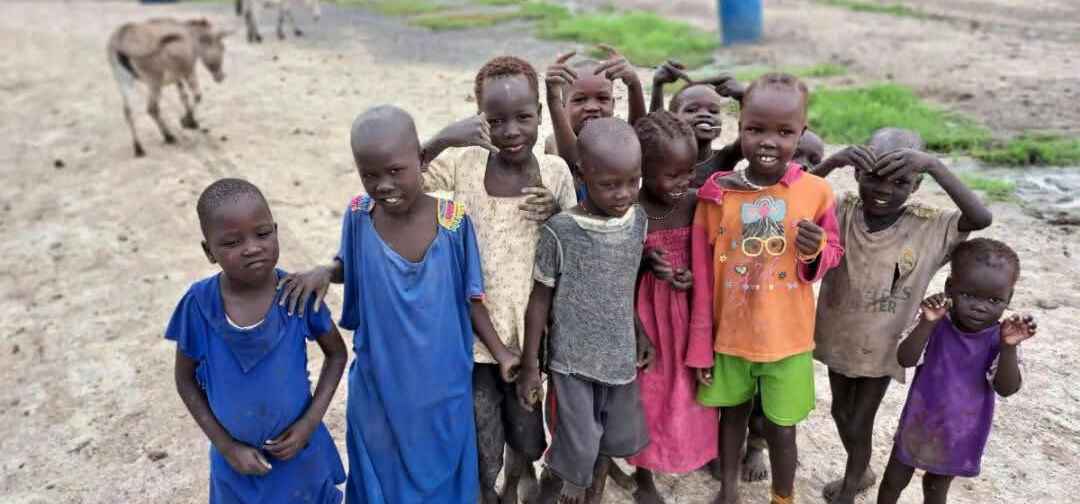
Amira explains that even obtaining a birth notification from the hospital requires information about the father—information she is unable to provide. This prevents her from completing the legal registration process. As a result, the child cannot receive routine vaccinations or be enrolled in nursery or school. The mother also fears that the absence of official documents could deprive her child of medical treatment, essential services and basic rights throughout life.
The Nada Foundation says that Amira’s case is not an isolated incident, but reflects a recurring reality in conflict-affected areas of Sudan, where many children are born under circumstances that make registration extremely difficult, particularly when the father is missing or unidentified.
The foundation’s protection programme director says that registering a child normally requires the father’s identity information, national identification number and birth certificate. Such information is often unavailable in cases linked to the war. He also notes that many of the mothers themselves are minors and require care and protection, further complicating efforts to care for their children and ensure access to essential health services, including vaccinations from birth.
He warns that the consequences extend far beyond childhood. These children may face difficulties enrolling in education, obtaining official documents, travelling and proving their legal identity when they reach adulthood.
The report notes that there are no accurate statistics on the number of children born as a result of sexual violence during the war. The foundation attributes the lack of data to the social stigma surrounding such cases, which prevents many women from reporting the crimes.
The foundation’s director-general explains that most of the mothers assisted by the organisation are girls under the age of 18 and cannot take legal action on their own because the process requires the involvement of a guardian. She also says that in around 90% of the cases documented by the foundation, families refused to officially report the assaults that resulted in pregnancy.
She warns that Sudan could face an entire generation of children living under the weight of social stigma and fear, deprived of dignity, protection, rights and essential services, despite Sudanese law guaranteeing children the right to legal identity.
From a legal perspective, a Sudanese lawyer explains that Sudan’s 2010 Child Act allows children born outside marriage to be registered. However, the process begins with filing an official report of the assault, followed by referring the case to the relevant social authorities before the child can be registered under the mother’s name and given a legal name.
The lawyer stresses, however, that the situation in Darfur during the war is completely different. The collapse of state institutions and the closure of civil registry offices have disrupted these procedures, leaving thousands of children without official registration.
She argues that the absence of documentation does not simply mean losing a birth certificate. It can also deprive a child of education, healthcare and full legal recognition. She therefore calls for the reopening of civil registry offices in safe areas and for procedures to be simplified so that all children can exercise their right to a legal identity.
The report concludes by noting that Amira and her child continue to live in a state of legal uncertainty. Meanwhile, her mother expresses gratitude that her daughter returned after months of being missing, describing the family reunion as almost a miracle.
The foundation continues to provide psychological, social and legal support to the young mother, amid warnings that the continuation of the war will further expand the crisis of undocumented children and deprive them of some of their most basic rights.
- Peace Building
- Global