
Rising Above the Noise: Measuring What Matters: Clearly, Vail's Transparent Climate Path
Apr 24, 2025
update
Seeking
Action
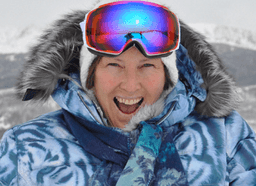

Roadmap to Resilience: A hypothetical story based on a real emerging woman leader from TEDxVailYouth...
We'll call the actual TEDxVailYouth speaker Dr. Clarys Winters. She stood at the edge of Gore Creek, clipboard in hand, watching a group of local high school students carefully collecting water samples. The morning sun illuminated the majestic peaks surrounding Vail, but Sarah's mind was on the data—numbers that told a story few tourists understood while enjoying their mountain getaways.
"Hey, Dr. Clarys!" called out Jamie, a junior at Vail Mountain School, holding up a test tube. "This one's definitely showing higher nitrate levels than last month."
Clarys nodded thoughtfully. "And that's exactly why transparency in our measurements matters. Record every detail—even the ones that don't fit our hopes."
As Vail's newly appointed Climate Transparency Officer, Clarys had one mission: make climate data not just available but understandable, actionable, and completely transparent to everyone in the community. For a town whose economy depended on perfect powder in winter and pristine wilderness in summer, climate change wasn't just an abstract global concern—it was an existential economic threat.
Later that afternoon, Clarys stood before an unusual gathering at Walking Mountains Science Center in Avon. The audience included ski lift operators, hotel managers, local ranchers, and town officials—a cross-section of Vail Valley rarely assembled in one room.
"Thanks for coming to our Earth Week kick-off," Clarys began. "I promised no PowerPoint slides with scary hockey-stick graphs." This earned appreciative chuckles from the crowd. "Instead, we're going to talk about something simpler but harder: honest numbers and what they mean for our home."
She gestured to the large monitor behind her, which displayed a simple dashboard with real-time measurements from around the valley.
"This isn't about distant polar ice caps or sea levels. This is Gore Creek's temperature, trending up 0.8 degrees over the past decade. This is our snowpack depth, down 12% compared to the 1990s average. This is our wildfire risk index, which has doubled in fifteen years."
A hand shot up from the back. It belonged to Buzz, a lifelong resident who operated one of the oldest ski shops in town, Buzz's Boards.
"With respect, Dr. Winters, we've heard these doom and gloom numbers before. What makes your approach different?"
Clarys smiled. "Great question, Buzz. Two things: First, these aren't my numbers—they're ours. Every measurement here comes from sensors our community installed and maintains. Second, and most importantly, we're done with climate data being a secret language only scientists understand."
She clicked to the next screen, revealing what looked like a weather forecast, but with different metrics.
"Meet 'Vail's Climate Scorecard.' Every week in the Vail Daily, on billboards around town, and at every ski lift—just like snow conditions. No more hiding uncomfortable trends in academic papers nobody reads. Telling the truth transparently is our way of bringing serious climate info to our visitors and community while having fun. "
The room grew quiet as the implications sank in. Transparency meant confronting realities that threatened livelihoods.
"But won't this scare away tourists?" asked Chris from Vail Valley Partnership, voicing what many were thinking.
"Actually," Clarys countered, clicking a slide showing survey results, "our pilot program showed something fascinating. When we shared these metrics alongside what actions we're (both the Town of Vail and Vail Resorts collaboratively) taking, visitor satisfaction ratings increased by 22%. People respect honesty and effort."
She paused, then added with a grin, "Plus, I can't be the only one who's tired of explaining to out-of-towners why they can't make a campfire during a Stage 2 fire restriction. Now they'll see the exact risk measurements that led to that decision at ski lifts and trail heads digitally in our app and on solar-powered signs as climate conditions change."
The audience laughed knowingly. Every local had stories of explaining climate-related regulations to frustrated visitors.
"Let's be honest," Clarys continued, "what's really scaring away tourism is unpredictable conditions. Remember last February's rain event that shut down half the mountain? Transparency isn't our enemy—it's our road map to resilience."
Three months later, Clarys watched nervously as hundreds filed into the main venue for TEDxVailYouth. Her talk, titled "Measuring Mountains: How Radical Transparency Is Saving Vail's Climate Future," was scheduled just before lunch. She got the big responsibility of closing Session 1 titled: Inside Out. She was making the case that trust on the inside leads to effective climate actions on the outside.
As she walked confidently out on the student-designed stage, she spotted familiar faces—the high school students who'd become citizen scientists, Buzz from the ski shop who'd initially been skeptical but now led the business community's emissions reduction team, and Mayor Rodriguez, who'd faced political risk by fully backing the transparency initiative. Trust was her political currency, being a Latino leader in a mostly white affluent high-end resort. She consistently worked to bring workers from down-valley into Xperiences normally reserved for the white and wealthy up-valley. Her greatest aspiration was for the Town of Vail to work with the ski company. Both had sued and counter-sued each other in the past which led to distrust. Mayor Magda Rodriguez leaned in to hear how Clarys, her dear friend now, might call upon the community to act.
"What if I told you," Clarys began her talk, "that the most powerful climate tool isn't a solar panel or electric vehicle—it's a number everyone can understand? And what if that number was so transparently gathered and clearly communicated that it became impossible to ignore or deny?"
She described how transparency in measurement had transformed Vail's approach to climate action. How the real-time Climate Scorecard had evolved into a community-wide obsession, with local businesses competing to improve metrics in their areas. So far beyond the business climate audits that originally moved the needle to climate responsiveness.
"When the Gore Creek temperature sensor showed warming trends, our local breweries—yes, breweries!—funded shade tree planting along the banks. Why? Because when data is transparent, people connect dots themselves. Brewers need clean, cool water. They saw the trend, understood the risk, and acted."
The audience laughed when she recounted the now-famous "Snowpack Showdown," where neighborhoods competed to reduce water usage during critical snow-making months, with the winning area getting priority grooming and free skiing on a determined powder day.
"Transparency doesn't just build trust," Clarys explained. "It creates what we call 'community climate intelligence'—where everyone becomes a sensor, interpreter, and problem-solver."
By the following year's Earth Week celebration, the transformation was undeniable. Walking Mountains Science Center had expanded its climate education program, training local "Climate Coaches" who helped businesses and neighborhoods interpret data and develop targeted responses. Cimate Coaches were especially skilled at supporting this vision and emotions of business leaders as they led the way with innovations never known beyond our mountain home.
These coaches, many of them women who brought invaluable communication skills, were now among the most respected—and well-compensated—professionals in the valley. Their ability to translate raw measurements into actionable plans had proven essential for Vail's new economy, where environmental stewardship and prosperity were no longer seen as opposing forces. Climate coaches were in great demand. They loved their work. They were helping locals to quickly adapt. Visitors to Vail were noticing.
At the celebration, Mayor Rodriguez proudly unveiled the town's new motto: "Clear Views, Clear Numbers" – a play on Vail's famous scenic vistas and their commitment to measurement transparency.
Clarys watched as Jamie, now heading to college for environmental science, demonstrated the new citizen science app to a group of tourists. The app showed real-time climate measurements alongside specific actions visitors could take that day to help.
"The most remarkable outcome," Clarys later wrote in her case study for the State Climate Office, "wasn't just better environmental outcomes—though those were significant. It was the dissolution of political divides around climate action. When everyone sees the same numbers, understands how they're collected, and participates in gathering them, the conversation shifts from 'Do we have a problem?' to 'How do we solve this together?'"
As the sun set behind the Gore Range that evening, Clarys sat with her team reviewing the day's success. Buzz, now her deputy, raised his glass in a toast.
"To measuring what matters," he said, "so we can protect what matters most."
Clarys smiled and added her own words that would later become a movement's rallying cry: "When we make our measurements clear, our path forward appears. Transparent truth creates trusted action—this is how we secure our climate future, together. "Here's to "Clear measures, clear steps—TRUST through transparency!"
- Arts & Culture
- Leadership
- Peace & Security
- Environment
- Education
- Climate Change
- Global