
Sam & Kat have a climate chat

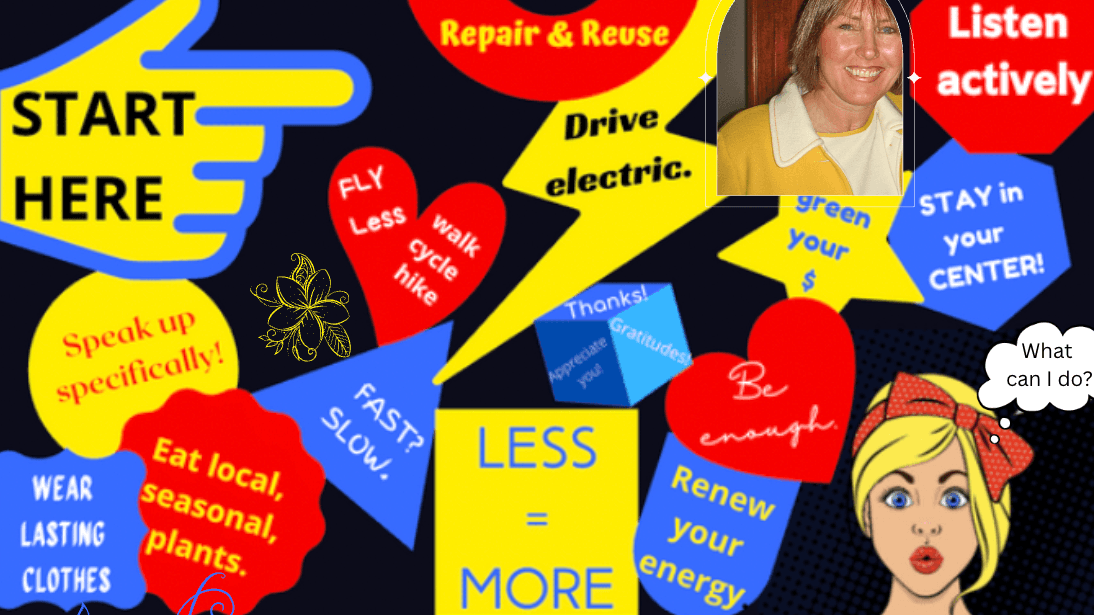
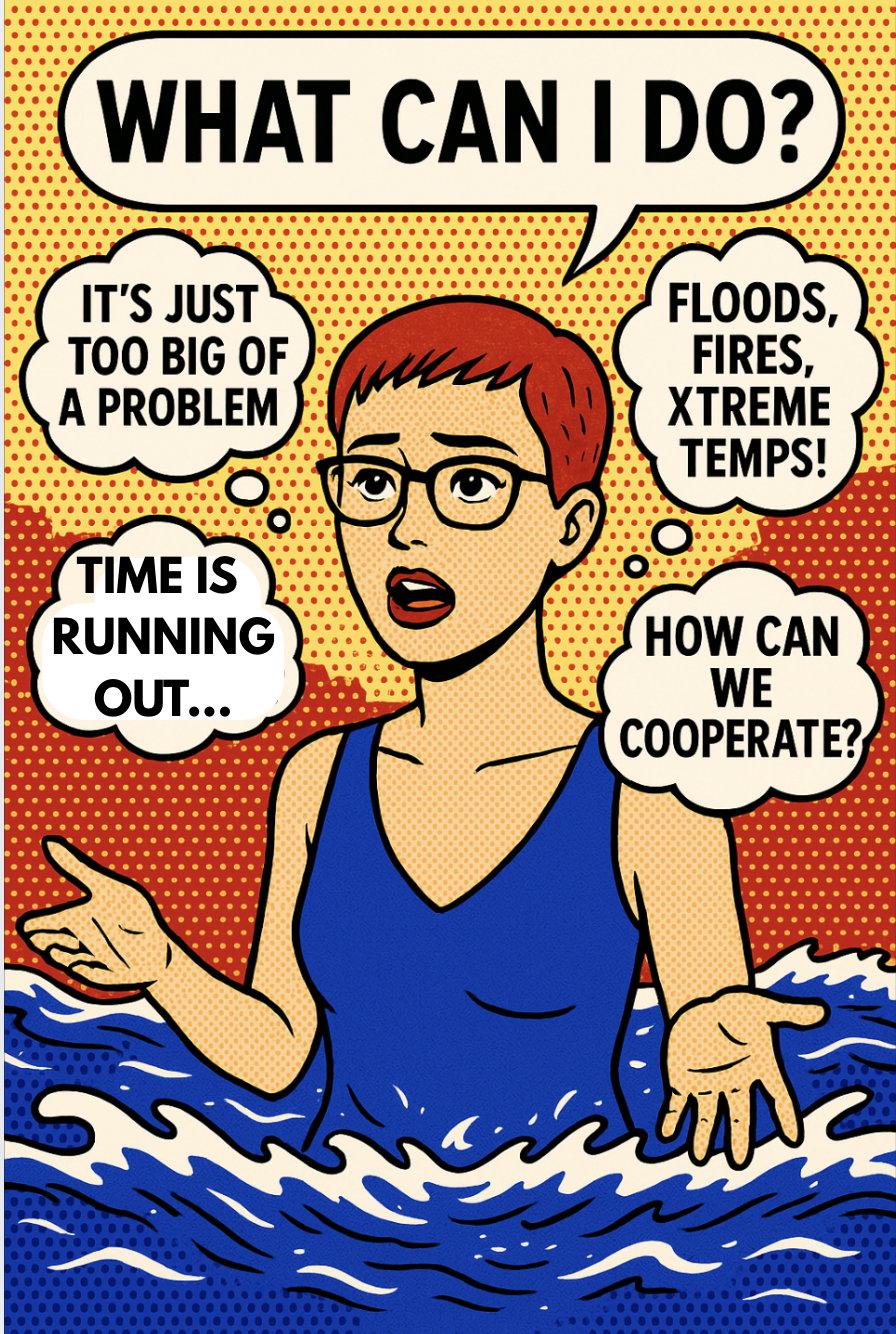
SAM: Kat, I'll be honest—I'm drowning. Every climate report feels like another wave crashing over me. I want to do the right thing, but where do I even start? Sometimes I lie awake wondering if my little changes matter when corporations are pumping out emissions faster than I can switch to bamboo toothbrushes.
KAT: Sam, I hear that overwhelm! You know, after walking 3,000 miles across America for climate action, I learned something profound: the journey changes you more than the destination. When I started that march, I thought it was about reaching Washington D.C. But every step taught me that climate action isn't just about saving the planet—it's about saving ourselves from despair.
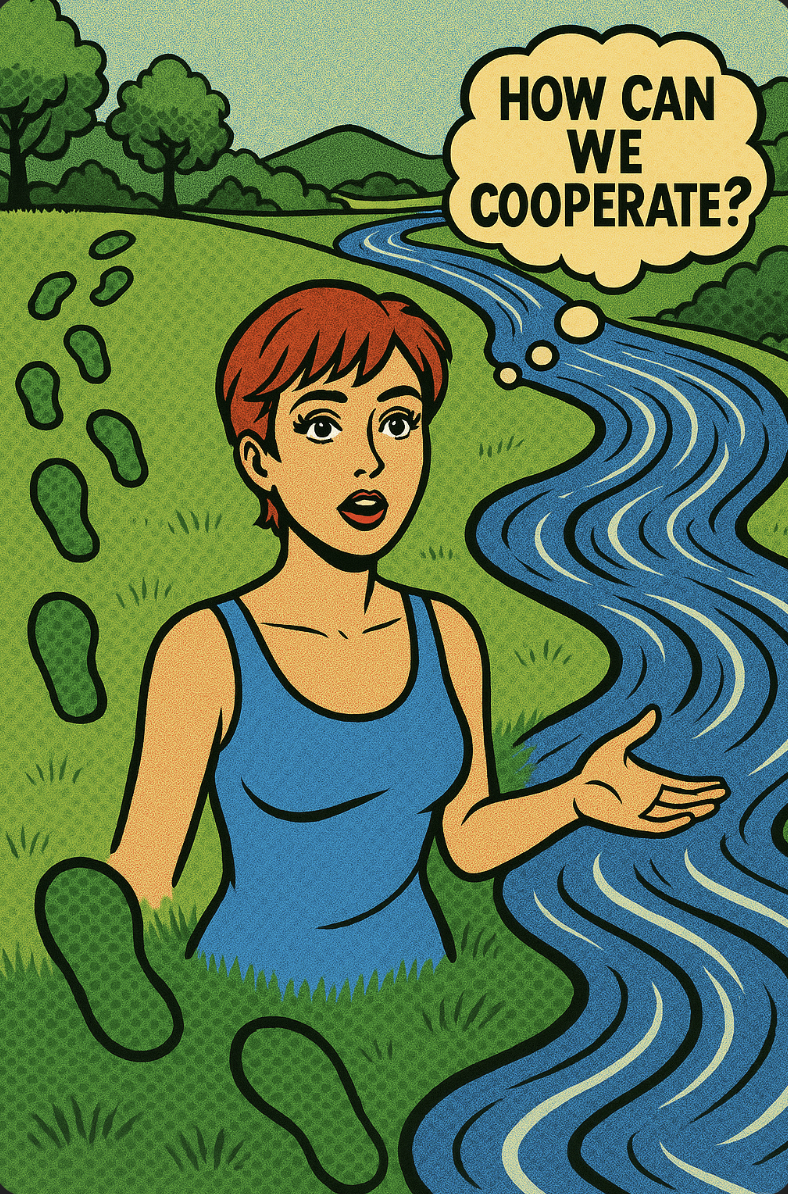
SAM: That's beautiful, but how do you maintain hope when the science is so terrifying? My teenage boys roll their eyes when I mention climate change, and my husband thinks I'm becoming obsessed. I feel like I'm shouting into the void.
KAT: What if I told you that your inner peace and climate action aren't opposing forces—they're dance partners? When I was launching into those quad daffies, I learned that panic in mid-air equals disaster. The same applies to climate work. Anxiety makes us freeze or flail. But centered action? That's where the magic happens.
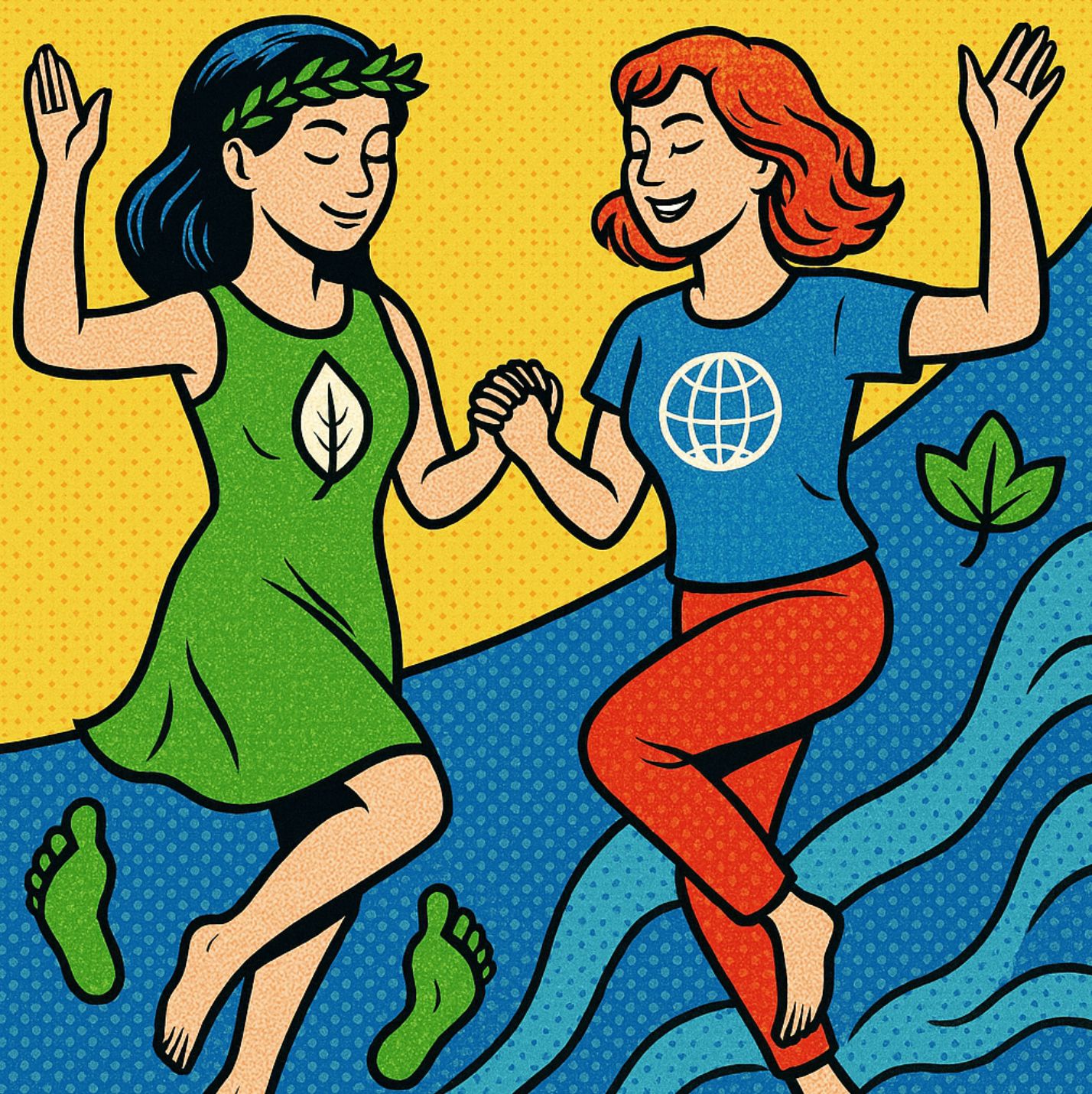
SAM: Okay, but I'm just one person! How can I possibly make enough difference fast enough?
KAT: Here's what blew my mind during the GREAT MARCH FOR CLIMATE ACTION—I wasn't walking alone. Even when I felt isolated on empty highways, I was part of something bigger.

You asked about climate cooperation, and honestly, I sometimes wonder if we've forgotten how to think collectively. We're so programmed for individual achievement that we've lost touch with our species' greatest superpower: collective intelligence.
SAM: Collective intelligence? You mean like... thinking together?
KAT: Exactly! When geese fly in formation, each bird makes the journey easier for the others.
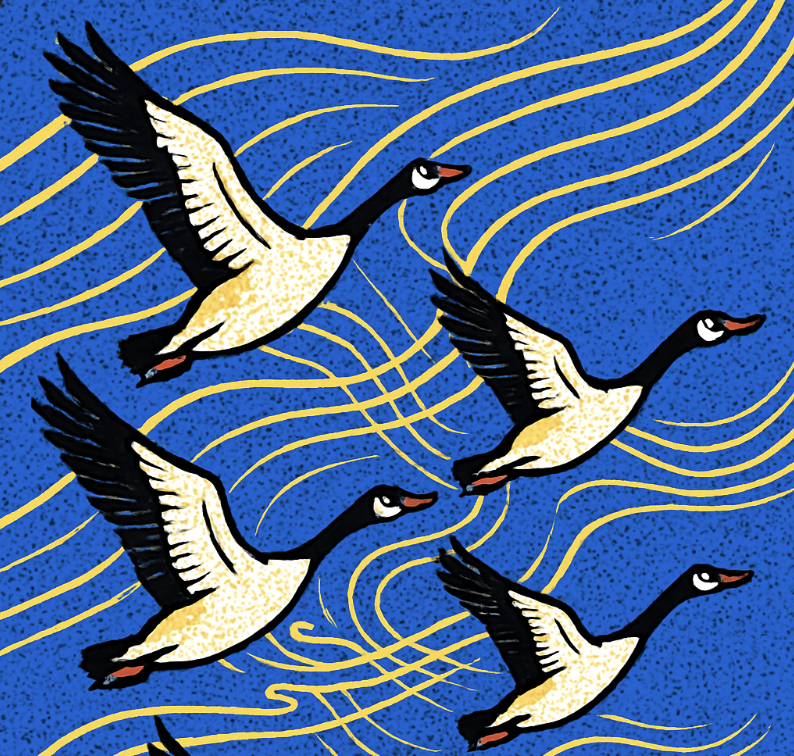
They don't compete—they collaborate. Humans used to do this instinctively. Indigenous communities have been modeling this for millennia. But somewhere along the way, we started believing the myth that we have to save the world solo.
SAM: That actually makes me feel... empowered somehow. Like I've been carrying this burden alone when I don't have to. But how do we tap into that collective intelligence practically?
KAT: Start where you are, with who you are. Your teenagers aren't rolling their eyes because they don't care—they're overwhelmed too. What if instead of talking about climate change, you invited them into climate solutions? Make it about their futures, their creativity, their generation's genius.

SAM: You're absolutely right. My 16-year-old is brilliant with technology, and my 14-year-old is passionate about justice. I've been trying to push them toward my vision instead of empowering theirs. Maybe I need to trust their instincts and follow their lead sometimes.
KAT: And your husband's resistance? That's often fear disguised as confusion about how to fix it. Men, especially, are taught to be fixers. Climate change can feel too big to fix, so they disconnect.
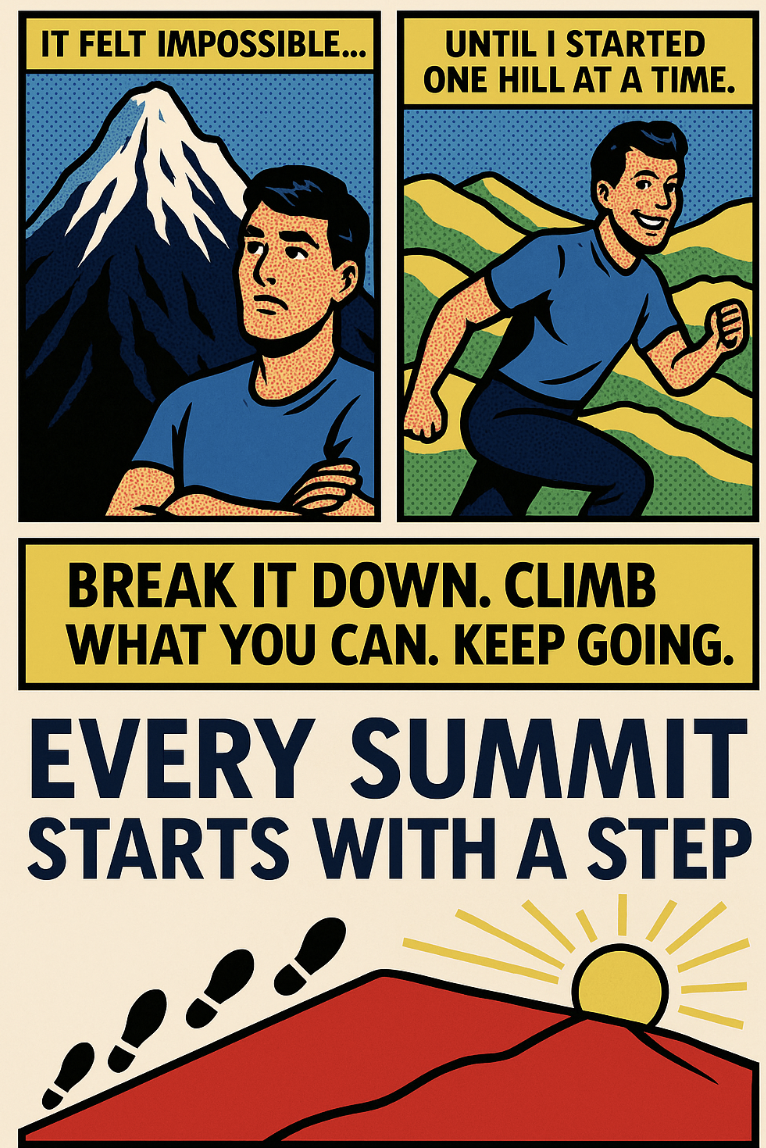
What if you invited him to fix something specific, something tangible?
SAM: He's actually amazing at coaching. You know what? I've been so focused on what we're doing wrong that I haven't celebrated his strengths. He could help us retrofit our home, maybe even start a neighborhood efficiency project... I bet he'd love being the solution guy instead of feeling like the problem.
KAT: Now you're thinking like a flock! And here's the thing about living lightly—it's not about deprivation. It's about discovering what truly nourishes us.

When I walked across America, I slept in a lawn chair for those 8 months. I'd never felt more free or more connected to seeds, trees, marchers, communities we met along the way, and what really matters.
SAM: That sounds incredible! I'm realizing I've been so focused on all the things I need to give up that I forgot about what I might gain. Like deeper connection with my family, more authentic purpose...
KAT: Exactly! And who said you have to figure it all out at home? What if you started with adventure?
Speaking of which—and this might sound crazy—but have you ever considered an Alaska Vacation followed by an Alaska Climate Staycation?
SAM: Alaska? Now you've got my full attention. Tell me more!
KAT: Homer, Alaska, specifically. Picture this: your family, surrounded by pristine wilderness that's literally changing before our eyes.
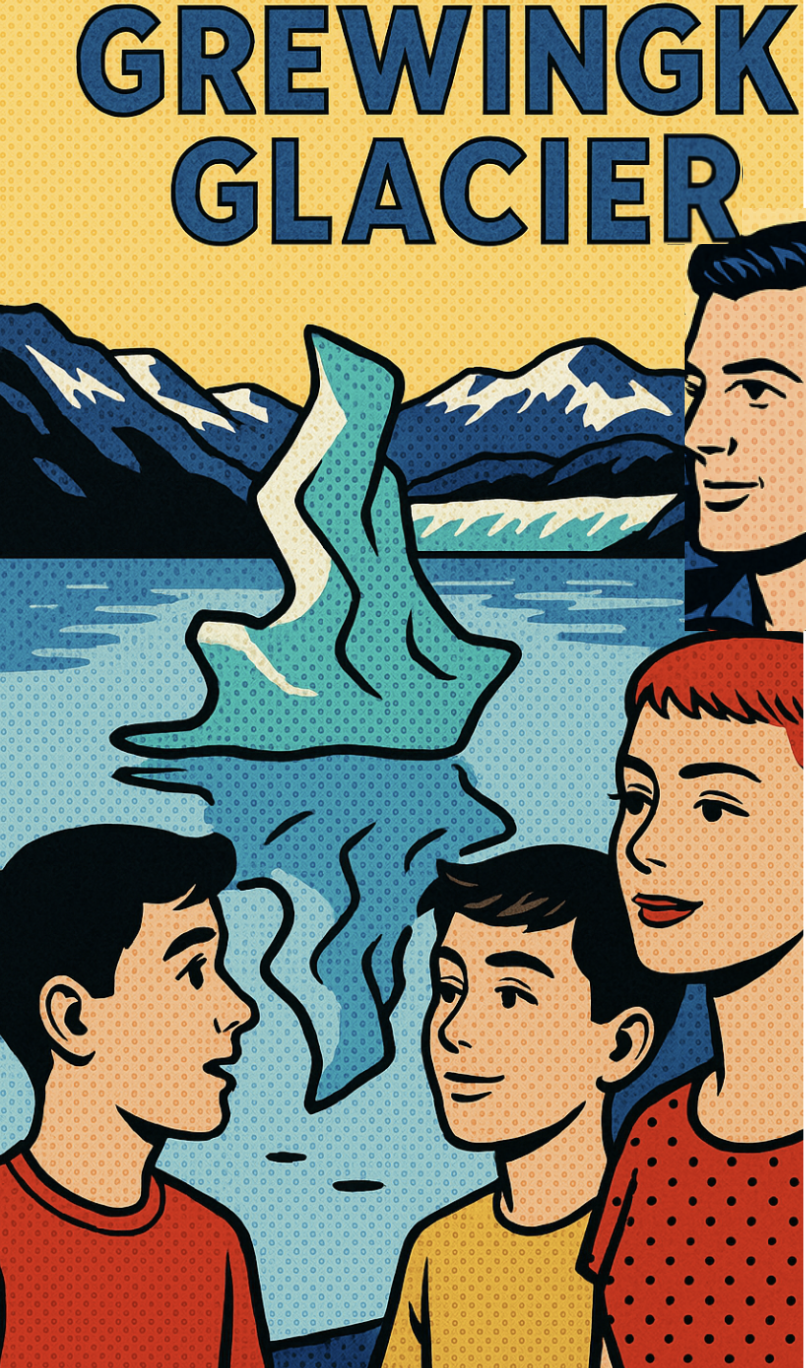
Your boys could see climate impacts firsthand, but they'd also witness the incredible resilience of nature and communities. It's hands-on climate education disguised as the adventure of a lifetime.
SAM: That... actually sounds perfect! My husband loves fishing, and the boys have never seen a glacier. But how is it a "climate staycation"? I love the idea of combining learning with adventure.
KAT: Homer sits at the intersection of land, sea, and sky—you can literally watch climate dynamics in action.
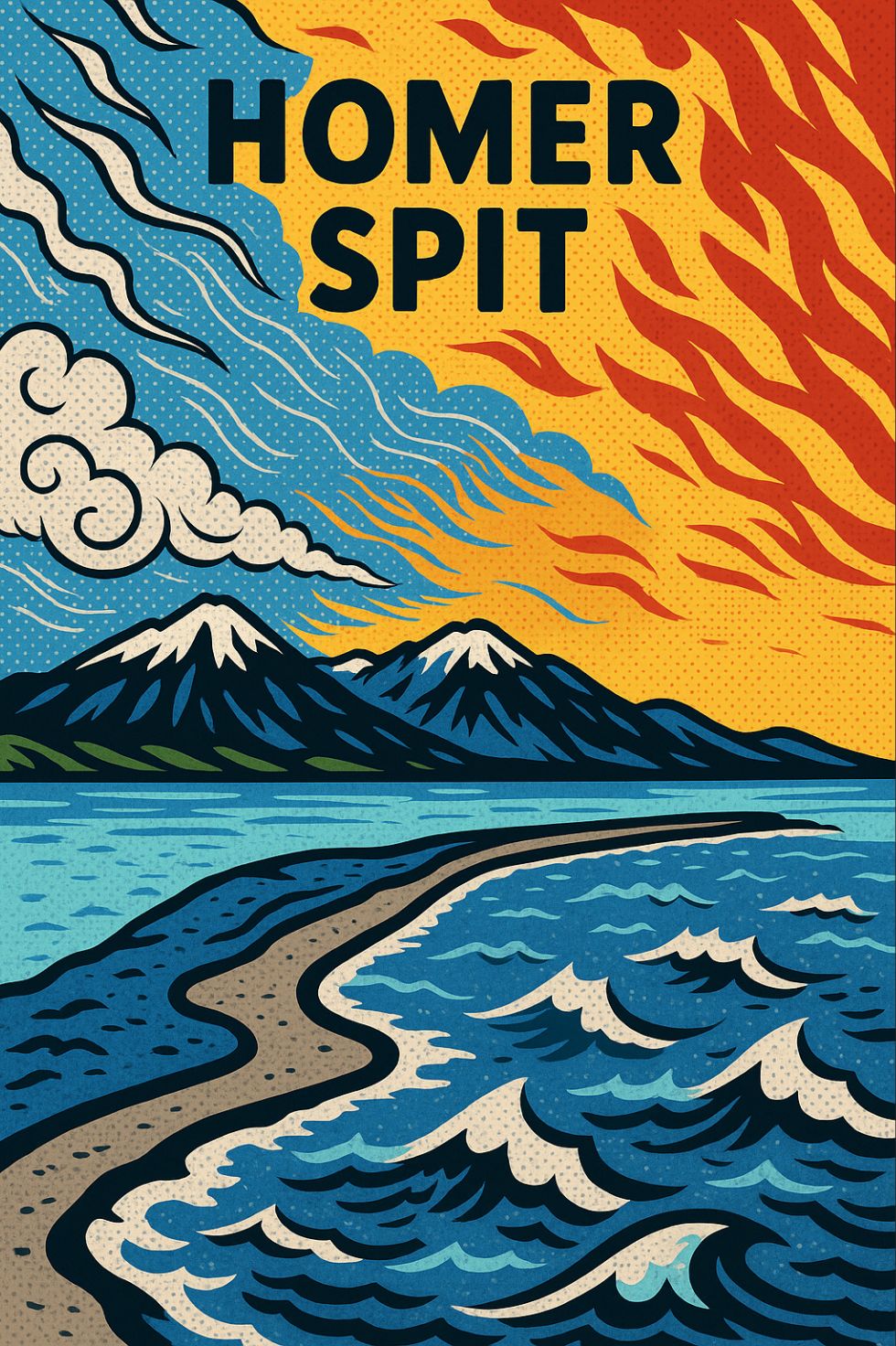
Plus, Alaska has some of the most innovative climate adaptation projects on the planet. Your tech-savvy son could learn about renewable energy systems, your justice-minded son could connect with Indigenous communities leading climate resilience efforts.
SAM: And we'd be learning together, as a family, instead of me trying to convince them from a soap box. This feels like exactly what we need—a chance to be curious together instead of anxious apart.
KAT: Exactly! Shared experience creates shared understanding.
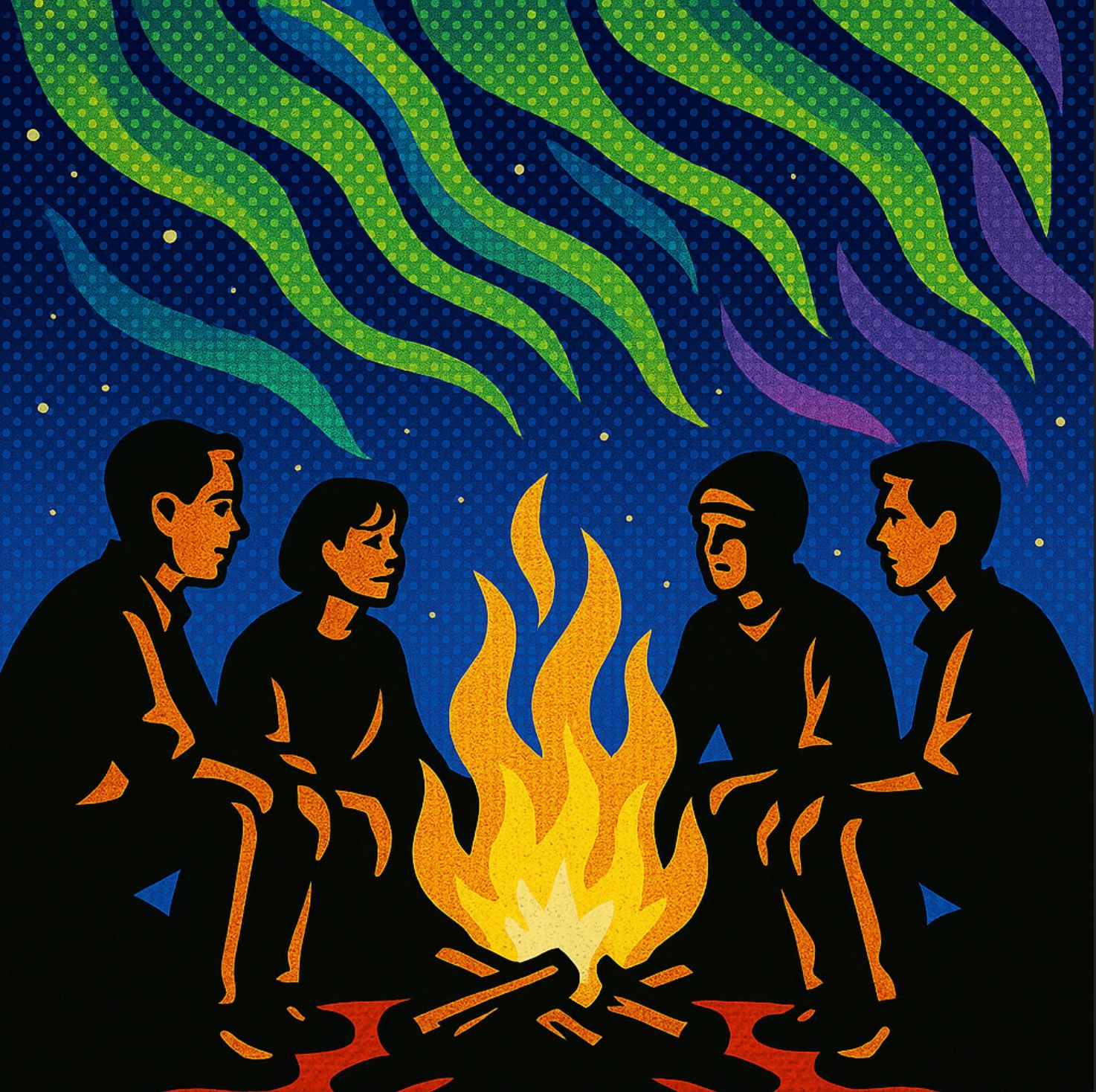
When you witness the Northern Lights together, or see a mother bear teaching her cubs to fish, you know that we're all part of something magnificent and interconnected.
SAM: I'm getting excited just thinking about it. I can already imagine the conversations we'll have around that campfire. When should we go?
KAT: Summer's ideal—July and August. The midnight sun, our 20 hour days, gives you more time for adventures, and the salmon runs are spectacular.
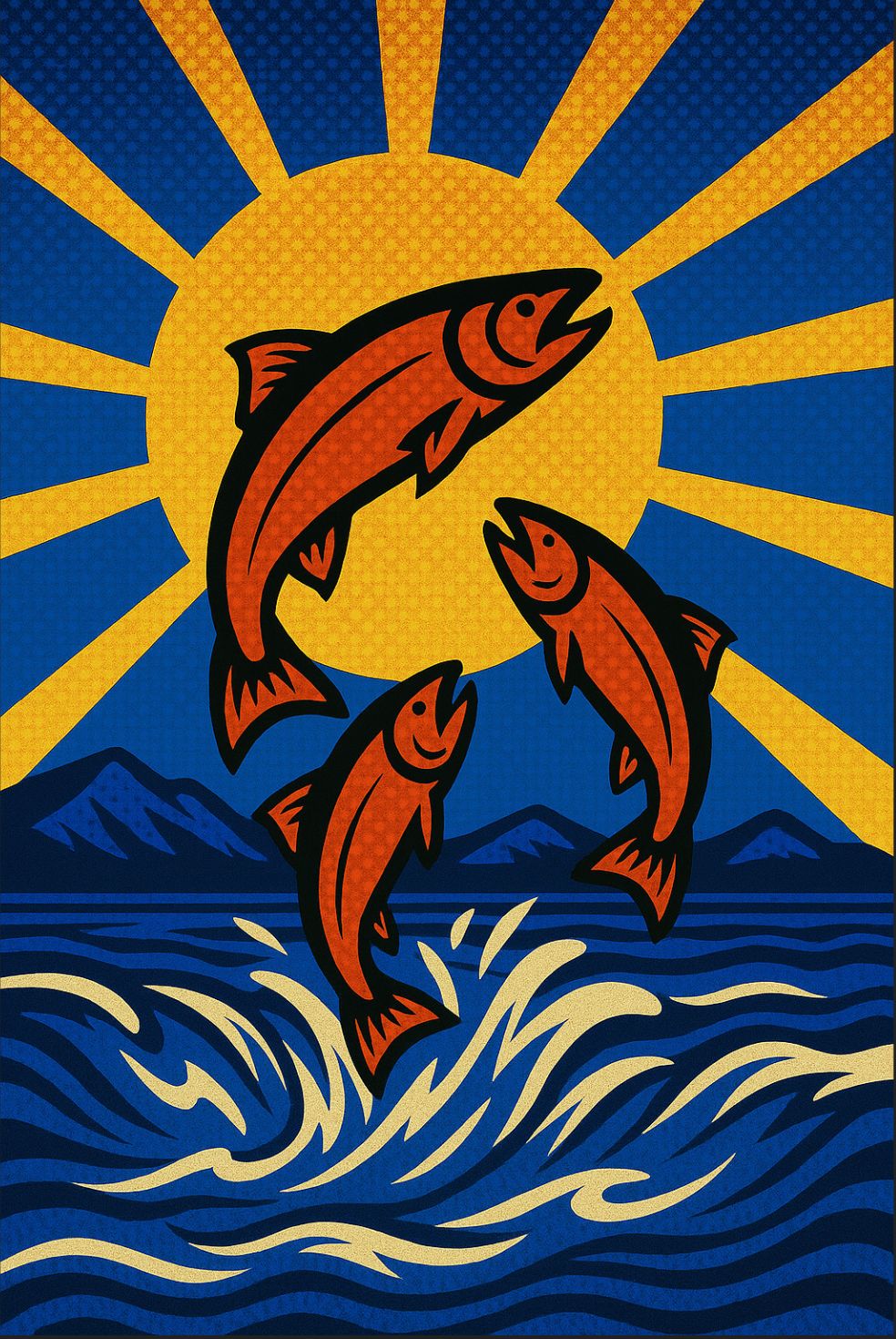
Plus, I might know a thing or two about organizing meaningful experiences...
SAM: Would you... would you consider joining us? Or at least helping us plan this climate adventure? I have a feeling you'd help us see things we'd never notice on our own.
KAT: Sam, I thought you'd never ask!

Let's turn your climate anxiety into climate adventure. Because the best way to save the world? Start by falling in love with it all over again.
SAM: You know what? For the first time in months, I feel hopeful. Not just about climate change, but about us—about my family's power to make a difference, about humans and our ability to figure this out together. I feel like I just remembered who I really am.
KAT: Now that's the collective intelligence I was talking about!
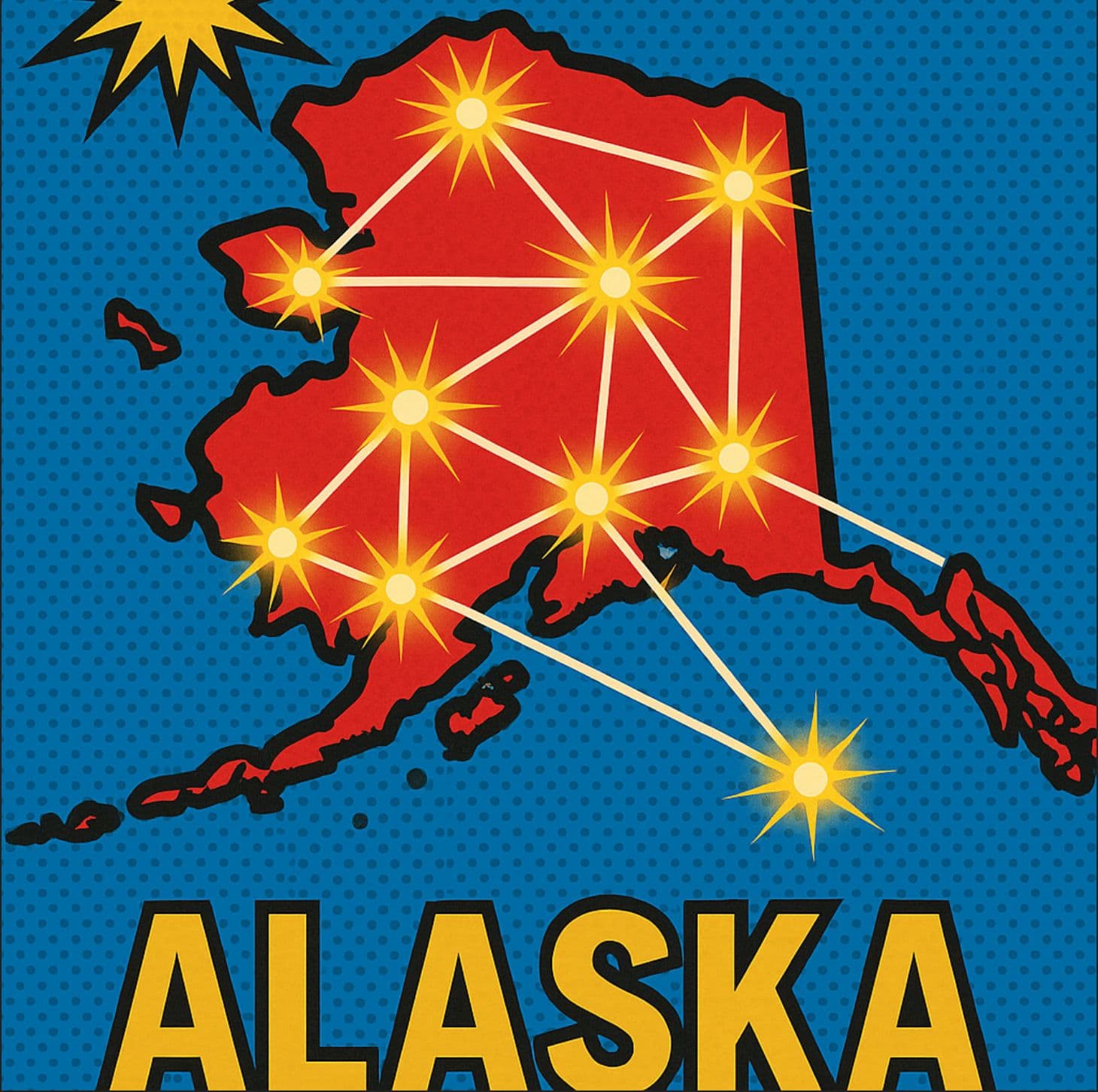
Welcome to the flock, Sam. Alaska, here we come!
- Leadership
- Environment
- Peace & Security
- Climate Change
- Northern America