
Sarah Everard: The Murder That Shook the UK and Sparked a Movement
Feb 21, 2025
story
Seeking
Encouragement


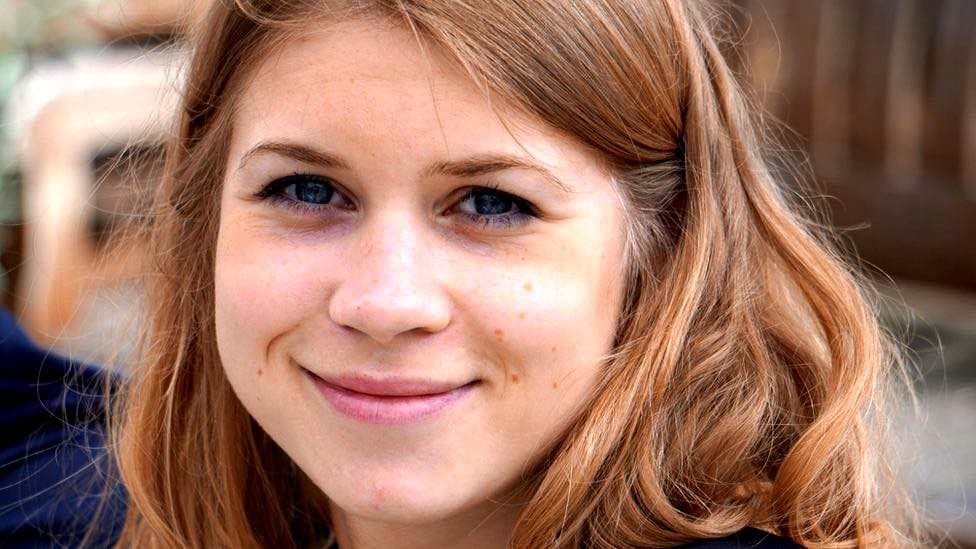
Sarah Everard: The Murder That Shook the UK and Sparked a Movement
On the evening of March 3, 2021, 33-year-old Sarah Everard was walking home in London when she was kidnapped, raped, and murdered by a serving police officer. Her brutal death ignited national outrage, leading to protests, debates about women’s safety, and a reckoning with police misconduct and gender-based violence in the UK.
Sarah’s case wasn’t just about one horrific crime—it became a symbol of the everyday fear women face and the failures of the system meant to protect them.
Who Was Sarah Everard?
Sarah Everard was a marketing executive living in Brixton, South London. She was known for being kind, ambitious, and full of life. At 33, she had built a successful career, maintained strong friendships, and had a bright future ahead of her.
She wasn’t doing anything extraordinary on the night of March 3, 2021. She was simply walking home after visiting a friend in Clapham—a route she had taken before, a journey that should have been safe.
But this time, she never made it home.
The Night Sarah Disappeared
At around 9:00 PM, Sarah left her friend’s house. She was wearing bright-colored clothing, sneakers, and a face mask. She called her boyfriend, chatted for 15 minutes, and reassured him she was okay.
Like many women, Sarah took precautions—she stayed on well-lit streets, avoided dark alleys, and called someone while walking. Yet, even all of this wasn’t enough to keep her safe.
At 9:30 PM, near Poynders Road, a white Vauxhall Astra pulled up beside her. The driver was Wayne Couzens, a serving police officer in the Metropolitan Police.
What happened next was an abuse of power in its most horrific form.
A Crime of Power and Deception
Wayne Couzens was a 48-year-old officer who had served in the Parliamentary and Diplomatic Protection Unit, meaning he had a police badge, handcuffs, and authority.
Using COVID-19 lockdown laws as an excuse, Couzens stopped Sarah, falsely accused her of breaking the rules, and pretended to arrest her.
Witnesses later reported seeing Sarah standing by his car, handcuffed, looking terrified. But they assumed it was a legitimate police arrest.
Sarah complied because she trusted the police.
That trust cost her everything.
Sarah’s Last Hours
After kidnapping her, Couzens drove more than 80 miles to Dover. Evidence later revealed that Sarah was raped and murdered that night.
Her final moments remain too horrific to fully imagine.
In a desperate attempt to cover up his crime, Couzens burned her body inside a refrigerator in a wooded area before dumping her remains near a pond in Hoad's Wood, Kent.
For seven days, Sarah’s family and friends searched for her. Posters with her face were everywhere, and women across the UK shared their own fears and experiences of walking home alone.
On March 10, 2021, police discovered her remains—so badly burned that they were identified using dental records.
The UK was left shocked, heartbroken, and furious.
A Nation’s Outrage: Protests and Demands for Change
Sarah’s murder wasn’t just another crime—it was a breaking point.
Her death forced a national conversation about women’s safety, male violence, and police abuse of power.
Women took to social media and the streets to express their rage, fear, and exhaustion. The phrase “She was just walking home” became a rallying cry, as women recounted their own near-misses, harassment, and daily precautionsjust to feel safe.
On March 13, 2021, a vigil for Sarah was planned at Clapham Common—the place where she was last seen.
But in a moment of cruel irony, police officers—the very people meant to protect the public—used force to break up the peaceful vigil. Images of women being violently dragged away only added to the anger and distrust.
How could women feel safe when the police themselves were the threat?
Justice for Sarah: A Historic Life Sentence
After an extensive investigation, Couzens was arrested, and the truth of his crime came to light.
It was revealed that he had a history of indecent exposure—including flashing women at McDonald’s just days before Sarah’s murder. Yet, he remained in the police force.
On September 30, 2021, Wayne Couzens was sentenced to life in prison with no possibility of parole—a historicruling.
During sentencing, the judge called it “a crime of shocking brutality” and “a grotesque misuse of a police officer’s power”.
The Bigger Issue: A System That Fails Women
Sarah’s case was not an isolated incident. It exposed the deep-rooted issue of violence against women in the UK.
After Sarah’s murder:
🔴 Reports surfaced that more than 2,000 police officers had been accused of sexual misconduct over the past four years.
🔴 Other police officers were arrested for rape, domestic abuse, and harassment.
🔴 Another officer, David Carrick, was found to be a serial rapist—despite serving in the same police unit as Couzens.
Women across the country demanded answers:
🔥 Why was Couzens allowed to stay in the police force despite warning signs?
🔥 How many other men in uniform were abusing their power?
🔥 When will women actually be safe?
The UK government faced pressure to reform the police, improve laws against violence, and protect women from those who misuse authority.
Sarah’s Legacy: A Call for Change
Sarah Everard’s name has become a symbol of the fight for women’s safety.
Her murder led to:
✅ A national review of police conduct
✅ Stronger laws against sexual misconduct in law enforcement
✅ More discussions about street harassment, women’s safety, and trust in the police
But for many women, it is still not enough.
Women still carry keys between their fingers, still walk with headphones off, still feel fear every time they take an empty street.
Sarah did everything right—yet it wasn’t enough to save her.
Her case forced the world to confront an ugly truth:
The problem isn’t women not being careful enough—the problem is men who commit violence.
“She Was Just Walking Home”
Sarah Everard’s story is not just hers.
It is the story of millions of women—who have been harassed, assaulted, and murdered by men who abuse their power.
Her death was a tragedy that should never have happened. But her legacy is a movement that will never be silenced.
- Human Rights
- Peace & Security
- Gender-based Violence
- Global