
Save our environment and right for life in DRC and Burundi


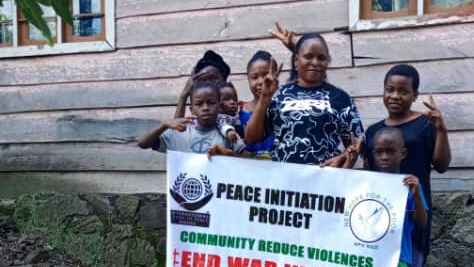
Saving the environment and protecting the right to life in the Democratic Republic of Congo (DRC) and Burundi are both crucial issues that require a concerted effort from governments, civil society, and international organizations. Both countries face unique environmental challenges and human rights issues, which intersect in profound ways.
Environmental Issues in DRC and Burundi:
1. Deforestation: Both countries suffer from significant deforestation, with illegal logging, agricultural expansion, and the need for fuelwood being the main drivers. In the DRC, the vast forests of the Congo Basin are particularly threatened. These forests are vital not only for biodiversity but also for global climate regulation.
2. Biodiversity Loss: The DRC and Burundi are home to rich biodiversity, including endangered species like gorillas, elephants, and rare birds. Habitat destruction, poaching, and human-wildlife conflict contribute to the decline of these species.
3. Climate Change: Both countries are vulnerable to the impacts of climate change, including more frequent droughts, flooding, and extreme weather conditions. These events can harm local communities, especially those dependent on agriculture for their livelihoods.
4. Pollution: Urban areas in both countries face pollution challenges, with poor waste management systems and contamination of water sources. Industrial activities and the extraction of natural resources often lead to environmental degradation.
5. Mining and Resource Extraction: The DRC, in particular, has vast mineral wealth, which often comes at the cost of environmental destruction. Mining activities, particularly in artisanal and small-scale sectors, cause deforestation, water pollution, and soil degradation.
Human Rights and the Right to Life:
1. Violence and Conflict: Both the DRC and Burundi have experienced political instability and violent conflict, which has often led to human rights abuses. In the DRC, ongoing conflict in regions like the eastern part of the country has led to widespread displacement, loss of life, and sexual violence. In Burundi, political tensions and violence have also led to a significant loss of life, with protests, repression, and a crackdown on political opposition.
2. Access to Basic Needs: In both countries, many people struggle to access basic services like healthcare, education, clean water, and sanitation. Environmental degradation, such as deforestation and water contamination, exacerbates these challenges, threatening people's health and survival.
3. Freedom of Expression and Political Rights: In both the DRC and Burundi, restrictions on freedom of expression and the press are common, particularly during times of political unrest. Human rights defenders, journalists, and activists often face harassment, arrest, and violence for speaking out.
Initiatives for Change:
NGOs and Civil Society: Many organizations, both local and international, are working to address environmental issues and promote human rights in the DRC and Burundi. They focus on sustainable development, protecting natural resources, and advocating for better governance and accountability.
International Support: Global initiatives, such as the Paris Agreement on climate change, are encouraging countries to adopt policies that protect the environment and promote sustainable development. Donor countries and organizations provide funding and technical support for projects aimed at protecting the environment and advancing human rights.
Community-based Solutions: Empowering local communities to participate in conservation efforts and sustainable land use practices is crucial for long-term success. Community-led initiatives can help restore degraded environments, protect wildlife, and ensure that local populations have access to the resources they need.
Legal and Policy Reforms: Strengthening environmental laws and human rights protections is essential for creating lasting change. Governments must work to improve the enforcement of existing laws, such as those protecting forests and wildlife, and ensure that human rights are respected, including the right to life, freedom of expression, and protection from violence.
The intersection of environmental and human rights issues in the DRC and Burundi requires a holistic approach, one that promotes both environmental sustainability and the protection of peo
ple's rights to life, health, and dignity.
- Gender-based Violence
- Peace & Security
- Leadership
- Environment
- Health
- Economic Power
- Africa