
Savita Halappanavar: A Catalyst for Change in Ireland (1981–2012)
Feb 22, 2025
story
Seeking
Encouragement


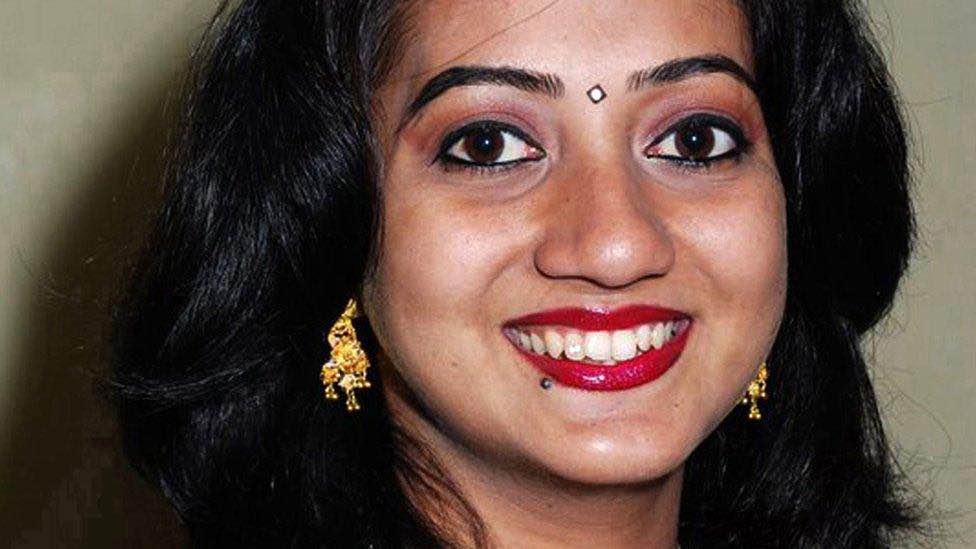
Savita Halappanavar: A Catalyst for Change in Ireland (1981–2012)
Savita Halappanavar was an Indian dentist who became a symbol of the struggle for reproductive rights in Ireland after her tragic death in 2012. Her case highlighted the complexities of Ireland's abortion laws and sparked nationwide protests, ultimately leading to significant changes in legislation surrounding reproductive health.
Early Life and Education
Savita Halappanavar was born in 1981 in Karnataka, India. She pursued a career in dentistry and moved to Ireland in 2008 to work in the healthcare system. Savita was known for her dedication to her profession and her compassionate nature, quickly integrating into the Irish community.
The Tragic Incident
In October 2012, Savita became pregnant and was admitted to Galway University Hospital with complications arising from a miscarriage. During her treatment, she and her husband, Praveen Halappanavar, were informed that the fetus was not viable and that she was experiencing severe pain.
Despite Savita's critical condition and requests for a termination, the medical staff cited Ireland's strict abortion laws, which prohibited abortions unless there was a direct risk to the mother’s life. As her condition worsened, Savita was denied the medical intervention she desperately needed.
Tragically, Savita Halappanavar passed away on October 28, 2012, from septicemia, a severe infection that developed as a result of the complications from her miscarriage. Her death was a profound tragedy that sparked outrage across Ireland and beyond.
Public Outcry and Advocacy
The circumstances surrounding Savita's death led to widespread public outcry and protests demanding justice and reform of Ireland's abortion laws. Activists, healthcare professionals, and ordinary citizens took to the streets to honor her memory and call for change.
Savita’s case became a focal point for the ongoing debate over reproductive rights in Ireland. Many argued that her death was a preventable tragedy that illustrated the failures of the healthcare system and the need for legal reform to protect women’s health and rights.
Impact on Legislation
In response to the public outcry and growing pressure for change, the Irish government established the Savita Halappanavar Inquiry to investigate her death and the circumstances surrounding it. The inquiry revealed significant deficiencies in the care provided to Savita and highlighted the need for clearer guidelines regarding the treatment of women in similar situations.
Savita’s case played a crucial role in the eventual passage of the Protection of Life During Pregnancy Act in 2013, which clarified the circumstances under which abortion could be legally performed in Ireland. However, many activists felt that more comprehensive reforms were needed to fully protect women's rights.
Legacy and Continued Advocacy
Savita Halappanavar’s story became a powerful symbol of the fight for women’s rights in Ireland. Her case galvanized activists and organizations working for reproductive justice, inspiring ongoing campaigns to further liberalize abortion laws.
In 2018, Ireland held a historic referendum to repeal the Eighth Amendment, which had effectively banned abortion in the country. The referendum passed with overwhelming support, marking a significant victory for advocates of reproductive rights and a testament to the impact of Savita’s legacy.
Conclusion
Savita Halappanavar's tragic death served as a catalyst for change in Ireland, shining a light on the urgent need for reform in reproductive health laws. Her story continues to resonate, reminding society of the importance of prioritizing women's health and rights.
Savita is remembered not only for her life but also for the profound impact her case had on the movement for reproductive justice in Ireland, inspiring countless individuals to advocate for change and ensuring that her legacy lives on.
- Human Rights
- Peace & Security
- Gender-based Violence
- From Distraction to Collective Action
- Global