
Seeds of Dialogue: Inspiring Youth-Led Change in Myanmar
Oct 10, 2025
first-story
Seeking
Visibility


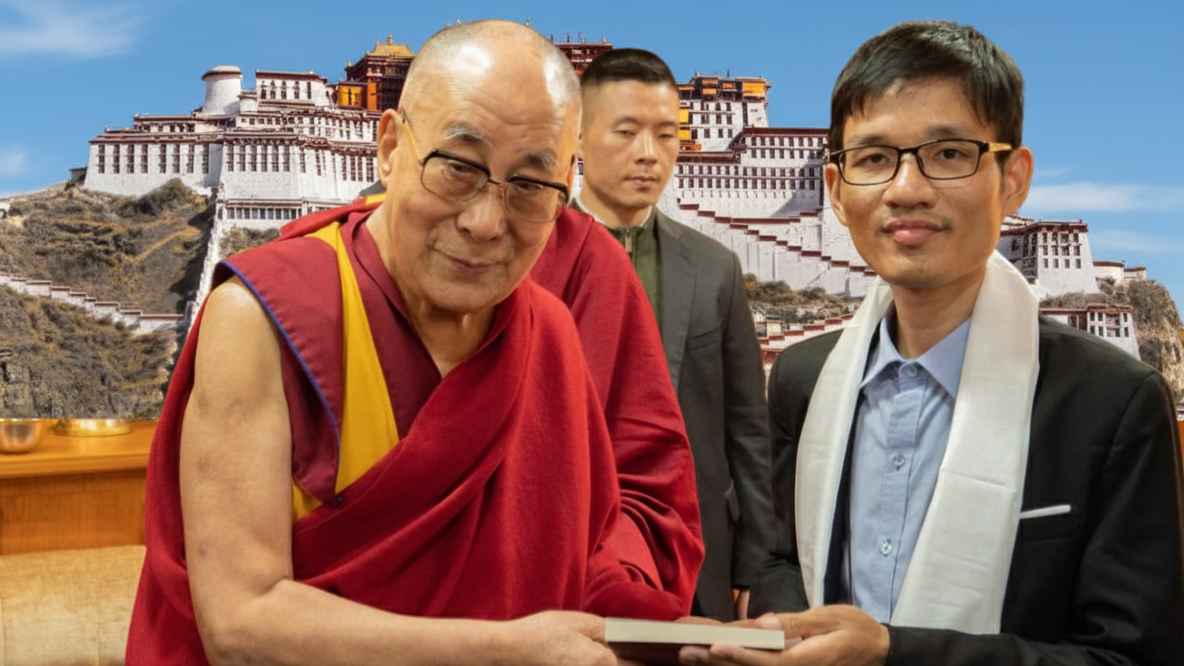
Bridging Hope and Healing: Dr. Aung Than Oo’s Journey as a Rotary Peace Fellow in Myanmar
Introduction
Growing up in Yangon, I was shadowed by evidence of both resilience and division. My city was animated with bustling markets, temples, and hopeful students, yet it was also marked by historical conflict and lingering mistrust among its diverse peoples. It was in this complex tapestry that my journey toward peacebuilding began—a journey that would lead me to serve as a Rotary Peace Fellow and inspire youth across Myanmar to bridge divides through compassion and knowledge.
Early Roots: Witnessing Division, Yearning for UnityMy earliest memories as a student reflect an uneasy mix of pride in Myanmar’s diversity and sadness at the prejudices that appeared, sometimes, even in the playground. Religious or ethnic background became a source of both identity and misunderstanding among classmates. As I witnessed occasional arguments or rumors escalate into community tension, it felt clear that peace in Myanmar was fragile. The realization cut deep: Peace was not merely the absence of violence but demanded deeper, ongoing dialogue and understanding.
The Call to Service: Medicine and EmpowermentAfter earning my medical degree from the University of Medicine in Yangon, I began my career providing care to underserved populations. Whether treating malaria in rural villages or providing psychological support in camps for internally displaced persons, I saw how conflict didn’t discriminate—how it robbed children of security and families of hope. My calling to medicine soon expanded. I saw that to heal communities, medical aid alone was not enough; sustainable peace required empowering youth and amplifying voices for reconciliation.
Entering the Peacebuilding ArenaMy peacebuilding path intersected with international programs when I became a United Nations Young Peacebuilder and later the country director of Global Peace Chain. Participating at global platforms—such as United Nations conferences, UNESCO heritage sessions, and forums on youth peace and security—I discovered that young people were ready to shape their own future. My postgraduate education, spanning public administration and international fellowships, fueled my desire to connect grassroots action in Myanmar to global dialogue on peace and development.
Rotary Peace Fellowship: Expanding Vision and ImpactReceiving the Rotary Peace Fellowship was a turning point. Studying with global peers at the Rotary Peace Center, I gained tools in conflict resolution, interfaith dialogue, and public management. Rotary’s commitment to “Service Above Self” became my mantra. Upon returning to Myanmar, I translated this ethos into local action—starting with classroom and community initiatives that promoted not just health, but a deeper understanding among divided groups.
Personal Initiative: Free Charity Classes for YouthSince 2017, I have conducted free charity classes for youth in Yangon and Mandalay. Each is a six-week program designed not only to share academic and scholarship opportunities but also to cultivate leadership, ethical dialogue, and service. I share my own journey—how international study and cross-cultural experience changed my life—and teach participants how they can apply for similar fellowships.
Crucially, each session ends with field visits: to orphanages, mental hospitals, and monastic schools, but also to mosques, churches, temples, and Buddhist monasteries. Watching students from different backgrounds meet, listen, and share meals in these sacred spaces, I see the seeds of reconciliation being planted. These visits demystify the “other,” nurturing empathy where ignorance once bred fear.
New Challenges: Civil Unrest and ResilienceThe 2021 military intervention in Myanmar dramatically escalated civil unrest, plunging youth into uncertainty and despair. Many felt their dreams of a peaceful, open society were erased overnight. Some took up arms, others fled; those remaining, struggled with fear and depression. At that moment, Rotary’s teaching of peace felt both urgent and daunting. I asked myself—what more could I do as a peace fellow, while under threat myself, to keep hope alive among youth?
My answer: continue the classes, regardless of setbacks. Even as my initiative was suspended due to COVID-19 and instability, I found pockets of opportunity. Hosting smaller weekend courses in Mandalay, I encouraged youth to connect, heal, and find purpose together. Again, we practiced dialogue—this time, under the shadow of violence but resolute in our hope for a better future.
Grassroots Peacebuilding: Interfaith Dialogue and Social CohesionBeyond education, I launched a social change initiative focused on interfaith dialogue—especially in conflict-affected areas like Rakhine State. By facilitating conversations where Buddhists, Muslims, and Christians could share their stories, I witnessed walls coming down. Hate speech was countered by personal narrative; carefully crafted social media messages amplified stories of coexistence, replacing divisive rhetoric with hope.
Lessons LearnedTrue peace is fragile and must be cultivated persistently. Working in conflict analysis and policy activism, I’ve learned that sustainable peace rarely comes from grand gestures—it arrives slowly, built on small, local interventions and the courage to keep the door open for dialogue even when trust is low. Youth-led initiatives, grounded in education, community service, and respectful conversation, have the power to transform broken societies.
Looking Ahead: A Call to Myanmar’s YouthToday, Myanmar’s challenges remain immense. But I believe in the potential of every young person to drive change. My message to students: do not wait for the world outside to change first. Start where you are—reach out across divides, seek out learning, and use every skill and opportunity to help others. Whether through peace classes, community health, or interfaith initiatives, each small act contributes to the tapestry of reconciliation and hope we so desperately need.As a Rotary Peace Fellow, I’m reminded daily of the power of service, humility, and education. My story is not extraordinary, but a testament to the possibility of peace—one classroom, one dialogue, one youth leader at a time.
- First Story
- South and Central Asia