
Should pregnant girls really be denied school?
Feb 5, 2022
story
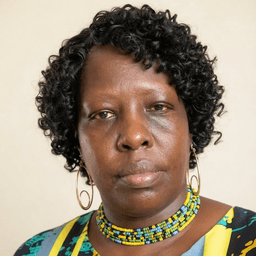

Schools in Uganda reopen in January 2022 after almost two years of closure due to the Covid-19 pandemic. The effects of this being at home has overwhelmingly seen a sharp rise in teenage pregnancies.
In a rapid assessment done in 2021 by Forum for African Women Educationalists (FAWE) Uganda Chapter, over 30.3% girls reported multiple sexual partnerships during the COVID-19 lockdown. Reasons cited for sexual engagement by girls and young women include; simply wanting to have sex (85.3%); forced to have sex/rape (2.6%); receiving money for sex (2.6%); access to basic needs including food and accommodation (2.0%); being asked by parents to have sex with men so that they can get money to support the family (0.6%). About 43.9% respondents said that sexual violence against girls has increased during COVID-19 because most girls are idle due to closure of schools. About 22.2% of girls said that some girls have been forced by circumstances of poverty in homes into transactional sex.
It is shocking to know that 9.8% of all the girls who said they will not resume school mentioned the fact that they became pregnant and cannot go back to school, as well as 9.8% of the females and only 1.5% of the boys said they married during this period of COVID-19 and therefore will not be able to resume school.
Much as government has given directive that all children should go back to school, including pregnant ones according to the guidelines of ministry of education, there are dissenting voices by a section of religious leaders e.g. Bishop James Ssebagala of Mukono Diocese who directed teachers in Church of Uganda-founded schools not to allow pregnant or breastfeeding girls from their institutions. The bishop’s directive contradicts the Ministry of Education guidelines to accept girls who got pregnant or gave birth during the lockdown.
He said although it is good for parents to support girls who are pregnant, it was not morally upright to allow them to sit in class with other children. My question is, don’t these girls deserve a second chance? Otherwise we contradict ourselves as leaders when we work against lifting women up through education if we want to see holistic and rapid development.
“All head teachers, I want to tell you that we shall not allow pregnant or breastfeeding girls in class. When all girls turn up, carry out the usual medical examination so that those found pregnant can go back and give birth they will come back after giving birth,” the bishop said.
“Imagine someone saying even breastfeeding ones should be allowed to attend class. No, this we shall not accept because our schools were started purposely not only to impart knowledge but also discipline in children. How can a teacher be teaching when a girl is giving breasts to her child?”
Commenting on the bishop’s remarks, the State Minister for Higher Education, John Chrysostom Muyingo, said it is a government directive that all children should go back to school whether pregnant or breastfeeding.
Uganda is now at the cross roads between accepting culturally sensitive and age appropriate sex education for adolescents given the huge numbers of teenage pregnancies realized during the lockdown period. It is now very clear that it is critical for the adolescents to be empowered on how they can navigate through the challenges of growing up and their sexuality. This is long overdue and I pray that the biting statistics is reason good enough for the sexuality education guidelines to be embraced and rolled out
- Health
- Gender-based Violence
- Education
- Human Rights
- Africa