
Silent Struggles: The Unseen Battles of African Women
Mar 16, 2025
story
Seeking
Visibility


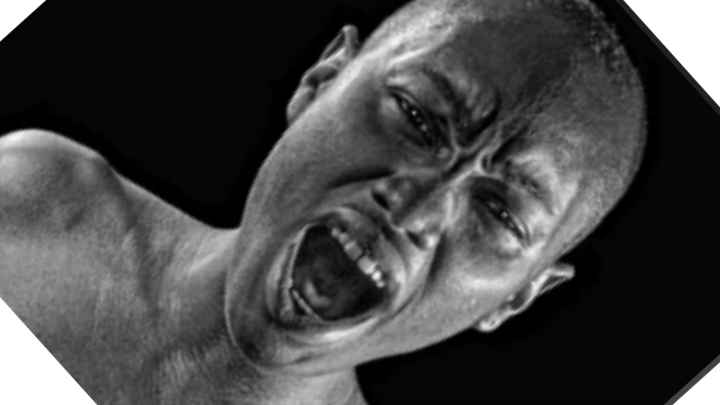
#The personal is political
In many African societies, women bear the weight of multiple gender roles, often facing undue scrutiny when they experience challenges in their sexual health. When a woman loses interest in sex or faces difficulties in her intimate relationships, the fingers of blame are quickly pointed at her. Accusations of cheating or spiritual entanglements arise, disregarding the complexities of her human experience.
'Women are not just vessels for reproduction; they are human beings with their own needs, desires, and struggles`,said renowned gender activist Angela Davis. Yet, societal discourse often overlooks the realities of hormonal imbalances, depression, or the aftermath of stressful life events.
In the realm of marriage, women frequently navigate a labyrinth of expectations. The pressure to give birth can lead to postpartum depression,a condition that is often stigmatized or ignored. Financial instability adds another layer of stress, with many women juggling the demands of work while also nurturing children and tending to their husbands’ needs.
The narrative surrounding women’s sexual health in Africa often neglects these factors. For instance, Chimamanda Ngozi Adichie once remarked, `We teach girls that they can achieve anything, but we also teach them that their worth is tied to their ability to please others.`This societal conditioning can lead to feelings of guilt and shame when a woman struggles with her sexual health, further isolating her in her pain.
As they navigate these expectations, many women find themselves overwhelmed, grappling with the emotional and physical toll of their responsibilities. The burdens of caregiving, financial pressures, and the need to conform to societal norms can manifest as anxiety and depression, yet these issues are seldom discussed openly. Instead, women are left to shoulder the blame when their bodies and minds do not conform to traditional expectations.
The personal is political,feminist icon Carol Hanisch stated, highlighting the importance of understanding how personal struggles are often rooted in systemic issues. The stigma surrounding a woman's sexual health must be addressed within the broader context of gender inequality and societal pressures. We need to create spaces for open conversations about the mental health challenges women face, including hormonal imbalances and the toll of juggling multiple roles.
Women are not defined solely by their ability to fulfill traditional roles; they are complex individuals with varying needs and experiences. It is essential to recognize that these challenges are not personal failures but societal failures to support women adequately.
In a world where women's voices are often silenced, it's time to listen to their stories and understand the nuances of their experiences. By advocating for awareness and empathy, we can dismantle the harmful narratives that perpetuate stigma and blame.
As we strive for gender equality, let us remember the words of Malala Yousafzai 'We realize the importance of our voices only when we are silenced.` It's time to amplify these voices and ensure that the struggles of women are acknowledged, validated, and addressed with compassion and understanding.
As we reflect on the silent struggles of African women, it is crucial to foster dialogues that challenge societal norms, advocate for mental health awareness, and create supportive environments where women can thrive without fear of judgment or blame. Only then can we begin to reshape the narrative around women's sexual health and well-being, allowing for a future where every woman is empowered to live her life fully and freely.
- Girl Power
- Sexual and Reproductive Rights
- Global