
Stop Plastic Pollution
Nov 8, 2023
story
Seeking
Visibility

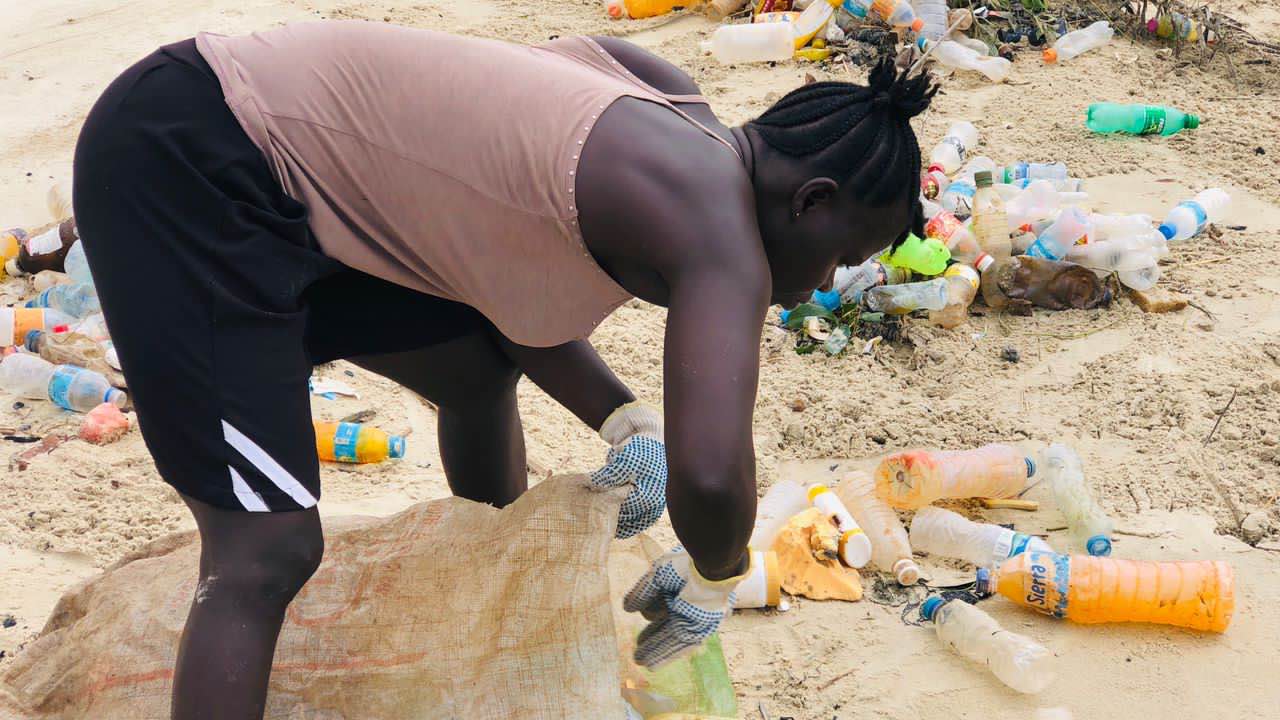
Propel Organization - SUSTAINABLE ZERO PLASTIC WASTE.
Project;
EcoVision - Refuse, Reduce, Reuse, Repurpose, Recycle
Climate change has had significant impacts on West Africa, affecting various aspects of the region's environment, economy, and society. Some of the key impacts include:
1. Increased temperatures: West Africa has experienced rising temperatures, leading to heatwaves and prolonged periods of high temperatures. This has resulted in heat-related illnesses, reduced agricultural productivity, and increased energy demands for cooling.
2. Changing rainfall patterns: Climate change has altered rainfall patterns in West Africa, leading to increased variability and unpredictability. This has resulted in more frequent and intense droughts, as well as heavy rainfall events and flooding. These changes have disrupted agricultural activities, reduced crop yields, and increased the risk of waterborne diseases.
3. Desertification and land degradation: West Africa is highly vulnerable to desertification, and climate change has exacerbated this issue. Rising temperatures and changing rainfall patterns have contributed to the expansion of arid and semi-arid areas, leading to the degradation of fertile land and loss of vegetation cover. This has negatively impacted agriculture, livestock rearing, and food security.
4. Sea-level rise and coastal erosion: West Africa's coastal areas are particularly vulnerable to the impacts of climate change, including sea-level rise and coastal erosion. Rising sea levels have led to increased flooding, saltwater intrusion into freshwater sources, and the loss of coastal ecosystems. This has affected coastal communities, fisheries, tourism, and infrastructure.
5. Loss of biodiversity: Climate change has resulted in the loss of biodiversity in West Africa. Changes in temperature and rainfall patterns have disrupted ecosystems, leading to the extinction or migration of certain species. This has implications for food webs, ecosystem services, and the livelihoods of communities dependent on natural resources.
6. Increased vulnerability and social impacts: Climate change has exacerbated existing vulnerabilities in West Africa, particularly among marginalized communities. The impacts on agriculture, water resources, and livelihoods have increased food insecurity, poverty, and migration. Additionally, conflicts over scarce resources, such as land and water, have been intensified by climate change.
Addressing the impacts of climate change in West Africa requires a combination of adaptation and mitigation strategies, including sustainable land management, water resource management, renewable energy promotion, and the development of climate-resilient infrastructure. International cooperation and support are crucial to help West African countries build resilience and adapt to the changing climate.
Refuse, Reduce, Reuse, Repurpose, Recycle – that offers improvement to the environment.
#Ministryofenvironment #ministeroftourism #nationaltourismboard #EPA #climatecrisis #npaa #USEmbassy #ClimateChange #Sustainability #Environment #climaterisk #emissions #economy #riskmanagment #risks #biodiversity #future #health
- Environment
- Africa