
Strength in Unity - Raising Awareness of the Importance of CBOs and NGOs
Aug 6, 2025
story
Seeking
Connections
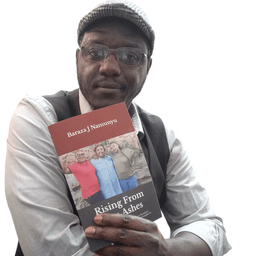

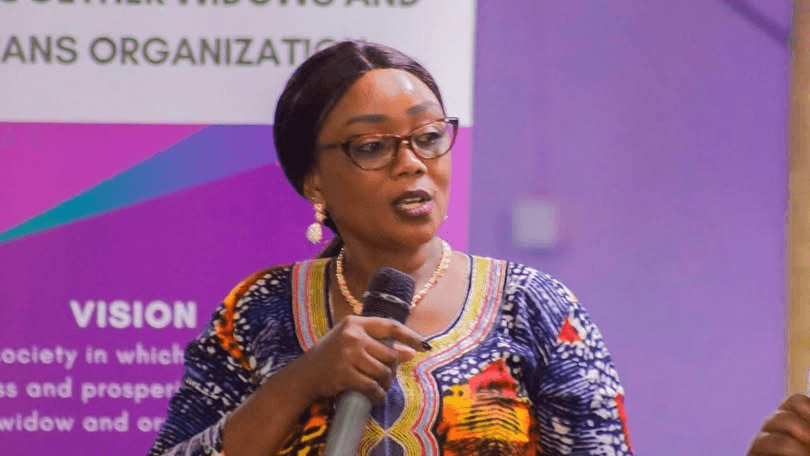
Photo Credit: Dr Dianah W. Kamande, CTWOO Kenya
"Embedding a culture of safeguarding and welfare in Kenyan society is a complex but essential goal. It requires the concerted efforts of all stakeholders, particularly CBOs and NGOs."
Strength in Unity: Raising Awareness of the Importance of CBOs and NGOs Collaborating to Embed a Culture of Safeguarding and Welfare in Kenyan Society
In the evolving landscape of social development in Kenya, the role of community-based organisations (CBOs) and non-governmental organisations (NGOs) has become increasingly vital. These entities, often operating at different levels of society, are uniquely positioned to address the multifaceted challenges of safeguarding and welfare. However, their impact is significantly amplified when they work in tandem. This essay critically explores the importance of raising awareness about the collaboration between CBOs and NGOs in embedding a culture of safeguarding and welfare in Kenyan society. It delves into the themes of community trust, policy alignment, capacity building, cultural sensitivity, and sustainability.
1. Understanding the Landscape: CBOs and NGOs in Kenya
CBOs are grassroots organisations formed by community members to address local issues. They are deeply embedded in the social fabric of their communities and possess intimate knowledge of local dynamics, traditions, and needs. NGOs, on the other hand, often operate at regional, national, or international levels, bringing in resources, technical expertise, and broader advocacy platforms. In Kenya, both types of organisations have played pivotal roles in areas such as education, health, gender equality, and child protection. However, their efforts in safeguarding—protecting individuals, especially vulnerable populations, from abuse, neglect, and exploitation—are often fragmented. Raising awareness about the need for collaboration is essential to unify these efforts and create a more coherent and effective safeguarding culture.
2. Building Community Trust and Legitimacy
One of the most significant advantages of CBOs is their rootedness in the community. They are often seen as legitimate and trustworthy by local populations, which is crucial when addressing sensitive issues such as child abuse, gender-based violence, or mental health. NGOs, while often better resourced, may struggle with community buy-in due to perceptions of external interference or lack of cultural understanding. By partnering with CBOs, NGOs can leverage local trust to implement safeguarding initiatives more effectively. Conversely, CBOs benefit from the technical support and visibility that NGOs provide. Raising awareness about this symbiotic relationship can help both entities gain broader acceptance and legitimacy in their interventions.
3. Policy Alignment and Advocacy Synergy
Safeguarding and welfare are not just operational concerns—they are deeply tied to policy and governance. NGOs often have the capacity to engage in policy advocacy at national and international levels. However, their efforts can be disconnected from the realities on the ground. CBOs, with their grassroots insights, can inform more grounded and contextually relevant policy recommendations. When these organisations collaborate, they can create a feedback loop where policy is informed by practice, and practice is supported by policy. Awareness campaigns that highlight this dynamic can encourage more strategic partnerships and influence government and donor support for integrated approaches.
4. Capacity Building and Knowledge Exchange
Another critical area where collaboration is beneficial is capacity building. NGOs typically have access to training, research, and global best practices. CBOs, while rich in local knowledge, often lack formal training in safeguarding protocols, monitoring and evaluation, or legal frameworks. Joint training programs, mentorship, and resource sharing can significantly enhance the capacity of CBOs. At the same time, NGOs can learn from CBOs about cultural nuances, local languages, and community engagement strategies. Awareness initiatives should emphasise the mutual benefits of such exchanges, showcasing success stories and models of effective collaboration.
5. Cultural Sensitivity and Contextual Relevance
Safeguarding practices must be culturally sensitive to be effective. What constitutes abuse or neglect can vary across cultures, and interventions that do not consider local norms may be rejected or misunderstood. CBOs are well-positioned to navigate these cultural landscapes, ensuring that safeguarding measures are respectful and relevant. NGOs, with their broader perspective, can help ensure that cultural sensitivity does not become a barrier to upholding universal human rights. Raising awareness about the importance of culturally informed safeguarding can help bridge the gap between global standards and local realities.
6. Sustainability and Long-Term Impact
Sustainable change requires long-term commitment and local ownership. While NGOs may have project-based funding cycles, CBOs often remain in communities indefinitely. Embedding a culture of safeguarding and welfare requires consistent messaging, role modelling, and community engagement—areas where CBOs excel. By working together, NGOs can ensure that their interventions have lasting impact through local stewardship, while CBOs can access the resources and networks needed to sustain their work. Awareness campaigns should highlight the importance of sustainability and the role of collaboration in achieving it.
7. Challenges to Collaboration
Despite the clear benefits, collaboration between CBOs and NGOs is not without challenges. These include competition for funding, differences in organisational culture, power imbalances, and lack of communication. CBOs may feel overshadowed or exploited, while NGOs may struggle with accountability and transparency at the grassroots level. Addressing these challenges requires intentional efforts to build trust, establish clear roles, and promote equitable partnerships. Awareness efforts should not shy away from these issues but rather use them as opportunities for dialogue and improvement.
8. The Role of Media and Technology in Awareness Raising
Media and technology can play a transformative role in raising awareness about the importance of CBO-NGO collaboration. Documentaries, social media campaigns, community radio, and digital storytelling can showcase successful partnerships and highlight the impact of joint safeguarding efforts. Moreover, digital platforms can facilitate communication, training, and data sharing between organisations. Investing in digital literacy and infrastructure can further enhance collaboration and awareness.
9. Recommendations for Action
To effectively raise awareness and promote collaboration, the following actions are recommended:
- Develop joint awareness campaigns that highlight the roles and successes of CBO-NGO partnerships.
- Create platforms for dialogue and networking between CBOs and NGOs at local and national levels.
- Encourage donor agencies to fund collaborative projects and capacity-building initiatives.
- Integrate safeguarding training into all community development programs.
- Promote inclusive policy-making that values grassroots input and experience.
Conclusion
Embedding a culture of safeguarding and welfare in Kenyan society is a complex but essential goal. It requires the concerted efforts of all stakeholders, particularly CBOs and NGOs. By raising awareness about the importance of their collaboration, we can foster more effective, culturally sensitive, and sustainable interventions. The strength of Kenya’s social fabric lies in its communities—and when those communities are supported by unified, well-coordinated organisations, the potential for positive change is boundless.
- Health
- Human Rights
- Education
- Leadership
- Environment
- Economic Power
- Global