
Support for women and girls victims of violence in Minova
Jan 16, 2025
initiative
Seeking
Action
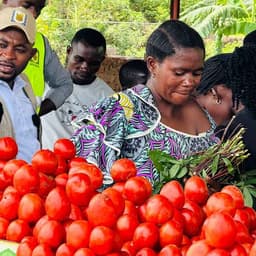
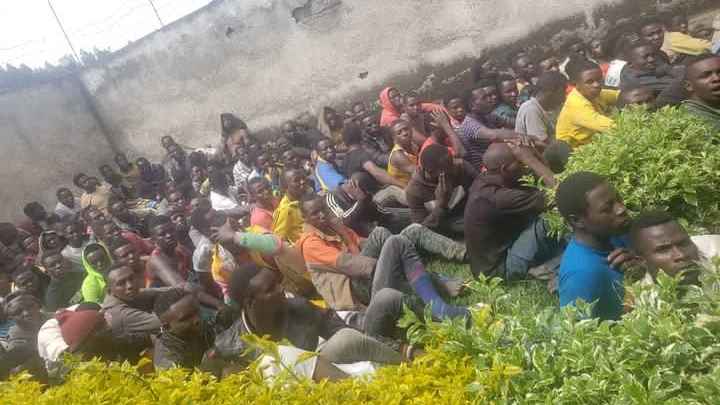
Minova, a town in the Democratic Republic of Congo (DRC), has been a focal point for addressing gender-based violence (GBV), particularly against women and girls. The town gained international attention after widespread sexual violence occurred during the 2012 conflict. Since then, various organizations and initiatives have worked to support survivors and prevent further violence. Below are key areas of support for women and girls in Minova:
1. Medical and Psychological Support
- Access to Healthcare Services:
- Organizations like Panzi Foundation and Médecins Sans Frontières (MSF) provide critical medical care to survivors of sexual violence, including:
- Treatment for physical injuries.
- Post-exposure prophylaxis (PEP) to prevent HIV.
- Emergency contraception to prevent unwanted pregnancies.
- Local health centers offer ongoing care, though resources remain limited.
- Psychosocial Support:
- Survivors receive counseling and trauma care to address the psychological impact of violence.
- Training local counselors and therapists helps create sustainable support systems for mental health.
2. Legal Assistance
- Justice for Survivors:
- Efforts have been made to hold perpetrators accountable, particularly those involved in mass violence during the 2012 incidents.
- Legal aid organizations provide survivors with access to lawyers and support them through the judicial process.
- Awareness campaigns inform survivors about their rights under Congolese law, including the 2016 law on sexual violence.
3. Safe Spaces and Shelters
- Temporary Shelters:
- Safe houses provide immediate refuge for women and girls fleeing violence.
- These spaces also serve as hubs for survivors to access other forms of support, such as healthcare and legal aid.
- Community Support Centers:
- Centers in Minova act as places for survivors to rebuild their lives, offering resources such as counseling, training, and childcare.
4. Economic Empowerment Programs
- Vocational Training:
- Programs teach survivors income-generating skills such as sewing, farming, or small business management.
- Organizations like Women for Women International and local NGOs run these initiatives to help women achieve financial independence.
- Microfinance and Grants:
- Survivors can access small loans or grants to start businesses, empowering them to rebuild their lives and reduce economic dependency on abusive relationships.
5. Awareness and Prevention Campaigns
- Community Engagement:
- Grassroots initiatives work with community leaders, religious figures, and traditional authorities to challenge harmful cultural norms that perpetuate violence.
- Awareness campaigns educate communities about the rights of women and the consequences of GBV.
- Education for Girls:
- Efforts to keep girls in school reduce their vulnerability to violence and early marriage.
- Scholarships and support for education aim to empower the next generation of women.
6. Partnerships and Collaboration
- Local Organizations:
- Groups like Association des Femmes pour le Développement Endogène (AFEDE) focus on empowering women and supporting survivors in Minova.
- International NGOs:
- Organizations like UNICEF, UN Women, and CARE International provide technical and financial support for GBV prevention and response programs.
- Government Initiatives:
- Though limited, government involvement includes efforts to improve legal frameworks and allocate resources for GBV services.
7. Challenges in Minova
- Insecurity and Instability: Ongoing conflict in the region makes it difficult to implement sustainable programs.
- Stigma and Fear: Survivors often face social stigma, discouraging them from seeking help.
- Limited Resources: Health centers and shelters are underfunded, and there is a lack of trained personnel.
- Impunity: Many perpetrators of violence are not held accountable, undermining trust in the justice system.
8. Recommendations for Strengthening Support
- Expand Medical Services: Increase funding for health centers and train more medical professionals in treating GBV survivors.
- Strengthen Legal Systems: Improve access to justice through mobile courts and enhanced survivor protection during legal proceedings.
- Invest in Economic Empowerment: Scale up programs that provide financial independence to survivors.
- Promote Long-Term Peacebuilding: Address the root causes of violence, including conflict, poverty, and inequality.
Conclusion
Supporting women and girls in Minova requires a comprehensive approach that integrates healthcare, legal aid, economic empowerment, and education. Continued collaboration among local communities, NGOs, and international partners is essential to build a safer and more equitable environment for survivors to heal and thrive.
- Gender-based Violence
- Human Rights
- Environment
- Peace & Security
- Economic Power
- Girl Power
- Global