
Support Mother's first
May 6, 2025
story
Seeking
Action


Motherhood: It's Okay Not to Be Okay ❤️
The journey of motherhood, while often beautiful, can feel like a rollercoaster. Every mother's experience is unique, filled with incredible highs and, undeniably, significant challenges. In the whirlwind of welcoming a new life, it's easy for the focus to shift entirely to the little one. But as the poignant quote reminds us: "Everyone wants to hold the baby, but who holds the mum?"
This simple question encapsulates a profound truth about the postpartum period and beyond. While the arrival of a baby brings immense joy, it also brings significant physical, emotional, and social adjustments for the mother. The pressure to be a "perfect" parent can be overwhelming, often overshadowing the vital importance of maternal mental well-being.
It's crucial to understand that 1 in 5 mothers experience perinatal mood and anxiety disorders (PMADs). These are real, treatable conditions that can affect anyone, regardless of their background or how much they love their child. PMADs can manifest in various ways, including:
* Feeling overwhelmed or constantly anxious: A persistent sense of worry that can be difficult to control.
* Struggling with sleep or appetite changes: Beyond the typical sleep deprivation of new parenthood, this can involve significant insomnia or drastic changes in eating habits.
* Wanting to withdraw from friends and family: Feeling isolated and disconnected from your usual support system.
* Feeling guilty or like you're not good enough: Persistent self-doubt and a sense of inadequacy as a parent.
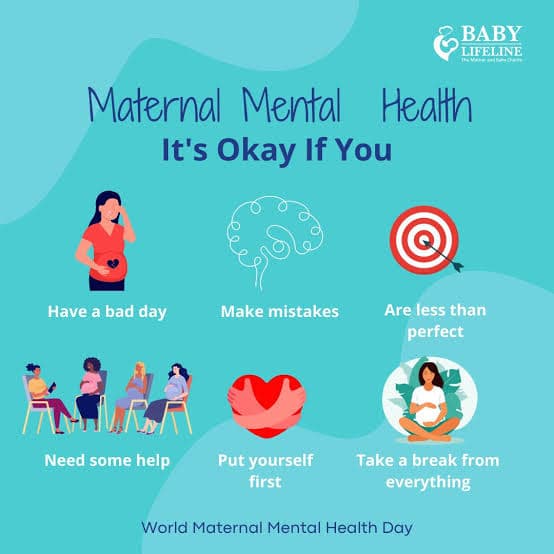
If any of these feelings resonate with you, please know that you are not alone, and these feelings do not make you a bad mother. It's a sign that you might need support, and seeking help is a sign of strength.
Here are some simple yet powerful ways to prioritize your mental health during this transformative time:
* Ask for Help: Don't hesitate to lean on your partner, family, and friends for practical and emotional support. Let them know what you need, whether it's help with chores, a listening ear, or simply a break.
* Small Self-Care Wins: Even a few minutes dedicated to yourself can make a significant difference. This could be enjoying a warm drink, taking a short walk, or reading a few pages of a book.
* Connect with Other Parents: Sharing your experiences and challenges with others who understand can be incredibly validating and reduce feelings of isolation. Join a local mom's group or online community.
* Be Kind to Yourself: Adjusting to motherhood takes time, and there will be good days and tough days. Practice self-compassion and remember that you are doing an amazing job.
* Reach Out for Support: If you're struggling, talking to a healthcare professional, therapist, or counselor can provide you with valuable tools and strategies to navigate your mental health.
Investing in maternal mental health is not just about supporting individual mothers; it's an investment in healthier families and brighter futures for our communities. By breaking the stigma surrounding maternal mental health and fostering a culture of support, we can ensure that every mother feels held and empowered on her journey.
To all the mothers out there: Remember, it's okay not to be okay. Your well-being matters. Who is holding you? Make sure you have the support you deserve. #MaternalMentalHealth #PostpartumSupport #ParentingJourney #Wellbeing #YouAreNotAlone

#WhoHoldsTheMum
- Girl Power
- Human Rights
- South and Central Asia