
Support Technology empowerment for grassroots girls
Aug 3, 2021
story

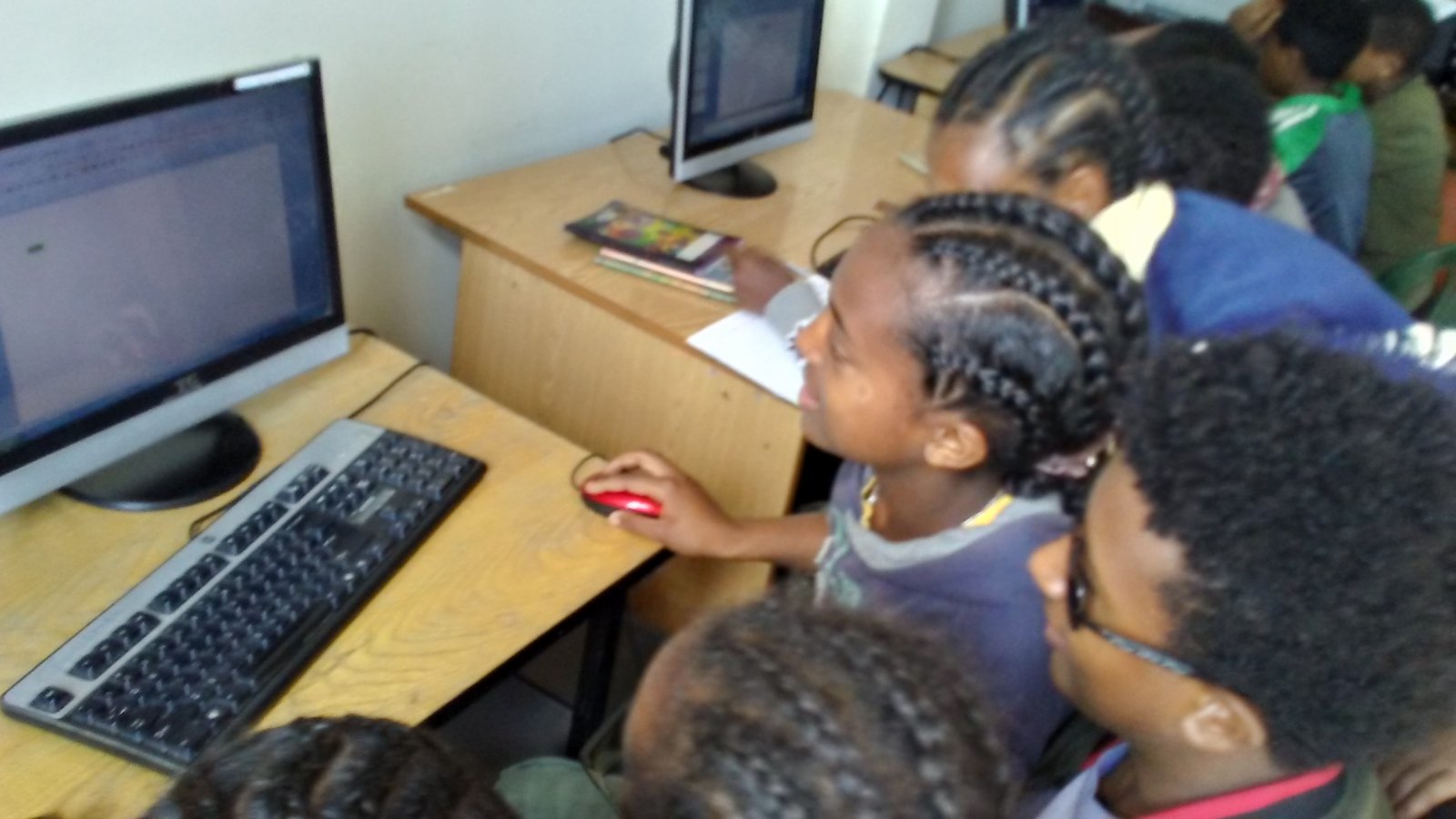
Our commitment is to work to improve the situations in the target project communities in the grassroots of Ethiopia. NLK is frontlines in increasing communities’’ support to prevent Violence against women/girls /children and HIV. We focus on offering support to girls and women; men choosing nonviolence; offering support to other activists in the grass root communities of Ethiopia. Our work include supporting girls education, increasing the women’s/girls’ sense of self-worth, decision-making power, access to opportunities and resources, power and control over their own life inside and outside the home, as well their ability to effect change. Our objective is to improve the target women/girls /children’s social, economic and health situations. In particular, prioritizing girls' education provides perhaps the single highest return on investment in the developing world including that of my own country Ethiopia. An educated girl is more likely to postpone marriage, raise a smaller family, have healthier children, and send her own children to school. Our Girls children today will grown up to an adult women tomorrow, whereas the educated women will have more opportunities to earn better income, participate in socio-economic , political and entire development processes, and she is less likely to become infected with HIV. Women's health and safety is another important area. HIV/AIDS is becoming an increasingly impactful issue for women. This can be related to women having fewer opportunities for health education, unequal power in sexual partnership, or as a result of gender-based violence. The word gender describes the socially-constructed roles and responsibilities that societies consider appropriate for men and women. Gender equality means that men and women have equal power and equal opportunities for financial independence, education, and personal development. Education is a key area of focus. Although the world is making progress in achieving gender parity in education, girls still make up a higher percentage of out-of-school children than boys. Families may also rely on girls' labor for household chores, carrying water, and childcare, leaving limited time for schooling. Maternal health is also an issue of specific concern. In many developing countries like that of my own country Ethiopia, women have limited access to prenatal and infant care, and are more likely to experience complications during pregnancy and childbirth. This is a critical concern in countries where girls marry and have children before they are ready; often well before the age of 18. Quality maternal health care can provide an important entry point for information and services that empower mothers as informed decision-makers concerning their own health and the health of their children. We deeply appreciate any possible support Therefore, in contrary , to our tradition that undermines women and girls in general development process, this is the time for us to think of paradigm shift about building gender inclusive culture that equally nurture, care and educate both girls and boys of our community/society. Your possible collaboration with us to contributes to our ongoing endeavor to improve the technology skills and access for the target girls at the grassroots is deeply appreciated
- Girl Power
- Africa