
The Aurora Borealis: Nature's Most Expensive Light Show (That's Actually Free)
Oct 4, 2025
update
Seeking
Visibility


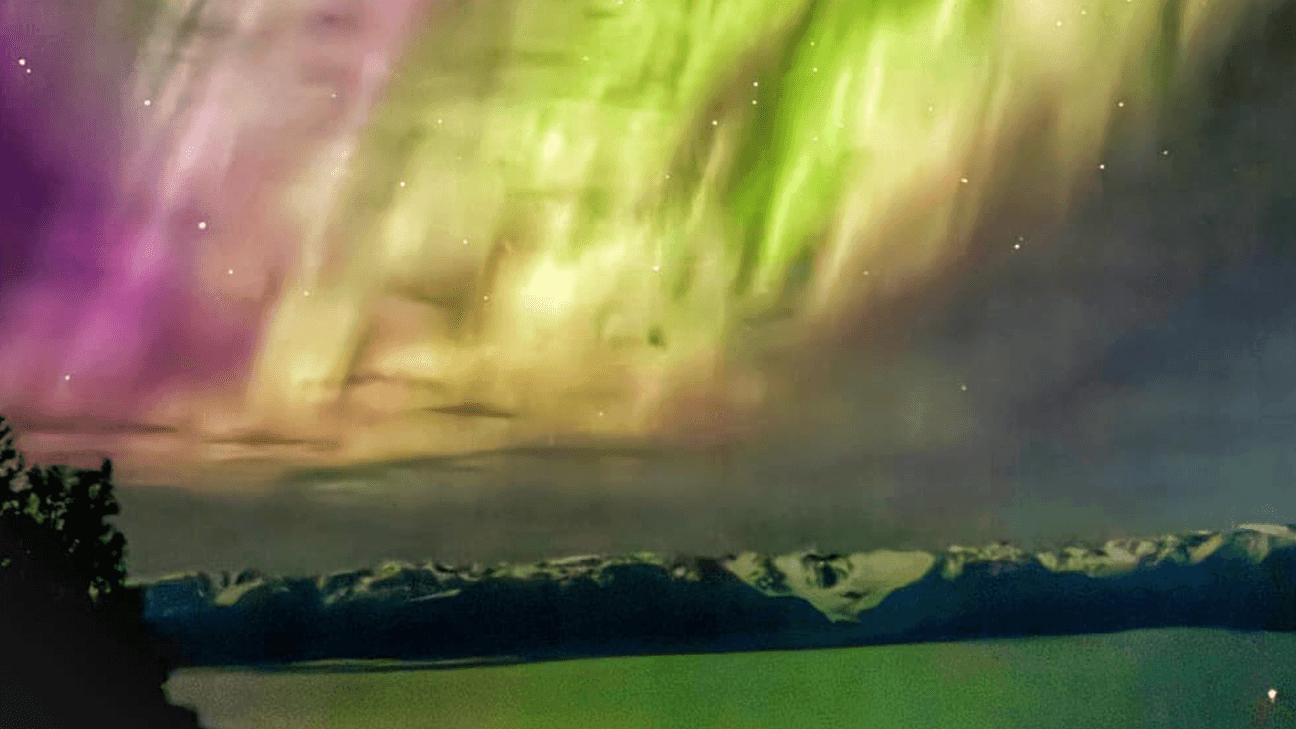
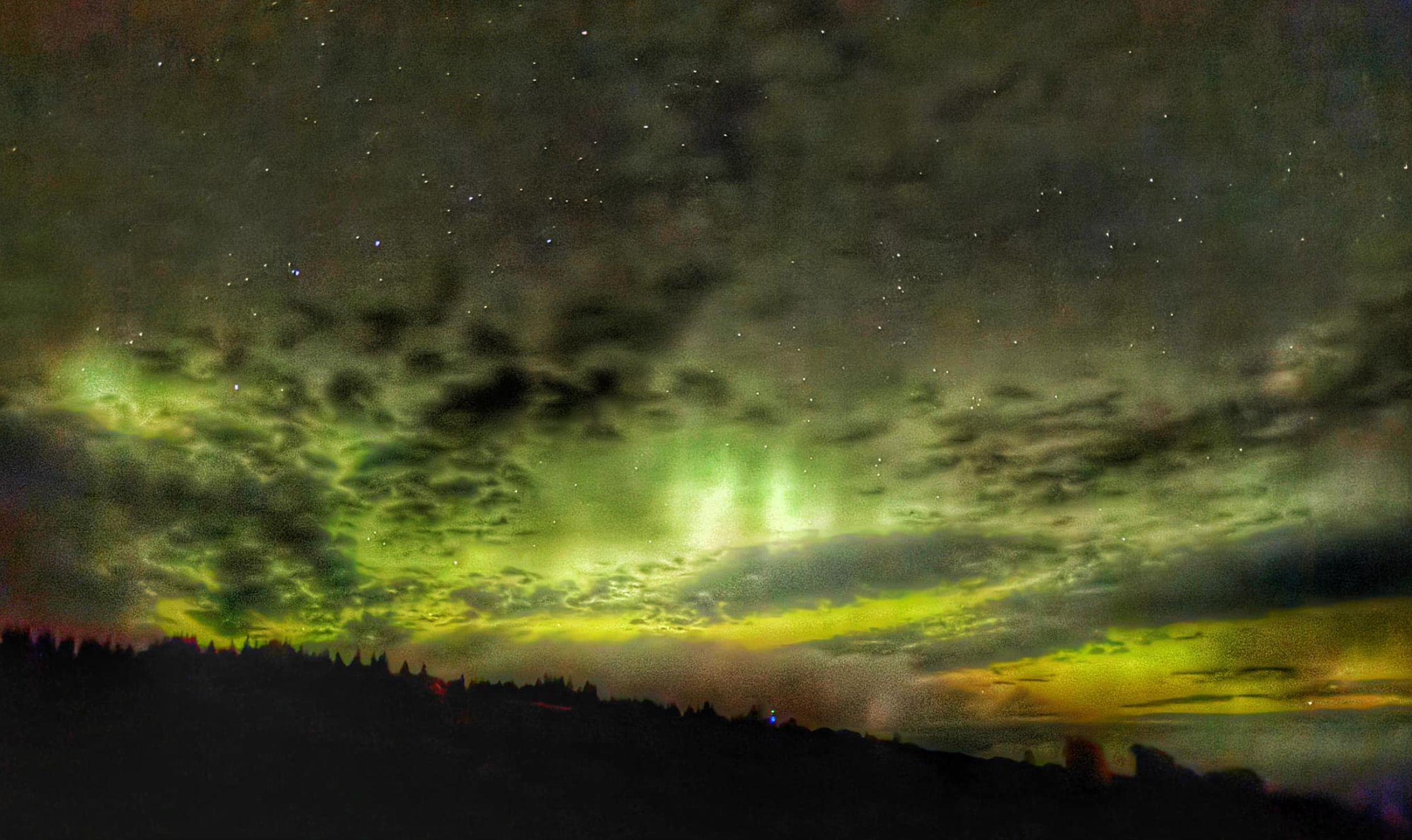
Listen, I've stood on my deck in Homer, Alaska at 2 AM in my pajamas, clutching a thermos of Egyptian Licorice tea that was still pleasantly warm (thanks to that mild maritime climate), waiting for the Aurora Borealis to appear. And let me tell you something: when those emerald ribbons finally waltzed across the sky, I completely forgot I was supposed to be sleeping like a normal person. I typically average 4-5 hours a night.
The Northern Lights are caused by what scientists call "solar tantrums." When the sun throws explosive fits, particles get hurled toward Earth, breaking apart as they hit our atmosphere and emitting light as they reform. Think of it as the universe's most elaborate fireworks display, except instead of a bored teenager lighting fuses in a parking lot, it's powered by a giant nuclear furnace 93 million miles away. No pressure.
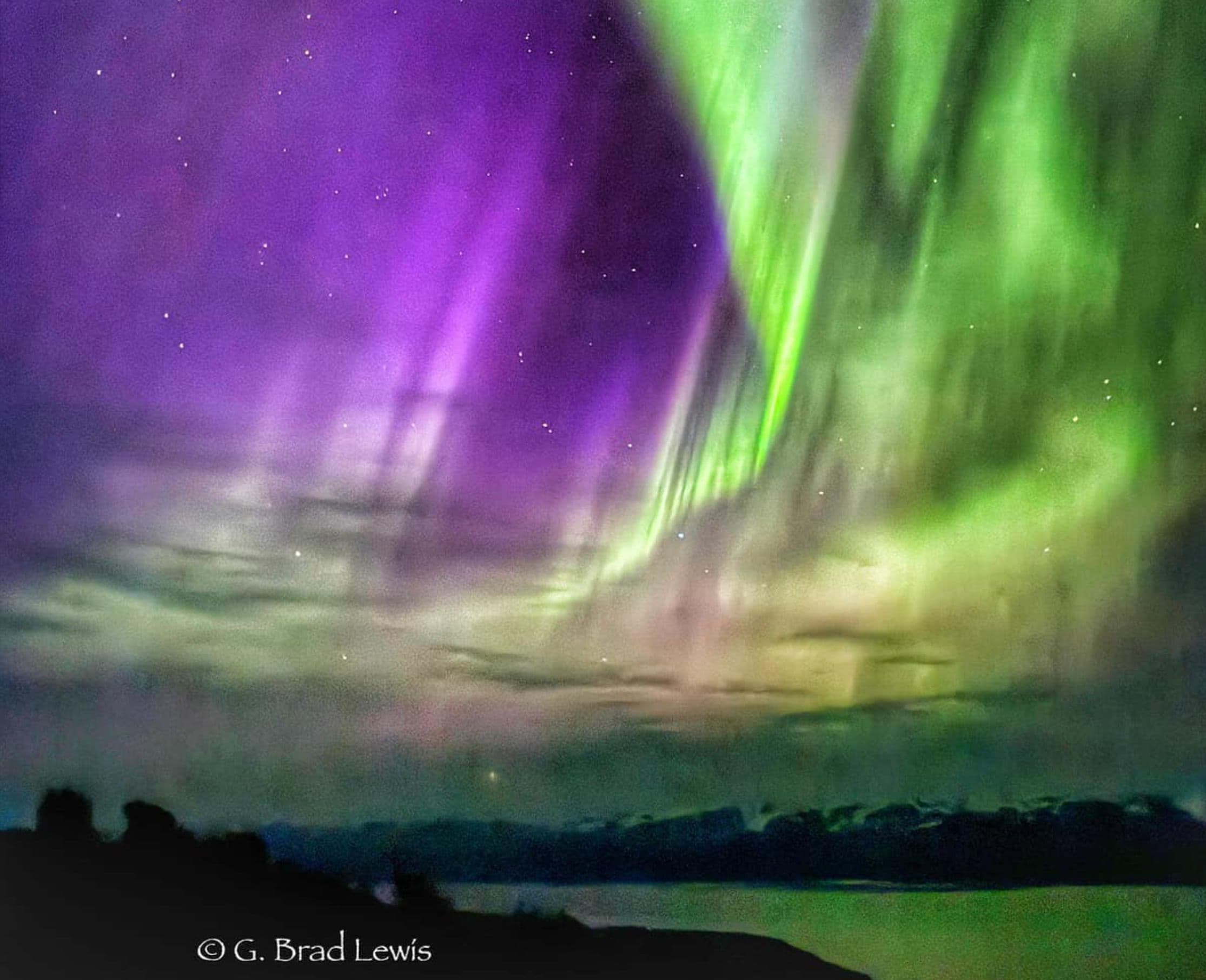
Here's the kicker: the color you see depends on which gas is present—oxygen gives us that iconic green glow, while nitrogen produces red. Very rarely, you might spot blue auroras, though good luck distinguishing blue from black at midnight when you're half-convinced you're hallucinating from cold-induced delirium.
Now, let me address the elephant in the frozen tundra: Does climate affect auroras?
Short answer: Nope. The auroras themselves don't care one bit about our weather. They're happening up there whether it's sunny, snowing, or the apocalypse. But here's the cruel cosmic joke—we need clear skies to see them. Cloud cover completely blocks the view, which means climate patterns that bring more storms and cloud coverage make it harder for us earthbound humans to witness this celestial spectacular. The lights are still partying; we're just stuck behind frosted windows like uninvited guests.
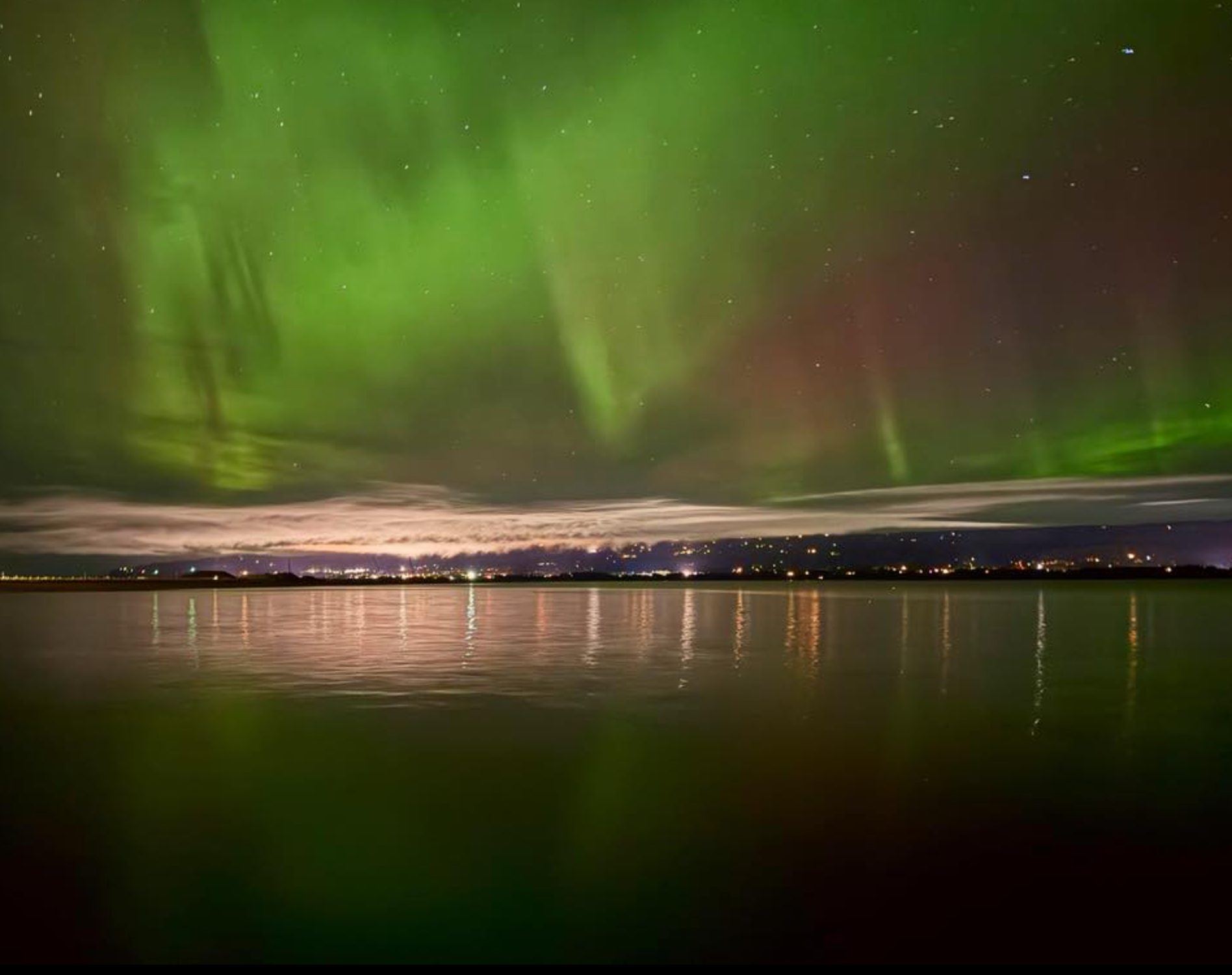
Speaking of parties, some of the world's most talented aurora photographers have dedicated their lives to capturing these ephemeral dances. Legends like Babak Tafreshi, who's chased auroras across multiple continents, and Ben Bush, whose work has graced countless magazines, have mastered the art of freezing these fleeting moments. Then there's Yuichi Yokota from Japan, whose patience and precision have produced some of the most breathtaking aurora portraits ever recorded.
Want to see the crème de la crème of aurora photography? Check out the Northern Lights Photographer of the Year competition, where the world's best shooters compete to capture the aurora's magic. Warning: viewing may cause extreme wanderlust and impulsive flight bookings.
The best viewing season runs from late August to April, but here's a secret most tourists don't know: forget December and January. The spring and autumn equinoxes actually produce the most frequent aurora displays. Mother Nature loves irony—the months everyone flocks to Alaska aren't even the statistical favorites.
In places like Homer, Alaska, where the Kachemak Bay provides a dramatic foreground and the mountains frame the northern horizon, the auroras perform their greatest hits. The trick is finding dark locations away from light pollution with unobstructed views—which in Homer means pretty much any beach where you're willing to risk a chill for art.

Now, here's a riddle for you: What do the Northern Lights and my former college roomie have in common?
They're both incredibly beautiful, completely unpredictable, show up when you least expect them, disappear right when you think you've got them figured out, and no amount of preparation can guarantee they'll appear when you want them to. Life with friends!
The moral of the story? Pack warm layers, bring a camera with spare batteries (the cold drains them faster than your phone at 1% battery), and accept that aurora hunting is fundamentally an exercise in optimistic masochism. You'll spend hours in sub-zero temperatures, probably see nothing, but the one time those lights appear? You'll understand why people have built entire mythologies around them.
- Leadership
- Peace & Security
- Earth Emergency
- Indigenous Rights
- Peace Building
- Climate Change
- Global