
The Bronx is [Birthing]: Disparities & Solutions
May 28, 2019
story
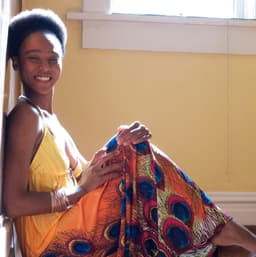

The Bronx is birthing. My beloved hometown is brimming with life everywhere I look – summertime has finally arrived and everyone is out enjoying the vitality of the sun. I notice the pregnant bellies making their debut after the long winter, encouraging smiles and congratulatory greetings for such a common yet miraculous occurrence. Everything about families and youth in my community reminds me that this place once was burning and is resilient in spirit. However, this picture of resurrection has worrisome trends when it comes to maternal and infant health.
As a doula and midwife, Bronx native, and reproductive health advocate, the numbers and statistics reported about the Bronx and other low-income communities come alive in my work. From the 2015 report,New York City Community Health Profile Atlas, the rate of expectant parents who received late or no prenatal care was highest in the Bronx. The borough’s rates of infant mortality, and percentages of low birth weight, prematurity, teen pregnancy, and late or no prenatal care exceed — in some cases substantially — those of the city and country, as reported in 2013by the Bronx Health Link. These studies only confirm what I have witnessed and begin to explain the full breadth of the challenges faced by childbearing people in the Bronx.
I have resided in the Bronx most of my life and know that poverty and racism play the biggest role in these shameful disparities. As the nation’s poorest congressional district with a large African American and Latino population, the Bronx has been failed by its leaders and politicians in securing basic needs such as adequate food, housing, healthcare and so on. The current trends in pregnancy and childbirth such as home birth, doulas and midwives are only now beginning to gain more acceptance and accessibility in my community. While I have not witnessed death in my birthwork, the abuse and neglect by the medical profession and staff is apparent and not highlighted as often as the mortality rates. I am speaking of a human rights issue that was highlighted by the Center for Reproductive Rights’briefing paperon reproductive rights violations as cruel, inhuman and degrading treatment. The birthing individuals in the Bronx are being violated on every level.
Too often in births that I have attended in Bronx hospitals, there has been outright cruelty, mockery, and neglect, which contribute to the disparities. This is one of the truest things I’ve learned: people will avoid doctors and hospitals, even during pregnancy, if they feel mistreated, degraded, ignored and cannot trust the medical staff. Where are the efforts to ensure human beings are not sitting in waiting rooms actively miscarrying because the hospital is more concerned with finding out who’s paying for the procedure? Where are the reports detailing how inhumane it is to concentrate a large number of medical students in Bronx hospitals, thus continuing the legacy of the American medical establishment practicing on impoverished, marginalized communities who often have no agency to demand better care? What good is it to residents of the Bronx and other low-income communities nationwide if their hospitals, such as Lincoln Hospital, are named “baby-friendly” when the experiences tell a different story? I have personally witnessed each and every anecdotal example I have posed in the aforementioned questions; I am repulsed by what I have seen and heard. This is why I actively work to be part of the remedy. There are various solutions being worked on that help to address these nuances not reported.
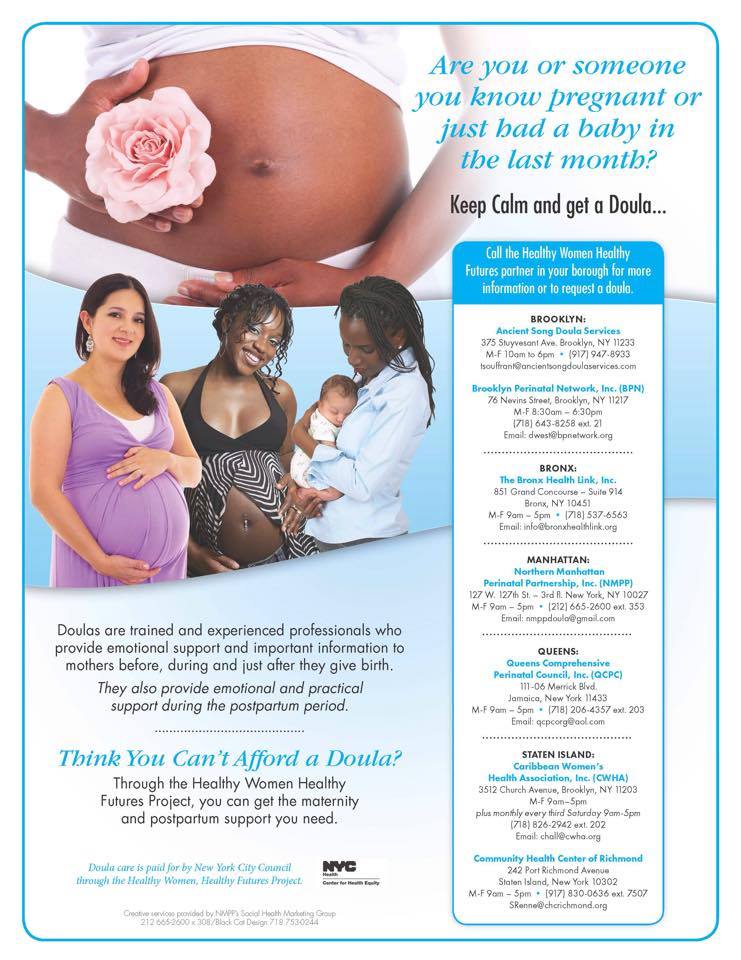
Through my work as a faculty member atSadie Nash Leadership Project, I have been given the opportunity to facilitate discussions with high school women about their reproductive health and lifestyles. It is from this work that I understand early education of youth in the Bronx can further contribute to lowering the number of teen pregnancies in the Bronx, which is currently thehighestin New York City. Recently, theHealthy Women Healthy Futures (HWHF)program, a citywide initiative whose goal is to promote the health of women, children, and families throughout the five boroughs of New York City, has made efforts to provide free birth and postpartum doula services to the women of New York City. I have committed to serving women in the Bronx through theBronx Health Link, one of the partners of the program; I have offered both generous praises and scathing critiques to ensure the efforts are grounded in truly serving low-income women and doulas.
The solutions exist but the lack in capacity and the timely distribution of resources render them useless; to continually ask for myself or the community members to develop solutions without agencies and leaders willing to make them manifest is insulting. My recommendations include increasing funding for programs such as HWHF and removing bureaucratic barriers that hinder well-meaning initiatives before they have the chance to be effective. My next recommendation calls for a commitment backed by tangible actions from hospitals and healthcare providers to provide culturally relevant care to disenfranchised communities. It is in these clinical settings that the greatest amount of disempowerment and degradation occurs; this must be obliterated. Within this suggestion comes the strong urgency for more doulas and midwives in the Bronx. With the model of client-centered care, these professionals can lead the way for how maternity and reproductive health services can be transformed in the Bronx and across all communities. Additionally, I encourage the proliferation of comprehensive education, both from the state and individual efforts. I would admonish all agencies and individuals to have critical conversations about respect and humane treatment in healthcare while dismantling the internalized oppression that undermines the ability to give quality care.
Furthermore, artists and activists are organizing ways to elevate all the narratives that exists in the Bronx and other disenfranchised communities. I have begun a series of profile pieces calledThe Bronx is [Birthin’]in which I interview and transcribe the reproductive experiences of individuals who have birthed in the Bronx. It is crucial to hear the needs and stories in the voices of Bronx residents - the statistics serve to dehumanize the very real experiences in my home. It is important to remember that despite the grim statistics and state of maternal and reproductive healthcare in the Bronx, there is a lot being done to reverse the effects of racism, intergenerational trauma and poverty. The families in the Bronx are strong and resilient. They will continue to birth and bring life into their communities. It is our duty to ensure they have the best quality of life and services.
- Health
- Gender-based Violence
- Human Rights
- Sexual and Reproductive Rights
- Northern America