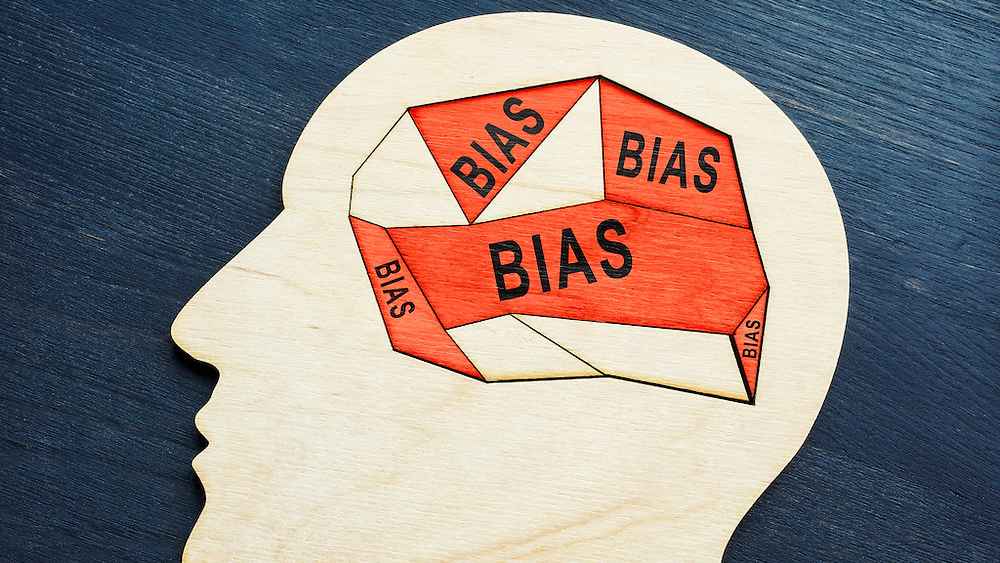
I first understood unconscious bias not from a book or workshop but from everyday moments that seemed small at the time.
Once, during a university project meeting, I noticed how men in the room naturally turned to my male colleague whenever decisions were being discussed, even though I was the one leading the project. No one said anything rude, but it was clear they trusted his voice more than mine.
At first, I stayed quiet, thinking maybe it wasn’t intentional. But over time, I realized it happens to many women in Pakistan; people don’t even notice when they overlook a woman’s opinion or assume she’s just “helping” instead of leading.
So instead of getting upset, I started speaking with more confidence, owning my space, and reminding myself that change begins with presence. Slowly, people began to turn their questions to me, not because I demanded it, but because I showed through my work that I deserved it.
That’s when I truly understood unconscious bias, it’s not always about what people say, but about what they don’t realize they’re doing. And the only way to deal with it is to stay consistent, speak up, and keep showing up until respect becomes natural, not selective.