
The Echo of Gentle Living: "A Community Reawakens"
Jun 13, 2025
story
Seeking
Encouragement


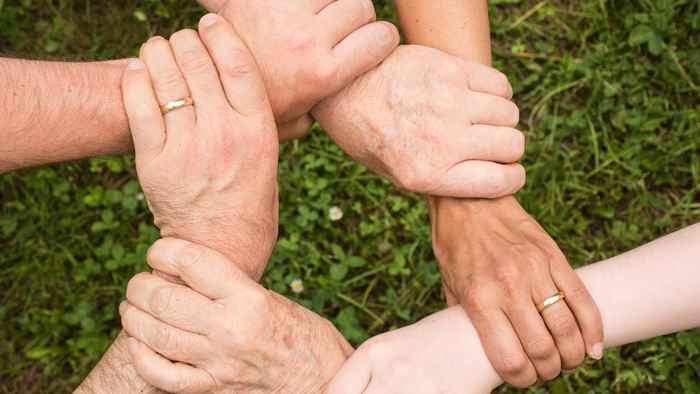
Photo Credit: Google
The Soft Revolution: Reclaiming Time, Rebuilding Souls
In today’s relentless pace, the idea of building a community that cherishes rest and healing may seem almost revolutionary. Yet the seeds for such a transformation are sown in historical practices, ancient wisdom, and an emerging awareness that our bodies and minds are not endless reservoirs of energy. What will it take to build a community that values rest and healing, and how might we collectively reclaim our ability to experience calm and wholeness?
At its core, a community that prioritizes rest and healing is one that recognizes the inherent limits of human endurance. Modern society has constructed a paradigm where productivity is prized above personal well-being and where the hustle becomes a badge of honor. However, countless studies and personal testimonies attest to the fact that sustained physical and mental stress ultimately undermines not just productivity but life itself. It is an awakening—an invitation to pause—that has begun to take root. Creating that space calls for both individual dedication and systemic transformation.
The journey toward such a community intersects culture, environment, and economics. In the early morning light of small towns and rural enclaves, people have long practiced the art of deep listening to nature and their own bodies. These communities observe natural cycles, yielding to seasonal rhythms and prioritizing rest following intense periods of activity. They have established rituals that mark the day—a quiet cup of tea at dawn, communal meals shared in reflective silence, and evening gatherings where stories and gentle laughter provide solace. These practices remind us that rest is not laziness; it is a form of respect for one’s body and soul.
Building such a community requires a multi-pronged approach. It begins with education—the need to reframe the story we tell about rest. Rest must be portrayed as an active, empowering state rather than as a passive retreat. Historical accounts, spiritual practices, and modern science converge on a single truth: healing is achieved when one allows time for recovery, processing, and transformation.
The role of public spaces in fostering rest and healing also cannot be overstated. Cities and towns that incorporate ample green spaces, quiet zones, and community centers dedicated to wellness help individuals reconnect with their inner rhythms. Imagine a neighborhood park designed not just for play and recreation but for silent reflection, meditation, and even restorative yoga sessions. These spaces become sanctuaries where the community gathers to breathe, think, and heal—a stark contrast to the cacophony of urban life. The physical reclamation of space, in essence, is the first step toward reclaiming our mental and emotional spaces.
Equally important is the transformation within schools and workplaces. When children learn the value of pauses and mindfulness in educational settings, the seeds of a restorative culture are planted early. Curriculums that integrate mindfulness practices, meditation, and periods of unstructured time lay the groundwork for teenagers and young adults to appreciate balance. In the workplace, leaders who model healthy boundaries encourage employees to detach from work-related stress. This, in turn, promotes a culture where taking time off, enjoying vacations, or simply disconnecting during weekends is celebrated rather than stigmatized. In these ways, rest molds not only our lifestyle but also our collective ambitions.
Beyond structural changes, there is a profound spiritual and emotional dimension to this quest. Community rituals that celebrate seasonal changes, honor life transitions, and commemorate personal journeys of healing are essential. When community members share their stories of trauma and recovery in safe spaces—be it through art, conversation, or communal gatherings—a fabric of empathy and mutual support is woven. Healing, after all, is not merely an individual act but a communal journey. The sharing of vulnerabilities, the acknowledgment of weakness, and the rallying of collective strength can create an environment where healing becomes both personal and shared.
The rise of digital detox movements and retreats is a testament to this growing desire for recalibration. In recent years, rural retreats and urban sanctuaries have sprung up, offering people an escape from the endless digital barrage. These retreats are more than just vacations; they are immersive experiences that teach participants to reconnect with themselves. In one such retreat, participants engaged in sunrise meditation, mindful gardening, and communal storytelling sessions, all designed to foster a deep sense of inner peace and community belonging. Such initiatives raise an important question: Can these pockets of rest eventually inspire policymakers and business leaders to rethink societal priorities?
Economic incentives also play a critical role. When communities invest in wellness centers, subsidize mental health programs, and promote work environments that allow flexible schedules, they send a resounding message: Rest and healing are valuable commodities. It is not enough, however, to offer temporary reprieves from stress. To truly build a community that fosters healing, the incentives must align with long-term well-being. This alignment might require significant upfront investments—be it in infrastructure, healthcare, or education—but will pay dividends in a healthier, more motivated population.
The road ahead is challenging. It requires a cultural revolution where rest is valued as much as achievement, and healing is seen as an essential part of growth rather than a response to injury. Influential leaders, from policy makers to business executives, have a pivotal role to play. Their decisions can shape infrastructures that integrate rest into daily life, making it a natural part of our routines rather than a special exception. Ultimately, the success of these initiatives will depend on the willingness of entire communities to embrace a slower, more mindful pace of life—a pace that honors the necessities of rest and the transformative power of healing.
The essence of building a community that values rest and healing lies in creating a shared vision where well-being is the cornerstone of progress, not an afterthought. It is about recognizing our collective need to pause, reflect, and mend—both individually and together—and embedding that need into the fabric of society. We are not simply constructing buildings or drafting policies; we are cultivating a culture, an ethos that reveres the quiet moments, the pauses, and the inner journeys that reveal our true strengths.
In conclusion, building such a community demands a multifaceted approach: a redefined cultural narrative, a restructuring of physical spaces, the introduction of educational practices that welcome mindfulness, and economic policies that prioritize well-being over constant output. It is a vision of a future where every individual is valued not only for what they produce but for their inherent need to rest, reflect, and heal.
By nurturing environments that recognize the importance of these fundamental human needs, we pave the way for more resilient, compassionate, and inspired communities. The challenge is immense, but so too is the promise of a society where every heartbeat is honored, every pause is respected, and every soul is given the space to heal. Today, as we look into the future, the call to action is clear: let's invest in our collective rest so that we might all emerge renewed, ready to build a world that thrives on balance, empathy, and lasting well-being.
- Shout Your Vision
- From Distraction to Collective Action
- Stronger Together
- #FundHerNow
- Earth Emergency
- Caring for Ourselves
- Global