
The Girl who was never heard
Jul 16, 2025
story
Seeking
Action

Annah was only sixteen, but her soul felt a hundred years old. She lived in the green hills of southwestern Uganda, where morning fog wrapped the banana plantations like a soft veil, and birds sang sweet melodies as if the world had no pain. But inside Annah, it was a storm, loud, dark, and endless. Her silence wasn’t because she was shy; it was because the world had taught her that speaking only brought more pain.
At home, life was hard. Her father was a bitter drunk who blamed her for everything that went wrong, including her mother leaving years ago. He said her eyes reminded him of the woman who ran away, and that alone made her a target for his anger. While other girls her age were playing volleyball or plaiting hair after school, Annah was busy collecting firewood, looking after her younger siblings, and trying to survive another night of shouting and empty plates. Food was never guaranteed. Kindness was rare. The only thing predictable about her life was the loneliness.
At school, she wore a faded, oversized uniform. Her shoes were torn, and sometimes she walked barefoot. The teachers called her lazy. The other girls laughed at her, whispering about how quiet and weird she was. No one ever asked what was going on in her life. No one ever really saw her. But Annah didn’t mind anymore. She had learned that being invisible was safer than being noticed.
One day, after a particularly violent night at home, Annah decided to seek help from her uncle in a neighboring village. He was a respected man, a church elder known for quoting the Bible and leading prayer meetings. She hoped he would help her find peace. Instead, he raped her. That night, as the rest of the household slept, he crept into the room where she lay on a mat. She begged. She cried. But he silenced her, took what was never his, and left her with a crumpled five-thousand shilling note on the floor. When she walked back home the next morning, she wasn’t the same. Something inside her had died.
That night wasn’t the last time her body would be taken. As hunger deepened and help remained a dream, Annah began to exchange herself for food. Sometimes it was an older man offering a plate of posho and beans. Other times it was a boda rider giving her a ride in exchange for touching her. Even a shopkeeper once asked her to "stay behind" after giving her a loaf of bread. Saying no meant starving. Saying yes meant losing another piece of her dignity. But what was dignity when the world had already shown her she didn’t matter?
Her body no longer felt like her own. It had become a thing people used, a thing she hated. She began to hate the way she looked, the way she walked, even the sound of her own name. She hated waking up. She hated the sun for rising. She hated the village, the people, the birds, the church. But most of all, she hated herself.
Eventually, a boy at school introduced her to marijuana. He told her it would help her forget. And it did, for a while. The first puff brought a strange peace. But the pain always came back, heavier and crueler. So she moved on to heroin. At first, she smoked it. Then she injected it. With each dose, the voices in her head, calling her dirty, broken, and unlovable, grew quieter. Heroin didn’t heal her, but it helped her escape.
She stopped going to school completely. Her body grew thin, her eyes empty. Her skin was pale and bruised. Her arms bore needle marks like small, angry reminders of what she had become. In the village, people began to whisper. They called her names like "spoilt," "useless," "a disgrace." But none of them knew the truth. None of them asked. None of them saw the child behind the broken girl.
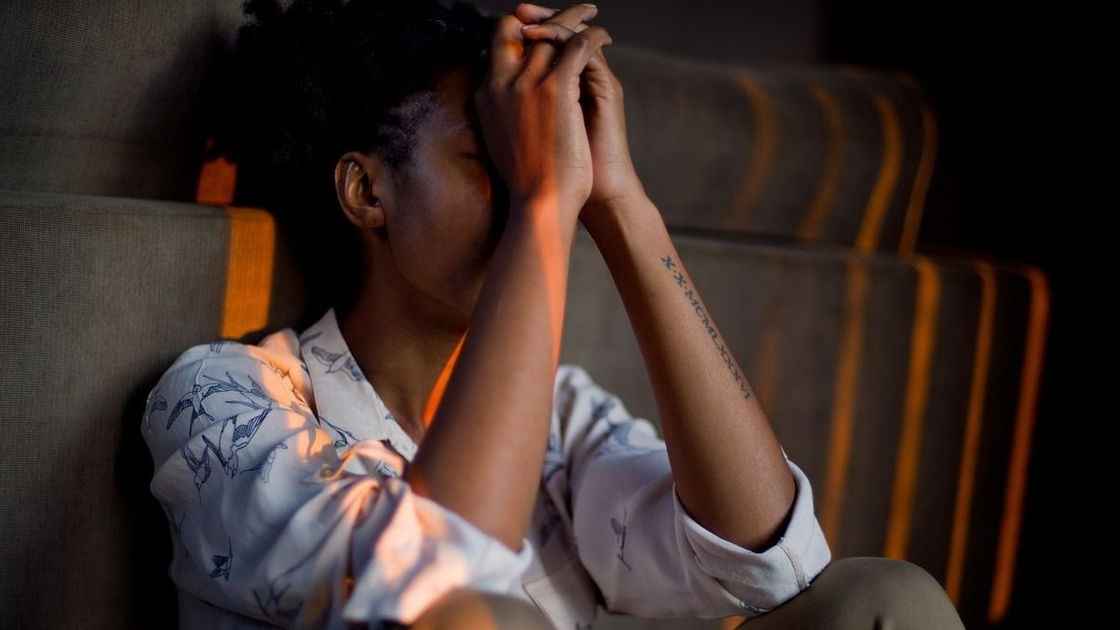
There were nights when she dreamed of death. Not loudly, not dramatically, just softly fading away. She once stood on a high hill near her village, staring down at the valley below, wondering what it would feel like to let go. She imagined the silence that would follow. The peace. No more begging, no more men, no more heroin, no more shame. But even then, something kept her from jumping. Maybe fear, or maybe a tiny voice inside her still whispering that she mattered. She didn’t believe it, but it was there.
Her story didn't end in rescue. There was no kind stranger. No safe house. No counseling. She was never pulled out of the darkness. She was never heard. Her life continued to unravel until one rainy morning, her body was found behind a roadside kiosk. Heroin had finally done what it had promised all along, it took away the pain. Permanently.
At her funeral, people cried. They spoke in hushed tones, shook their heads, and said things like "she was too young" or "what a waste." But it wasn’t the drugs that killed Annah. It was the silence. The abuse. The abandonment. The judgment. It was the world that saw her falling and chose to look away.
Annah’s story is not unique. All across Uganda, and many other places in Africa, young girls like her suffer in silence. They are abused by the people they trust. They are blamed when they break. They are called names instead of being called for help. They fall into addiction, self-harm, depression, and they disappear quietly while the world watches.
Mental health among young girls is not talked about enough. Instead of offering them help, we shame them. Instead of listening, we judge. Instead of creating safe spaces, we force them into silence. But the pain doesn’t go away. It grows, and it consumes them until nothing is left.
Annah never had to die. But the world failed her, like it fails too many girls.
My reflection:
This story is fictional, but painfully real for many. Annah represents thousands of girls who are abused, neglected, and forgotten. Girls who are blamed for their trauma. Girls whose pain is too inconvenient to acknowledge. The conversation about mental health, especially in African communities, must get louder. We must create safe spaces. We must listen without judgment. We must act before we lose another girl like Annah.
- Human Rights
- Education
- Gender-based Violence
- Youth
- Sexual and Reproductive Rights
- Global