
The Handmaid's Tale- The Fiction that Isn't
Apr 9, 2025
first-story
Seeking
Encouragement


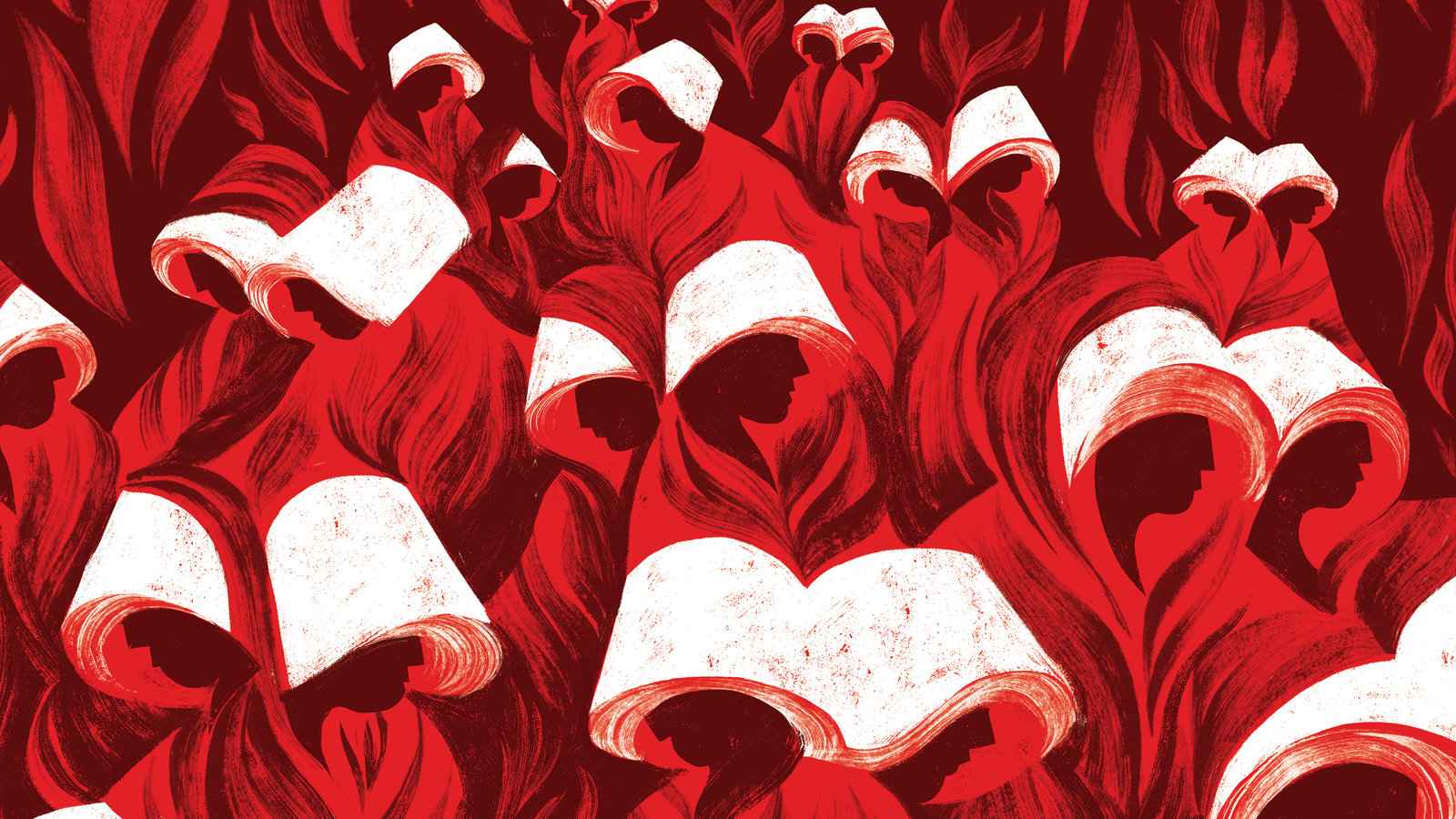
Reading has always been a great hobby of mine. I specifically enjoy realistic fiction and dystopian books. I think a lot of them have underlying messages about the different flaws in our society. Such is the case for the book The Handmaid's Tale written by Margaret Atwood, which was also adopted into a television series. The story follows a women named Offred, who lives in a dystopian society called Gilead. In this world, women have been stripped of their rights and are only values for their ability to bear children. Those who are still fertile become "handmaids," forced to carry children for the wealthy and powerful. They are not allowed to read, speak freely, or learn about their own bodies. They live in fear, under strict surveillance, and with no control over their reproductive lives.
The fictional and horridly fantastical world of Gilead is an embellished representation of the harsh realities of many young girls around the world--especially in places where reproductive health education is denied or heavily restricted. In these settings, silence replaces knowledge, and confusion often replaces confidence. Girls grow up unaware of how their bodies function, unprepared for menstruation, and unable to make informed decisions about their health. The story of Gilead may be imagined, but the consequence of keeping girls uninformed are very real. There are many other countries today where girls are forced into early marriage before they understand what sex, pregnancy, or consent even mean; much like the situation of the handmaids in the story.
But this silence isn't accidental--it's a form of control. When girls are denied information about their bodies, they're denied autonomy, dignity, and power. They become more vulnerable to exploitation, health complications, and emotional trauma. Just like the handmaids in Gilead, they are told what to do, but never to ask why. Their lives become shaped not by what they know, but from what they are kept from knowing. The story of The Handmaid's Tale reminded me that knowledge is the first step to freedom. That silence can be broken, and that education can be a form of resistance. When young people are given the tools to understand and care for their bodies, they become stronger for both themselves and their communities.
I believe it is my duty, and the duty of many other privileged young women to ensure the next generation of girls grows up informed, empowered, and unafraid. We should talk about periods, maturation and development, pregnancy, and health with honesty and without shame. Destigmatize these topics across communities. We must create a world where our peers all over the world feel ownership of their bodies and pride in their knowledge. Let's begin the conversation, start educating, and ensure silence never prevails.
- Health
- Gender-based Violence
- Girl Power
- Education
- First Story
- Africa