
The human agencies that will propel African children to an automated world
Feb 3, 2025
story
Seeking
Encouragement

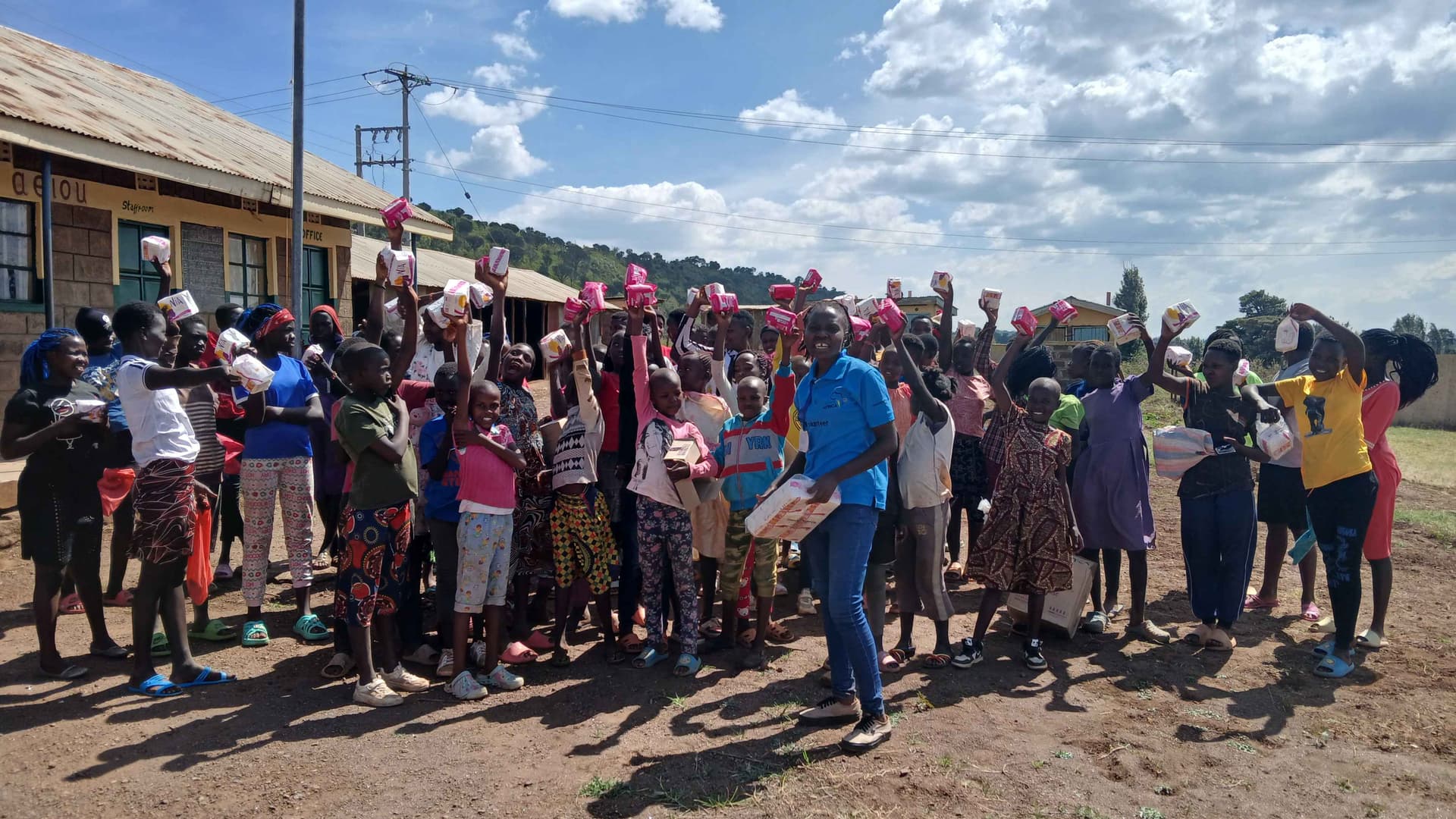
Photo Credit: Edna Chepkurui
Menstrual awareness campaign at Sigito primary school, Nakuru, Kenya
On 3 December 2018, the UN General
Assembly (UNGA) adopted Resolution 73/25 proclaiming 24 January as International Day of Education, in celebration of the role of education for
peace and development.
The right to education is enshrined in article 26 of the Universal Declaration of Human Rights. The Declaration calls
for free and compulsory elementary education. The Convention on the Rights of the Child (CRC), adopted in 1989, goes further to stipulate that countries shall make higher education accessible to all. When it adopted the 2030 Agenda for Sustainable Development in September 2015, the international community recognized that education is essential for the success of all 17 of its Goals.
SDG 4, in particular, aims to “ensure inclusive and equitable quality education and promote lifelong learning opportunities for all” by 2030.
A week later, I reflect on t his year's theme: ‘AI and Education: Human Agency in an Automated World’, as a partner in supporting education for girls. AI, has the potential to address some of the biggest challenges in education, innovate teaching and learning practices, and accelerate progress towards SDG 4. It has the potential to revolutionize teaching, learning, making it more personalized, engaging and efficient.
However, there still are major barriers that need to be overcome to make sure that children especially
in Africa enroll and remain in school up to completion of the school system. Many children and youth are still out of school due to different challenges including conflicts, economic barriers, child marriage, socio-cultural norms and lack of inclusive government policies to support accessible and affordable education for all.
Out of the 244 million children aged 6 to 18, not in school, more than 40%, or 98 million of them, live in sub-Saharan Africa, including Nigeria (20.2 million), Ethiopia (10.5), the Democratic Republic of Congo (5.9) and Kenya (1.8) (UNESCO)
Sub-Saharan Africa has the highest rates of learning poverty in the world with 9 out of 10 children unable to read and understand a simple story by the age of 10.
Nutrition
Seven in 10 children in Sub-Saharan Africa, are not benefiting from pre-primary education because they are hungry and malnourished- 90% unable to read simple texts at 10 years. Malnutrition in childhood can manifest in lower productivity and fewer livelihood options in one’s adult years.
Learners require proper nutrition to support both physical and cognitive development as well as ability to remain in school everyday for longer hours. Proper nutrition also means that the food is packed with not just calories but nutrients and micronutrients that are crucial for growth and development especially in early years. Most available foods in low and middle income households have been observed to mainly compose of grains like wheat and maize making it low in important nutrients.
School feeding programs coupled with profitable and high productive agriculture in communities are important to support nutrition for school children.
Poverty
Poverty is a significant and crosscutting driver of poor learning outcomes, with many families unable to purchase school supplies their children need to reach their full educational potential. Fewer earnings, as a result, can leave students who started in poverty trapped in it. And this cycle can endure for generations.
Today’s generation of students in low- and middle-income countries is at risk of losing about $10 trillion in future income due to low school enrollment and achievement (World Bank).
It is crucial that people are enabled to build livelihoods that earn a living income to break the cycle of poverty. Financial resources give families the freedom to prioritize education, pay for books and school fees, and provide the quantity and variety of food children need to grow and fulfill their potential — then foster the same in the next generation.
Access to digital education and tools
In 2022, African countries scored between 1.8 and five on the Digital Skills Gap Index. This is below the global average of six. About 87 percent of African business leaders identified digital literacy skills development as a focus area needing further investment.
Only 50 percent of countries in Africa have ‘computer’ skills as part of their school curriculum, compared to 85 percent of countries globally. More investment is needed to make learning of digital skills a reality. Schools need to be equipped with computers, infrastructure like power and internet together with teachers who are trained witg up to date with digital skills.
water, sanitation and hygiene
In 2020, around 387 million people still lacked a basic level of drinking water service, 737 million lacked basic sanitation services (including 197 million who practiced open defecation), and 811 million still lacked or had limited access to basic hygiene services. Around half of schools and health facilities lacked access to proper water and sanitation services (World Bank)
Poor sanitation in schools is not just an inconvenience—it’s a critical issue that directly impacts student health, attendance, and academic success.
Girls often miss school time more than boys as they are required to support water supply in their households. Halving of water fetching time increases girls’ school attendance by 2.4 percentage points on average, with stronger impacts in rural communities. Similarly, access to treated, piped water inside the home is causally linked to a higher number of completed school years in 39 African countries (World Bank)
Moreover, the lack of proper sanitation disproportionately affects girls, exacerbating gender disparities in education.
Menstrual products are not always readily available, with many unable to afford them. In sub-Saharan Africa, only 1 in 8 schools (12%) provide menstrual materials for free or for purchase. In many countries, adolescent schoolgirls do not have access to a clean toilet or other dedicated private space to change menstrual products in (WHO).
Governments and development partners need to invest more and support provision of clean water, sanitation services and affordable or free menstrual hygiene products in schools to keep learners, increase enrollment and improve learning outcomes.
As the world ushers the next industrial revolution in the form of AI, it is important that we don’t miss the
small yet very significant determinants that will either leave behind or accelerate progress towards adoption of technological advances by children and youth in developing countries. If they either drop out or never enroll in basic education, they will never have the remotest opportunity of using any kind of digital tools let alone AI or anything that will come in the future.
Partnerships in education, providing access to water, sanitation and hygiene services, digital education and fighting poverty is required now more than ever for the world to play at an equal level especially for the generations ahead.
- Education
- Girl Power
- Salud menstrual
- Digital Skills
- Sexual and Reproductive Rights
- Youth
- Global