
The Language of Conflict:Are We Healthy for Those We Love?
Nov 25, 2024
story
Seeking
Visibility

Have you ever paused to consider not just how you express love, but how you navigate conflict? What is your conflict language? Are you avoidant, defensive, direct, or dismissive? When tension rises and emotions run high, who are you? Can I feel safe with you when we’re on opposite sides of an argument? These questions reveal far more about character than love languages ever could. Because in the moments of discord, when the pressure mounts, the true essence of who we are comes to light.
Do you take responsibility for your reactions—not just for how they affect me but for how they ripple through everyone around us? Can people trust you with their truth, even when it’s difficult for you to hear? These are the questions we should ask early in our relationships, for they determine whether the spaces we share are built on safety and understanding or tension and fear.
As I reflected on this during the 16 Days of Activism Against Gender-Based Violence, one truth stood out: harm doesn’t always begin with grand, visible acts. Often, it takes root in the smallest moments of neglect, the tiniest lapses in empathy. The wounds caused by those we love the most can cut the deepest and linger the longest.
So, how do we protect ourselves? How do we shield our hearts from harm disguised as love? The journey begins with an inward gaze. Who am I when the stakes are high? When I peel back the layers, am I healthy for those around me—emotionally, physically, psychologically, and spiritually? Am I cultivating peace, or am I unintentionally planting seeds of harm in how I speak, act, or respond?
To create safe spaces in our relationships, we must begin by being honest with ourselves. Am I whole within, or are my unhealed wounds spilling into how I treat others? Violence isn’t always loud; it can be subtle, woven into everyday interactions. Even the best intentions can lead to harm if we’re not self-aware. That’s why the work must start with us—acknowledging our triggers, addressing our traumas, and committing to growth.
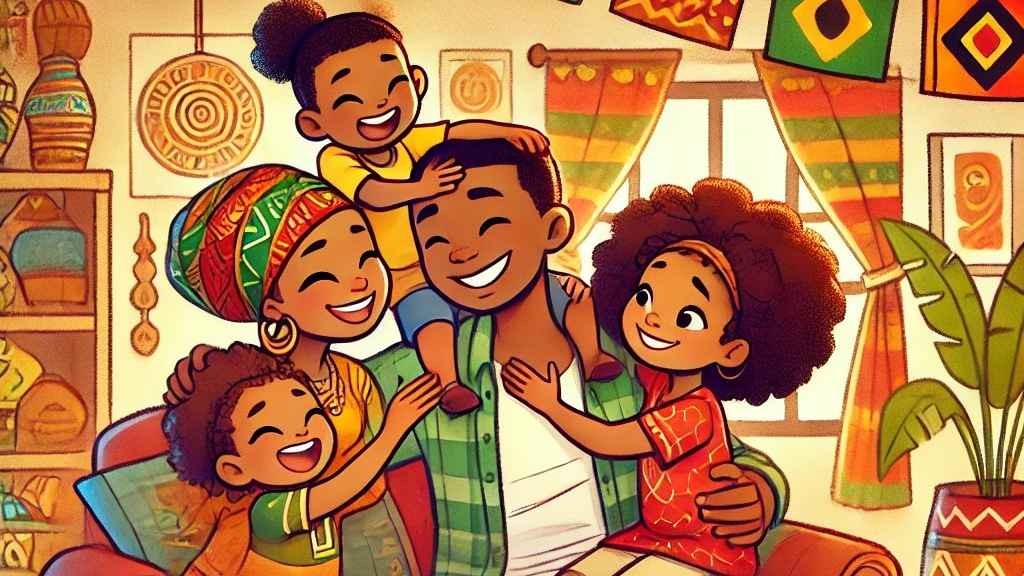
Our actions are a blueprint for those around us, especially children. They learn from what they see, not just what we say. Are we showing them how to handle disagreements with respect, patience, and kindness? Are we modeling how to resolve conflict without resorting to shouting, shame, or fear? Violence is a learned behavior, often passed down through the generations when we choose aggression over understanding.
If a child grows up in a world where the stick is the only response to mistakes, how can they learn to resolve conflict with compassion? If fear is all they know, how can they grow into adults who cultivate peace? What seeds are we planting in the hearts of those who look up to us?
True change starts with the hardest questions: Am I creating an environment where love, understanding, and respect can flourish? Am I addressing my own struggles so I don’t transfer them onto others? When we do this work within ourselves, we create the foundation for relationships and families rooted in peace.
Let’s commit to raising a generation that doesn’t see conflict as a battle to win but as an opportunity to build bridges. Let’s choose words and actions that heal instead of harm. Let’s take responsibility for the energy we bring into every interaction.
The world heals when we heal. The cycle of harm ends when we decide to break it. Together, we can create spaces where love isn’t just expressed but truly felt—even in the moments of greatest disagreement. Let’s rewrite the story of conflict, one choice, one action, one day at a time. It starts with me. It starts with you.
- Economic Power
- Gender-based Violence
- Girl Power
- #ShiftThePower
- Spirit Awards
- Revolutionary Solidarity
- Global