
The Last Aqal
Oct 22, 2024
story
Seeking
Encouragement


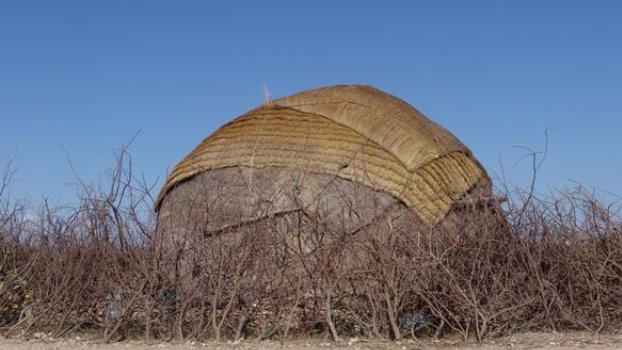
Photo Credit: Google
In a small Somali village, the last aqal stands as a beacon of heritage and community. As the elder Abdi shares timeless stories of bravery and love, he reignites the spirit of tradition among the villagers. Together, they preserve their culture and ensure that the tales of their ancestors continue to echo through generations, proving that even in the face of change, the heart of a community can thrive.
In a small Somali village nestled between the arid hills and the shimmering coastline, the sun rose over the horizon, casting a warm glow on the landscape. Amidst the village stood the last aqal, a traditional Somali shelter made of woven grass and wood, decorated with vibrant patterns that told stories of generations past. This aqal was not just a home; it was a symbol of resilience, heritage, and family unity.
The villagers often gathered around the aqal during evenings, sharing tales of old, songs of love, and laughter that echoed under the stars. It belonged to a wise elder named Abdi, who had lived there for as long as anyone could remember. He was the last of his generation, a keeper of traditions, and a storyteller whose words could transport listeners to a different time and place.
One day, as Abdi sat outside the aqal, he noticed a group of children playing nearby. They were chasing each other, laughing, and sharing stories. He smiled, remembering his own childhood spent running through the hills and listening to the elders speak of bravery, love, and the importance of their heritage.
However, as the days turned into weeks, Abdi noticed a change. The laughter of the children grew quieter, and the vibrant gatherings around the aqal became less frequent. The village, once alive with activity, was slowly succumbing to modernity. Young families began moving to the city in search of better opportunities, leaving behind their ancestral homes and the stories that came with them.
Feeling a sense of urgency, Abdi decided to take action. He gathered the remaining villagers and called for a meeting. The aqal was full that evening, with faces etched in worry and uncertainty. Abdi stood up, his voice steady yet filled with emotion.
“My dear friends,” he began, “this aqal represents our history, our identity, and the bond we share as a community. If we let it fall into silence, we risk losing not just our home, but the very essence of who we are. We must come together to preserve our traditions and ensure that our children know their roots.”
Inspired by his words, the villagers pledged to revitalize the village and the aqal. They organized storytelling nights, dance celebrations, and feasts that celebrated their culture. Abdi became the heart of these gatherings, sharing stories of heroes, wise women, and the lessons learned from their ancestors. The children listened with wide eyes, their imaginations ignited by tales of bravery and adventure.
As the months passed, the village began to thrive once more. Families returned, bringing with them their dreams and aspirations. They painted the aqal in bright colors, and the sound of laughter filled the air again. The spirit of community was rekindled, and the last aqal became a vibrant center for culture and learning.
One evening, under a blanket of stars, Abdi sat with the children around the aqal. They eagerly awaited his stories, their hearts open to the wisdom of the past. Abdi smiled, feeling a deep sense of fulfillment. The aqal had not only survived; it had become a symbol of hope and resilience for future generations.
And so, the last aqal stood proudly in the village, a testament to the power of tradition, unity, and the enduring spirit of a community that refused to let its heritage fade away. As the sun set over the horizon, casting a golden light on the aqal, the laughter of children and the warmth of storytelling filled the air, ensuring that the stories of their ancestors would live on for years to come.
- Environment
- Africa